

In Brief
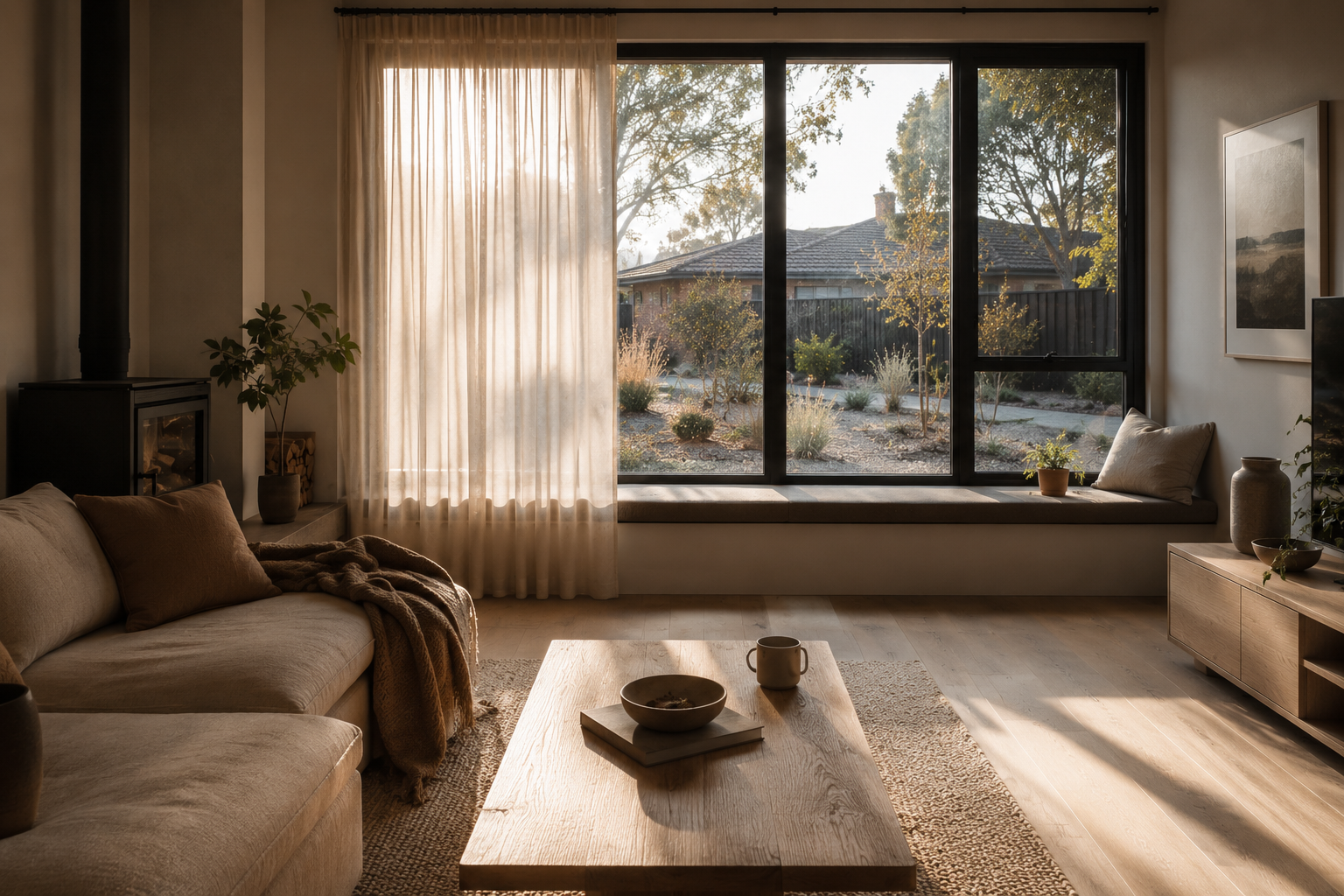
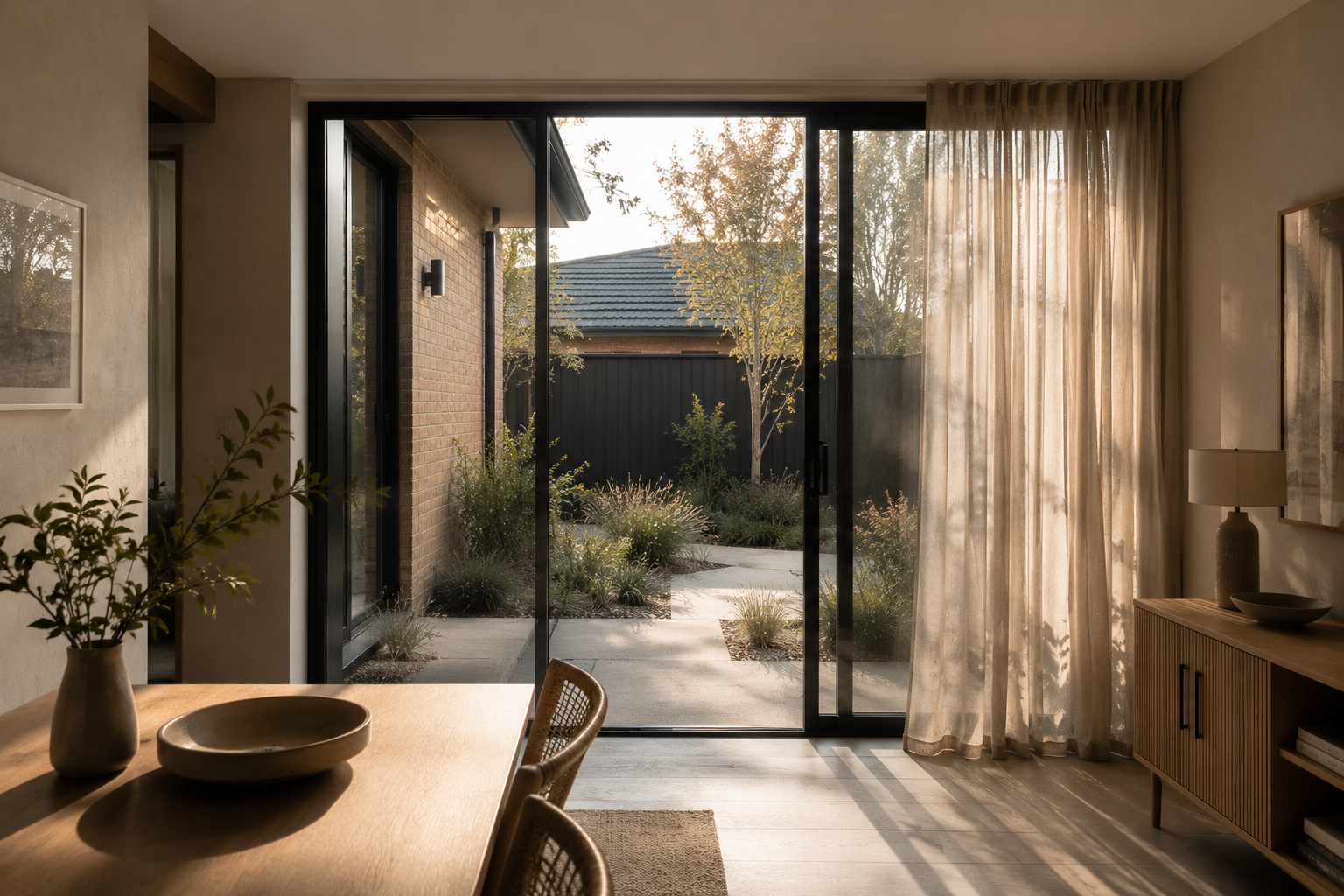
Windows and glazing affect how an existing home feels throughout the year. They can influence winter heat loss, summer heat gain, glare, draughts, daylight, privacy and how hard heating and cooling systems need to work.
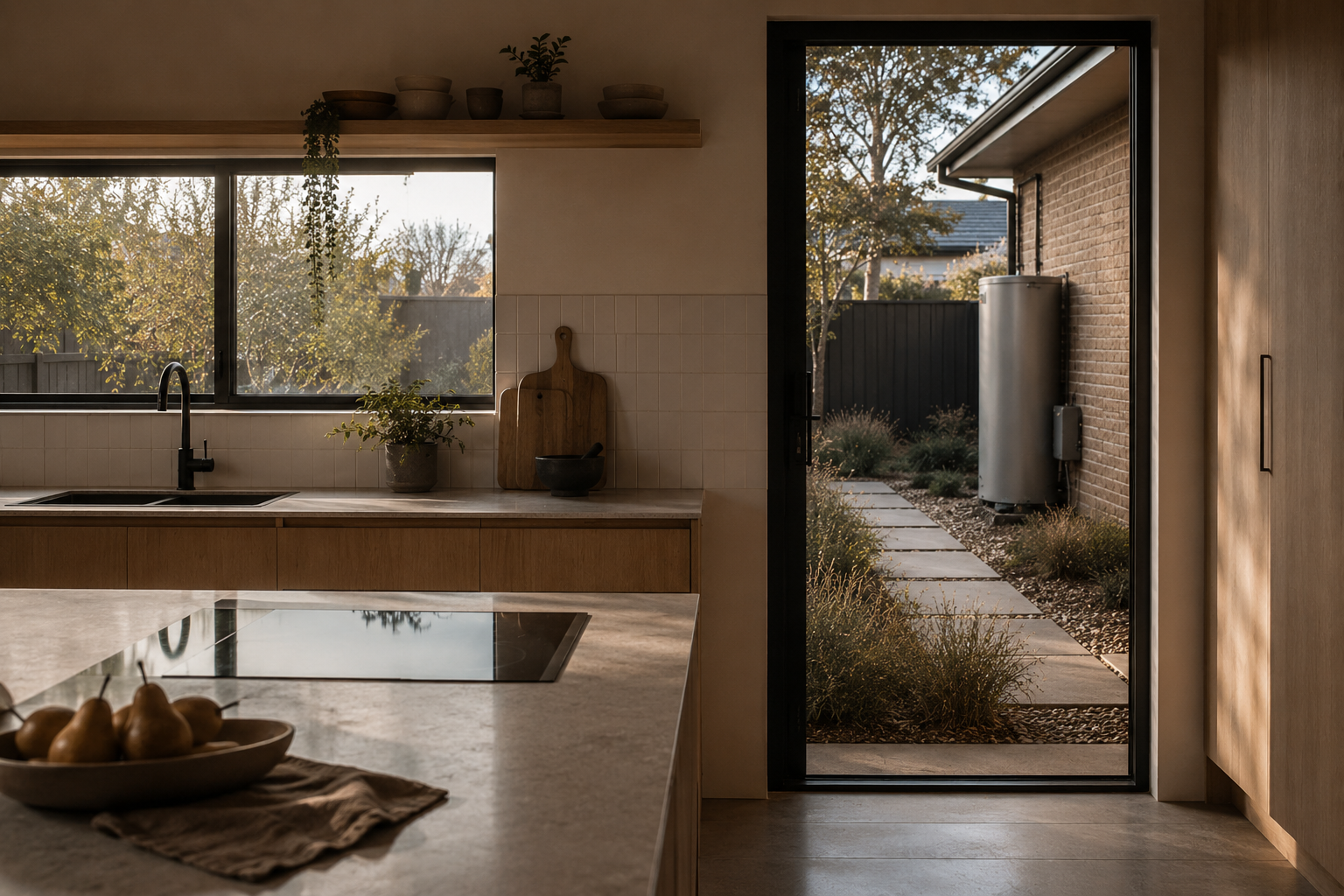
Windows and glazing affect how an existing home feels throughout the year. They can influence winter heat loss, summer heat gain, glare, draughts, daylight, privacy and how hard heating and cooling systems need to work.
Insulation affects how quickly heat moves into or out of an existing home. In winter, good insulation can help the home hold warmth for longer. In summer, it can help slow unwanted heat entering through the roof, ceiling, walls or floors.
A home that feels too hot in summer is often gaining heat faster than it can release or manage it. This may be caused by heat entering through the roof, ceiling, walls, windows, gaps, exposed paving, poor shading or a cooling system that is working harder than it should.
The Residential Efficiency Scorecard has been used in Australia to help assess the energy performance and comfort of existing homes. However, the official Scorecard program is closing on 23 June 2026 as Australia transitions toward NatHERS for existing homes and the broader Home Energy Rating framework.
Green loans and energy efficiency finance are becoming more relevant as Australian homeowners look for ways to improve existing homes. In some cases, lenders or programs may ask for evidence that a home is energy efficient, or that planned upgrades will improve household energy performance.
Improving the energy efficiency of an existing home starts with understanding how the home performs now. Before choosing upgrades, it is important to look at comfort, energy use, insulation, draughts, windows, heating, cooling, hot water, appliances and the way the home responds to the local climate.
A home that feels cold in winter is often losing heat faster than it can hold it. This may be caused by poor insulation, draughts, unsealed gaps, single glazing, exposed floors, inefficient heating or a building fabric that was never designed for strong thermal performance.
A Residential Efficiency Scorecard assessment looks at the features of an existing home that affect comfort, energy use and practical upgrade planning. It considers the home as a connected system, including the building fabric, windows, draughts, heating, cooling, hot water, lighting, appliances and opportunities for future improvements.
The Residential Efficiency Scorecard and Home Energy Rating are closely related, but they are not exactly the same thing. The Residential Efficiency Scorecard is an existing home assessment program that helps rate a home’s energy use and comfort and provides recommendations for improvement. Home Energy Rating is the newer and broader language being used as Australia moves toward a more consistent way of assessing the performance of existing homes.
A Residential Efficiency Scorecard is an assessment that helps explain how an existing home performs for energy use, comfort and practical improvement planning. It looks at the home as a whole system, including the building fabric, heating, cooling, hot water, appliances and opportunities for energy efficiency upgrades.
