Find the modelling, assessment or design-intelligence service relevant to your building, site or planning pathway.
In Brief
What does Certified Energy provide for design and planning projects?
Certified Energy supports buildings, sites and developments across four connected areas: building environment and comfort, solar access and shadow, visual and site impact, and high-performance design.
The appropriate service depends on the project stage, the environmental or planning question being investigated, the available design information and the evidence required by the architect, planner, approval authority or wider project team.
This gateway provides a starting point for identifying the relevant modelling, assessment or design-intelligence pathway. Each primary service connects to a dedicated Knowledge Hub where its purpose, process and technical requirements are explained in greater detail.
Design Intelligence Ecosystem
Environmental modelling, solar analysis, visual assessment and performance-led design help project teams understand consequences earlier and make more informed decisions before key design outcomes become fixed.
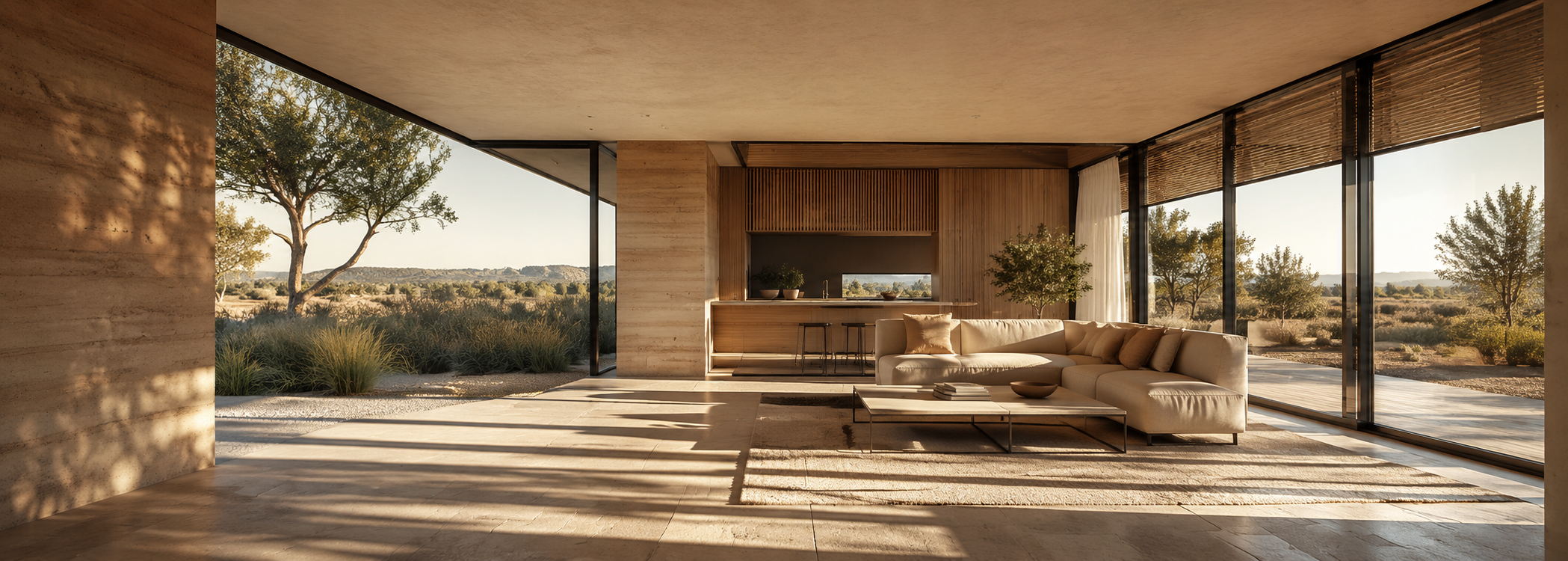
Investigate how daylight, heat, airflow, moisture and building-envelope conditions may influence occupant comfort, indoor quality and the performance of the proposed design.
Not sure which type of analysis the project needs? Daylight modelling focuses on natural light within the building. Thermal comfort modelling examines the conditions experienced by occupants. CFD modelling investigates airflow, ventilation and heat movement in greater spatial detail. Thermal bridging analysis focuses on localised heat flow through building-envelope junctions, while moisture and condensation risk analysis investigates how temperature, humidity and material assemblies may create moisture-related risks.
Solar Access & Shadow
Understand How Sunlight and Shadow Interact With the Design
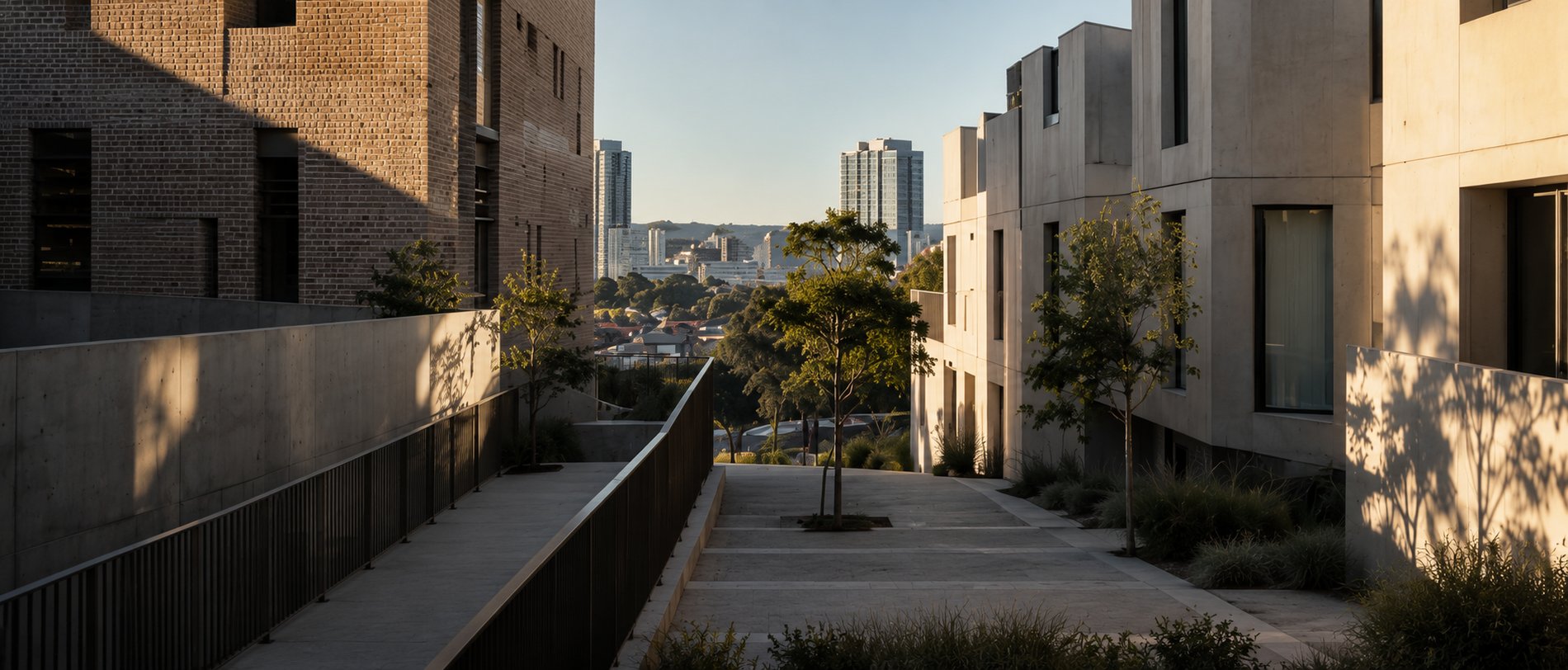
Select the relevant analysis for understanding solar access, shadow movement, surrounding obstructions and the effect of proposed built form on the site or neighbouring properties.
These services answer related but different solar questions. Shadow diagrams show where shadows fall across a site, Sun Eye Diagrams examine sunlight availability from a particular viewpoint, and broader solar-access or overshadowing analysis considers whether important spaces continue to receive the required or intended level of sunlight.
Visual & Site Impact
Choose the Analysis That Matches the Visual Question
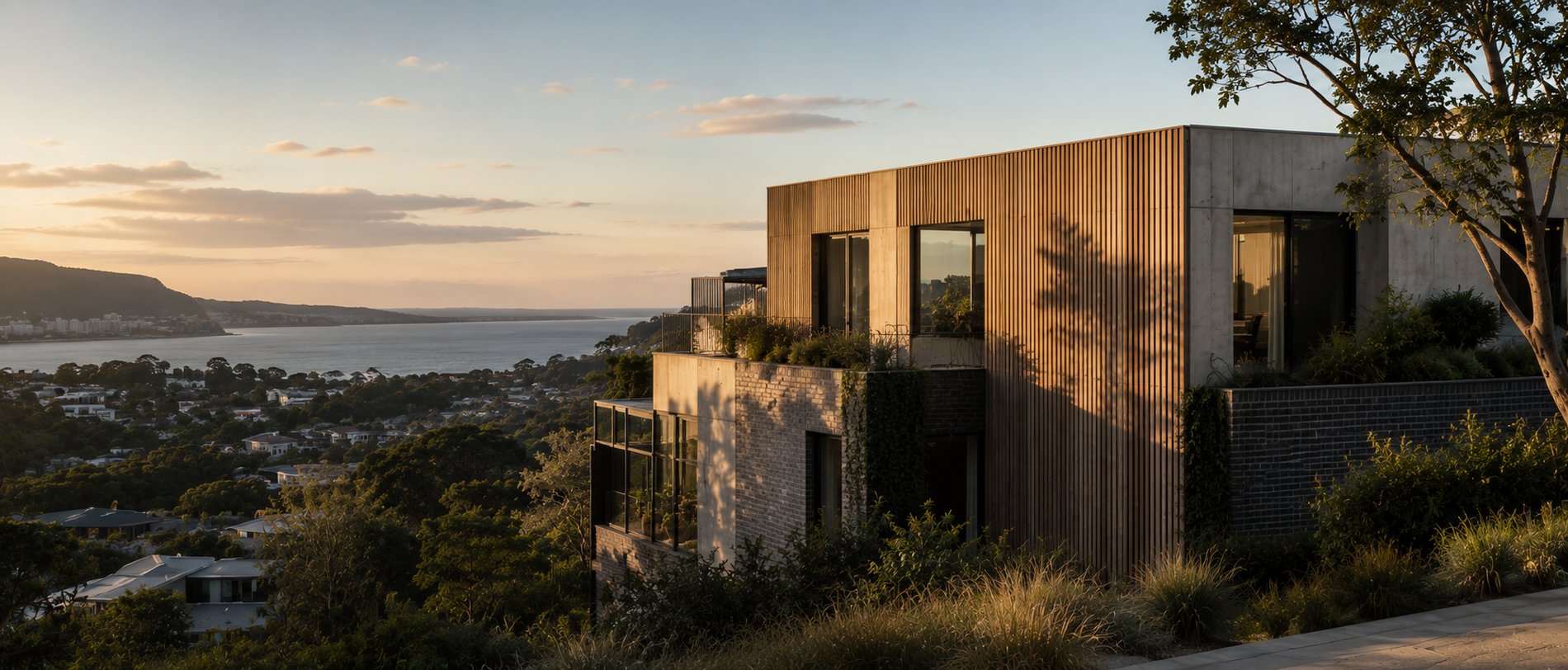
Select the relevant pathway for understanding where a development may be visible from, how it may affect views and how it relates to the surrounding landscape, skyline or built context.
Consider how proposed built form relates to ridgelines, landscape character, coastal or rural settings, established skylines and other visually sensitive contextual features.
Examine the relationship between a proposal, its site, neighbouring development, important viewpoints and the wider spatial conditions that may influence design or planning outcomes.
The appropriate analysis depends on the evidence the project needs. Viewshed Analysis identifies where a proposal may potentially be visible from, while a Visual Impact Assessment interprets what that visibility may mean for views, visual amenity, landscape character and the surrounding context.
High-Performance Design
Integrate Performance Into the Design From the Beginning
Explore design pathways that use climate response, building-envelope strategy and environmental modelling to improve comfort, efficiency and long-term building performance.
Support design decisions relating to orientation, solar exposure, shading, glazing, thermal mass, natural ventilation and the environmental conditions of the site.
Identify performance opportunities, technical constraints and potential design responses before the building form, facade and servicing strategy become difficult to change.
Combine relevant modelling methods where a project requires a more tailored investigation of comfort, energy, airflow, daylight, solar response or building-envelope performance.
These services can support different levels of performance ambition. Passive House follows a defined and rigorous methodology, while climate-responsive advice and specialised ESD modelling can be tailored to the project brief, site conditions and design questions being investigated.
Design & Planning Project Pathway
What Determines the Right Design or Planning Pathway?
The appropriate service depends on the design question, site conditions, project stage and evidence required. These factors help identify whether the project needs environmental modelling, solar analysis, visual assessment or broader performance-led design support.
01
What Question Does the Project Need to Answer?
The project may need to understand daylight, thermal comfort, airflow, solar access, overshadowing, visibility, view impact or the performance implications of an emerging design.
02
What Site and Environmental Conditions Are Relevant?
Orientation, climate, terrain, surrounding buildings, important viewpoints, landscape character and neighbouring properties can determine which form of analysis is appropriate.
03
What Project Stage Has Been Reached?
Early feasibility, concept design, development approval and detailed design support different levels of analysis. Earlier investigation generally preserves more opportunity to respond through design.
04
What Evidence or Output Is Required?
The required outcome may be a planning report, modelling study, shadow diagram, visibility analysis, comparative design test or technical evidence supporting a specific performance decision.
05
Is the Analysis Required or Design-Led?
Some assessments respond to council, planning or project-approval requirements. Others are commissioned voluntarily to improve comfort, environmental response, design quality or long-term performance.
06
Can More Than One Service Apply?
Yes. A project may combine daylight and thermal comfort modelling, shadow and visual-impact analysis, or performance-led design advice with more specialised environmental studies.
Early pathway identification helps align environmental, solar, visual and performance analysis before separate design and planning questions begin to overlap.
Frequently Asked Questions
Design & Planning Intelligence FAQs
General guidance for identifying the environmental modelling, solar analysis, visual assessment or performance-led design service that may be relevant to a building, site or planning pathway.
Which design or planning intelligence service does my project need?
The appropriate service depends on the question the project needs to answer. Daylight, thermal comfort and CFD modelling investigate environmental conditions within or around a building. Shadow Diagrams and Sun Eye Diagrams examine solar access, while Viewshed Analysis and Visual Impact Assessment address visibility, views and wider site context.
What is the difference between environmental modelling and planning analysis?
Environmental modelling generally examines how the building responds to conditions such as daylight, temperature, airflow and solar exposure. Planning analysis more commonly considers effects beyond the building, including overshadowing, visibility, view impacts, landscape character and the relationship between a proposal and its surrounding context.
Can more than one modelling or assessment service apply to the same project?
Yes. A project may combine daylight and thermal comfort modelling, use Shadow Diagrams alongside a Sun Eye Diagram, or require both Viewshed Analysis and a Visual Impact Assessment. These services answer related but different questions and can be coordinated within a broader design or planning response.
When should design and planning analysis begin?
Early investigation is generally most valuable, particularly before building form, orientation, glazing, shading, facade design and site positioning become fixed. Early analysis can reveal constraints and opportunities while the design team still has practical options for responding.
What information is useful for an initial project review?
Useful information may include the project address, site survey, architectural plans, elevations, sections, three-dimensional models and the current design stage. Planning controls, council correspondence, surrounding-building information, nominated viewpoints and a clear description of the question or required output can also help determine the appropriate scope.
Are these assessments only completed when required by council?
No. Some studies are prepared in response to council, planning or approval requirements, but others are commissioned voluntarily to test design options, improve comfort, protect solar access, understand site impacts or support a higher-performance building strategy before a formal submission is made.
Project Review
Not sure which design or planning pathway your project needs?
Send the available plans, site information and project requirements for an initial review. Certified Energy can help identify the environmental modelling, solar analysis, visual assessment or performance-led design support most relevant to the project.