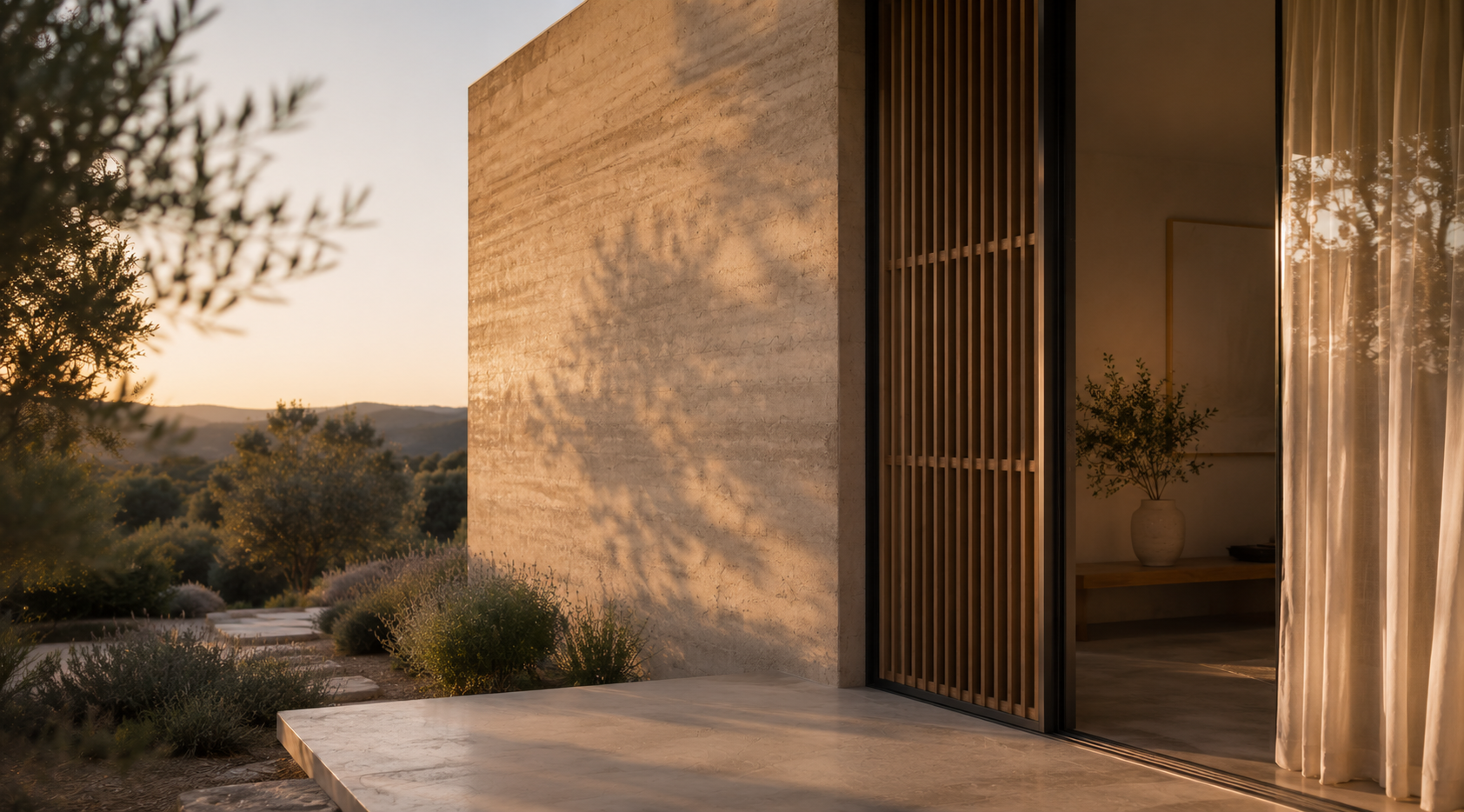
Contemporary New South Wales home representing BASIX assessment, residential sustainability requirements and energy, water and thermal performance compliance.

Residential Compliance

BASIX Certificates & Assessments NSW

Clear guidance on BASIX assessments, certificates and residential sustainability requirements for projects across New South Wales.

For homeowners, architects, building designers, builders and developers planning new homes, renovations, dual occupancies, apartments and residential developments.

Send Your Plans for Review
 

In Brief

What Is a BASIX Certificate?

A BASIX Certificate is a New South Wales residential sustainability assessment used to document water, energy and thermal-performance commitments for many residential building projects.

BASIX forms part of the NSW planning and approval framework. It is commonly required for new homes, alterations and additions, dual occupancies, townhouses, apartments and other residential developments where sustainability requirements must be addressed before approval.

The assessment can consider water efficiency, residential energy use, thermal performance, glazing, insulation, ventilation, hot-water systems and other project commitments that must align with the architectural documentation. BASIX may also connect with NatHERS and Whole of Home requirements, depending on the project type, approval pathway and applicable residential energy provisions.

When Is BASIX Required?

It is commonly required for NSW residential projects being prepared for a DA, CDC or another applicable planning and approval pathway.

What Does BASIX Assess?

Water, energy and thermal-performance commitments, including building fabric, glazing, insulation, systems and relevant design selections.

How Does BASIX Connect?

BASIX can work alongside NatHERS and Whole of Home pathways as part of an integrated NSW residential sustainability assessment.

Contemporary Australian home with deep eaves, timber screening and shaded glazing for passive solar control.


Foundation

Understanding BASIX in the NSW approval process

BASIX forms part of the NSW residential planning and approval framework. It helps demonstrate how a proposed residential development performs in relation to water efficiency, energy efficiency and thermal comfort before the project is approved for construction. Because BASIX commitments can affect plans, specifications and construction details, the assessment is best considered while the design and approval pathway are still being coordinated.


What BASIX confirms

A BASIX Certificate records the project commitments for water, energy and thermal comfort. These commitments may need to be reflected in the plans, specifications and construction documentation. Read more about BASIX fundamentals.

When BASIX is required

BASIX is generally required for new residential dwellings in NSW and may also apply to alterations, additions, dual occupancies, townhouses, apartments, swimming pools and spas. Explore BASIX requirements in NSW.

How BASIX fits approval

For many projects, BASIX documentation forms part of the Development Application or Complying Development Certificate package. Read about BASIX for DA and CDC projects.

Approval Pathways

BASIX sits where design, documentation and approval meet.

For a Development Application, the BASIX Certificate is typically prepared for lodgement with council as part of the broader DA documentation package. For a Complying Development Certificate, BASIX is usually coordinated with the CDC documentation and reviewed by the certifier as part of the approval package.

In both pathways, the BASIX Certificate should align with the architectural drawings and project specifications. If certificate commitments are missing from the plans, or if the plans show design elements that differ from the BASIX inputs, the project may require clarification or revision before approval can proceed smoothly.

Why early BASIX review matters

BASIX works best when it is treated as part of the design process rather than a final compliance step. Orientation, glazing area, shading, insulation, ventilation, roof colour, window performance and building materials can all affect the result.

Water and energy commitments can also shape the specification, including rainwater tanks, fixtures, hot water systems, photovoltaic systems, lighting and appliance assumptions. For related guidance, see how orientation affects BASIX and NatHERS results.


Process Lifecycle

From early review to BASIX Certificate issue

A typical BASIX process moves through several stages, from project review and document checking through to thermal comfort assessment, water and energy commitments, compliance adjustments, certificate issue and documentation alignment.

Step 01

Project review

The project type, location, approval pathway and available documentation are reviewed.

Step 02

Design check

Plans, elevations, sections, window details and construction systems are checked for required inputs.

Step 03

Assessment

Thermal comfort, water and energy commitments are reviewed and entered into the assessment.

Step 04

Certificate issue

Once the targets are met, the BASIX Certificate is issued for the approval documentation package.

For a deeper breakdown, see the full BASIX assessment process.


Performance Areas

BASIX evaluates water, energy and thermal comfort.

BASIX assessments evaluate residential building performance across three main areas. Water efficiency measures are intended to reduce potable water consumption. Energy efficiency requirements assess the projected energy performance of the home. Thermal comfort evaluates how the home is expected to perform across seasons and climate conditions.

For many NSW residential projects, thermal comfort is assessed using NatHERS software as part of the broader BASIX pathway.


Water efficiency

Fixtures, fittings, rainwater harvesting, landscaping, irrigation, pool and spa details may influence the water target.

Energy efficiency

Hot water, heating and cooling, lighting, ventilation, appliances and renewable energy systems can influence the energy outcome.

Thermal comfort

Orientation, glazing, shading, ventilation, insulation, construction materials and building form can all influence the thermal comfort result.

BASIX and NatHERS

BASIX and NatHERS often work together.

BASIX establishes the broader NSW sustainability requirements for residential development, while NatHERS modelling is commonly used to assess the thermal performance component of the project. Together, they help project teams understand how efficiently a home is expected to perform across different seasons, climate zones and design conditions.


BASIX Scores

Understanding BASIX scores early can help avoid late changes.

BASIX scores indicate whether a proposed residential development meets the required sustainability targets for water, energy and thermal comfort. Scores can be influenced by project type, climate zone, building orientation, glazing, shading, insulation, ventilation, appliance selections, hot water systems, water fixtures and other design inputs.

Explore BASIX scores in NSW

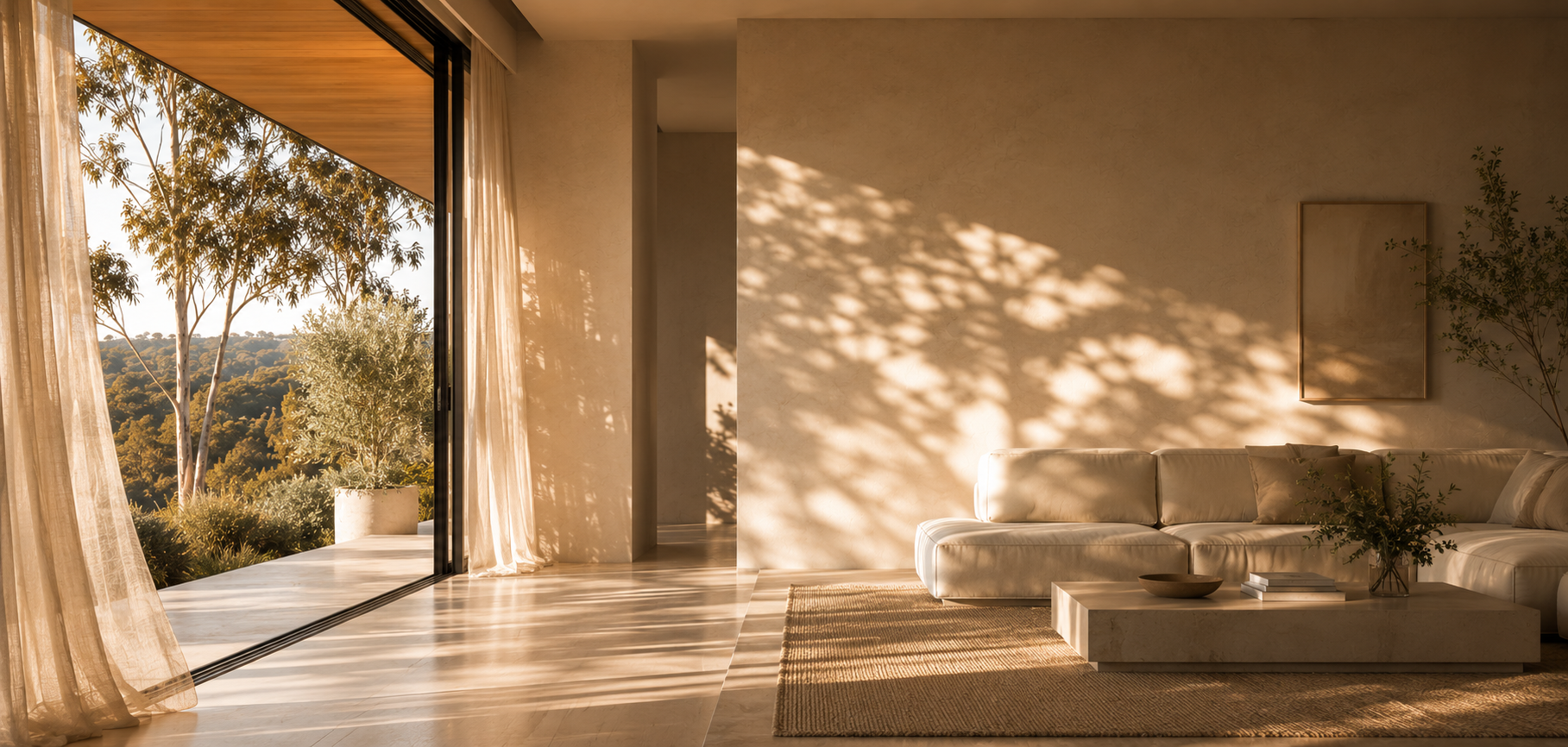
Residential living space with large operable glazing, shaded daylight and natural ventilation connection to the landscape.


What BASIX Assesses

Thermal performance, water efficiency and energy commitments all shape the BASIX outcome.

BASIX assesses how a NSW residential project responds to water use, energy use and thermal comfort. These outcomes are influenced by design decisions such as glazing, orientation, shading, insulation, ventilation, hot water systems, rainwater collection, solar panels and other specification choices. Considering these items early can help improve compliance outcomes and reduce the risk of late design changes before DA or CDC lodgement.

Thermal Comfort

How the home performs across seasons

Thermal comfort is influenced by orientation, glazing, shading, ventilation, insulation, construction materials and building form. Explore thermal comfort in BASIX.

Glazing

Windows can strongly affect BASIX results

Glazing affects heat gain, heat loss, daylight, comfort and cooling demand. Orientation, frame type, shading, U-value and SHGC can all matter. Read how glazing affects BASIX compliance.

Insulation

Building fabric affects heating and cooling demand

Roof, wall and floor insulation can influence comfort, energy demand and the thermal performance outcome. Read about BASIX insulation requirements.

Water Efficiency

Water choices form part of BASIX compliance

Fixtures, fittings, rainwater tanks, landscaping, irrigation, pools and spas may all influence the water target. Explore BASIX water systems.

Solar and Energy

Energy systems can influence the BASIX pathway

Hot water, heating and cooling, lighting, ventilation, appliances and solar PV can affect the energy outcome. Read when solar panels help BASIX.

Orientation and Passive Design

Early design decisions can improve performance

Orientation, shading, passive solar design and natural ventilation can influence comfort and performance. Read how orientation affects BASIX and NatHERS.

Design Coordination

BASIX is affected by both architecture and specification.

A BASIX outcome is not created by one item in isolation. A home with large west-facing glazing, limited shading and weak insulation may need a different compliance strategy from a compact, well-oriented home with strong building fabric and efficient systems. This is why BASIX is best reviewed while the plans and specifications can still be coordinated.

When the performance strategy is considered early, the design team has more room to resolve issues through glazing, shading, insulation, water systems, hot water, solar, appliance assumptions or other commitments before the certificate is finalised.

Australian residential terrace with deep recesses, shaded glazing and outdoor living areas supporting passive comfort.


Building Fabric and Materials

Building fabric performance can strongly influence BASIX and NatHERS outcomes.

Building fabric refers to the parts of the home that form the thermal envelope, including the roof, walls, floors, windows, insulation layers, construction systems and junctions. These elements influence how the home retains heat, reduces unwanted heat gain and responds to seasonal conditions across NSW climate zones.

Within BASIX and NatHERS assessments, building fabric performance is closely connected to glazing, insulation, shading, airtightness, passive solar response, ventilation and material selection. A stronger building fabric can often support better thermal comfort outcomes, lower heating and cooling demand and fewer late-stage compliance changes.

Key building fabric considerations

Insulation: roof, wall and floor insulation can influence comfort and heating and cooling demand.

Glazing and frames: windows affect heat gain, heat loss, daylight and seasonal comfort.

Airtightness: uncontrolled air leakage can affect comfort, energy demand and the performance of the building envelope.

Materials: construction systems and material choices can influence thermal stability, durability and long-term residential performance.

Insulation

Insulation helps stabilise the home’s thermal envelope.

Insulation performance influences how efficiently a home retains warmth during winter and reduces unwanted heat gain during summer. Read about BASIX insulation requirements.

Airtightness

Airtightness can affect comfort and energy demand.

Airtight construction can help reduce uncontrolled air leakage, but it needs to be considered alongside ventilation, moisture and overall building design. Explore airtightness and BASIX.

Materials

Materials can influence thermal stability and resilience.

Construction materials may affect thermal comfort, durability, acoustic performance, embodied energy and long-term building performance. Read about AAC and thermal performance.


Project Types

BASIX for different NSW residential project types

BASIX requirements can vary depending on the residential project type, development scale, approval pathway and available documentation. A new dwelling, an alteration or addition, a dual occupancy, a townhouse development and an apartment project may each need different information reviewed before the BASIX Certificate can be prepared.

New dwellings

New residential dwellings commonly require BASIX documentation as part of the NSW approval process. The assessment may include water, energy, thermal performance and design commitments that need to align with the plans. Read about BASIX for new dwellings.

Alterations and additions

Renovations, alterations and additions may trigger BASIX depending on the scope, value and approval pathway. Early review can help confirm what applies before drawings are finalised. Read about BASIX for alterations and additions.

Dual occupancies

Dual occupancy projects often need coordinated assessment across more than one dwelling, with attention to orientation, dwelling layout, shared site conditions and documentation consistency. Read about BASIX for dual occupancies.

Townhouses and multi dwelling housing

Townhouses and multi dwelling projects may involve repeated dwelling types, shared construction systems and more complex documentation coordination. Read about BASIX for townhouses and multi dwelling housing.

Apartments and residential flat buildings

Apartment and residential flat building projects may require closer coordination between BASIX, NatHERS, dwelling layouts, glazing, common design assumptions and documentation prepared for approval. Read about BASIX for apartments and residential flat buildings.

Granny flats and secondary dwellings

Secondary dwellings and granny flats may have different design constraints, site relationships and approval considerations from larger new home projects. Read about BASIX for granny flats and secondary dwellings.

Swimming pools and spas

Swimming pools and spas can affect BASIX requirements, especially where water use, heating, covers, pumps or related energy and water commitments need to be considered. Read about BASIX for swimming pools and spas.

Mixed use developments

Mixed use projects may need careful separation between residential BASIX requirements and other non-residential compliance pathways that apply to commercial or shared-use areas. Read about BASIX for mixed use developments.


Process and Compliance

BASIX process, documents and approval coordination

BASIX compliance involves coordination between NSW planning approvals, residential design documentation and building performance assessment. The exact process can vary depending on the project type, approval pathway, documentation quality and whether the project also requires NatHERS or related thermal comfort assessment.

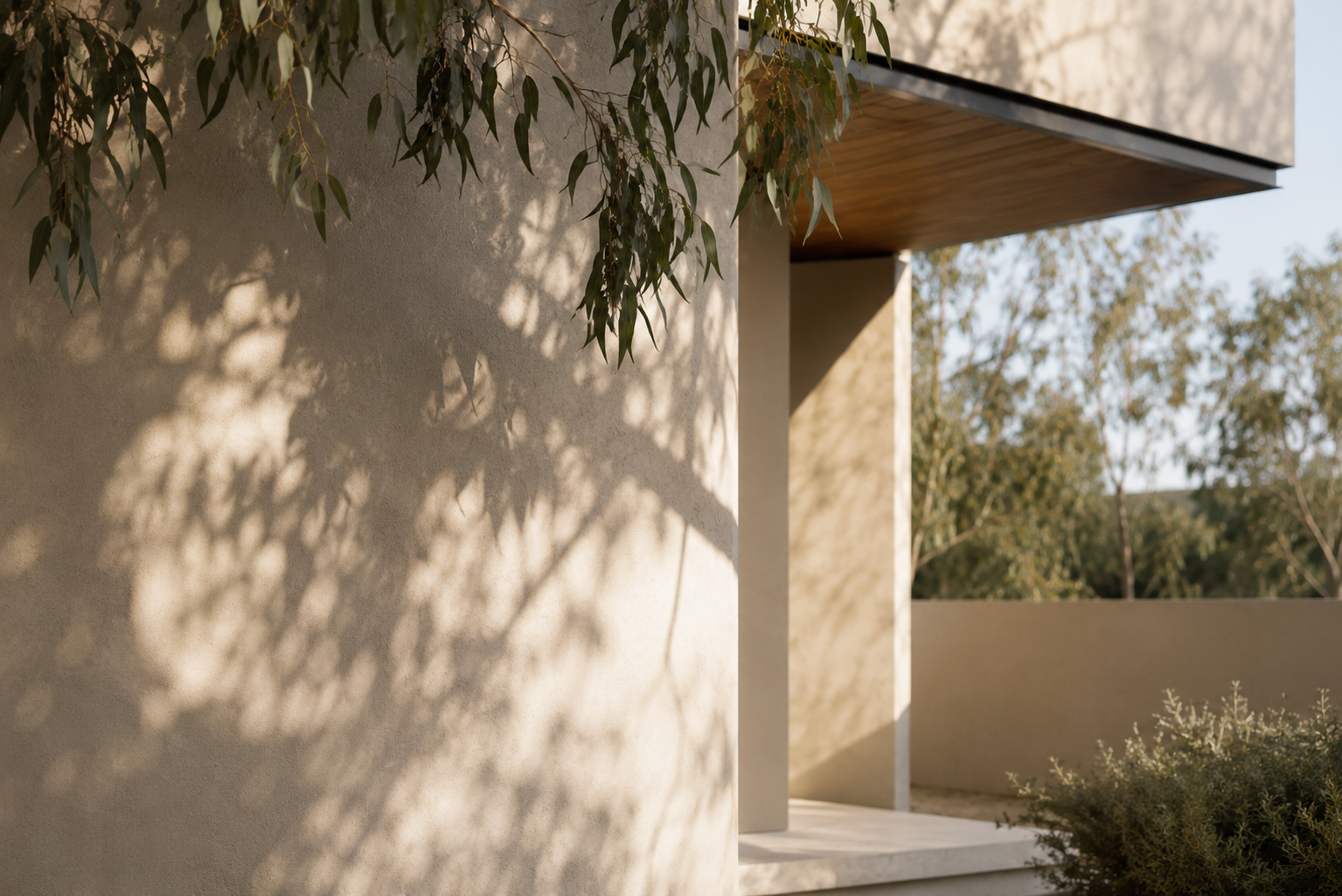
Residential façade detail with rendered walls, deep roof overhang and filtered tree shading for solar control.

BASIX should be coordinated before lodgement.

For a Development Application, BASIX documentation is usually prepared as part of the broader DA submission package. For a Complying Development Certificate, BASIX is usually coordinated with the CDC documentation and reviewed by the certifier as part of the approval pathway.

In both cases, the BASIX Certificate should align with the plans and specifications. If certificate commitments are missing from the drawings, or if the plans differ from the BASIX inputs, the project may require clarification, updates or design changes before approval can proceed smoothly.


BASIX in the DA and CDC process

BASIX may be required for Development Application or Complying Development Certificate submissions, depending on the project type and approval pathway. Because DA and CDC pathways are reviewed differently, documentation consistency is important. Read about BASIX for DA and CDC projects.

BASIX timeframes

BASIX timeframes can vary depending on project scale, design complexity, documentation quality and whether the assessment identifies items that need clarification. Projects involving thermal comfort modelling, extensive glazing review or multiple design revisions may require additional time before the certificate can be issued. Read how long a BASIX Certificate usually takes.

Common BASIX issues

Common BASIX issues can include incomplete documentation, glazing performance conflicts, insulation assumptions, inconsistent plans, unclear specifications and late-stage design changes. Many issues are easier to resolve when BASIX is considered before the approval documentation is finalised. Read about common BASIX mistakes that delay approval.

BASIX documentation

BASIX documentation may require architectural plans, elevations, sections, project details, glazing information, insulation assumptions, NatHERS inputs and supporting specification details. Clear documentation helps improve assessment accuracy and reduce unnecessary back and forth. Read what documents are needed for a BASIX Certificate.

BASIX changes and amendments

If a design changes after the BASIX Certificate is prepared, the certificate may need to be amended so the commitments remain consistent with the updated plans. This is especially important where changes affect glazing, insulation, hot water, rainwater, solar or other BASIX inputs. Read whether a BASIX Certificate can be amended.

Plans and BASIX commitments should match

The BASIX Certificate should not sit separately from the design documentation. Certificate commitments may need to appear in the plans, schedules or specifications so the approved documentation remains consistent. Read whether your BASIX Certificate needs to match your plans.

BASIX consultants

BASIX consultants assist with residential sustainability assessment, NatHERS coordination, thermal comfort pathways, documentation review and certificate preparation. Consultant involvement early in the design process can help improve coordination between planning requirements, performance targets and documentation outcomes.

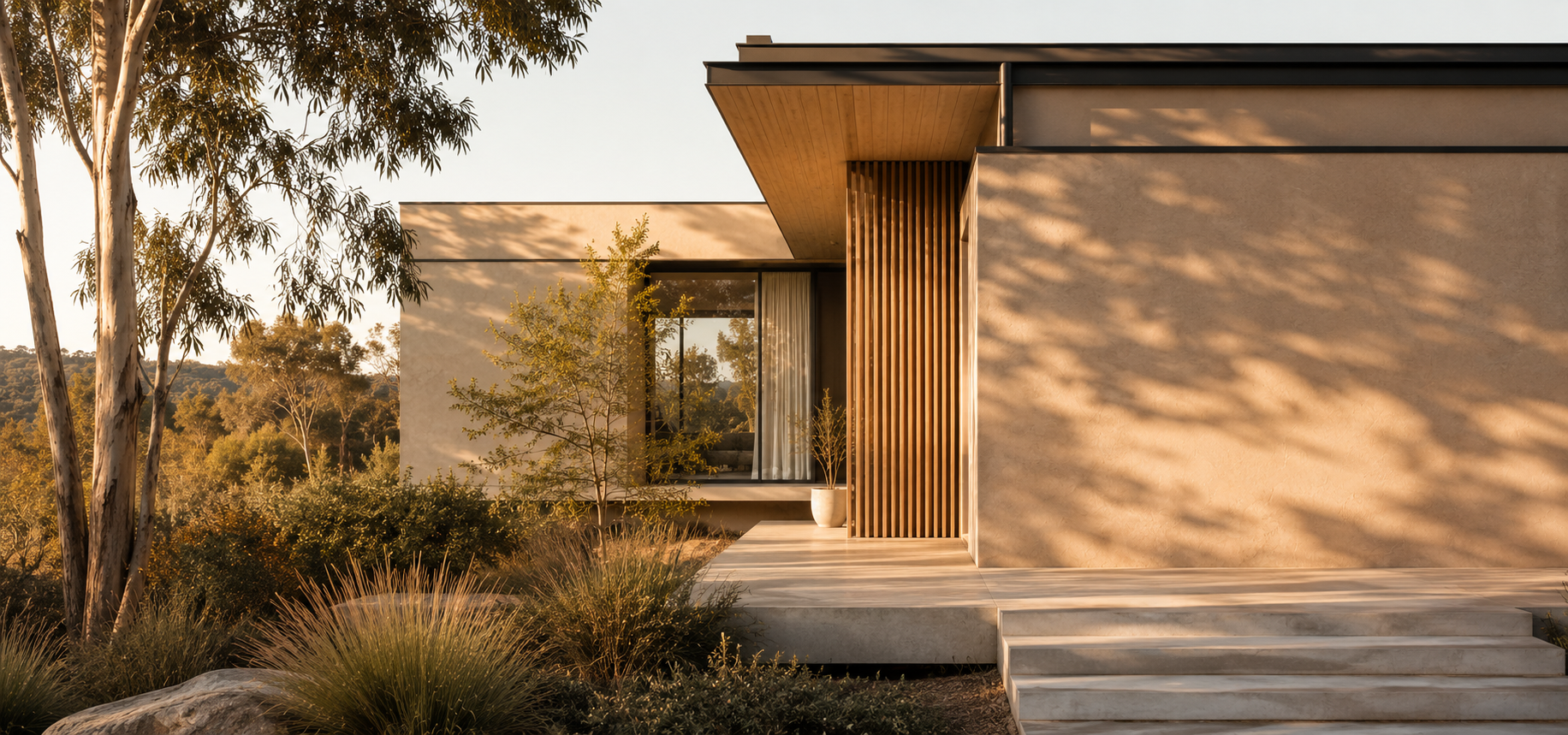
Contemporary residential exterior with timber screening, solid thermal mass walls and shaded openings.


Advanced Guidance

Design strategy and future residential performance

High-performing residential design involves more than meeting the minimum BASIX targets. Orientation, passive solar response, glazing strategy, climate responsiveness and long-term building performance planning can all influence how a home performs across changing NSW climate conditions. When these design decisions are considered early, BASIX can become part of a stronger residential performance strategy rather than a late compliance task.

Passive solar design

Passive solar design can help improve thermal comfort and reduce long-term heating and cooling demand. Orientation, glazing placement, shading systems and thermal mass can all influence how effectively a home responds to seasonal solar conditions. Explore passive solar design and BASIX.

Design optimisation

When a project is not meeting BASIX targets, design adjustments may be needed across areas such as glazing, insulation, shading, ventilation, orientation, water systems or hot water. Small decisions made early often have the greatest effect on compliance, comfort and energy performance. Explore BASIX design optimisation.

Climate responsive design

Climate responsive design considers how a home performs across different NSW climate zones, seasonal conditions and long-term environmental changes. Shading, ventilation, material selection, glazing performance and building form can all influence comfort, energy demand and future resilience. Explore climate responsive home design.

Future BASIX and building performance expectations

Residential sustainability standards and energy performance expectations continue to evolve across Australia. Future requirements may increasingly focus on operational energy, thermal comfort, electrification, climate resilience and whole-home performance. Explore future BASIX and building performance trends.

Residential doorway with timber screening, textured wall finish and controlled afternoon sunlight.


Frequently Asked Questions

BASIX Certificate FAQs

When is a BASIX Certificate required in NSW?

BASIX Certificates are commonly required for new homes, alterations and additions, duplexes and many residential developments submitted through the NSW planning approval system. The exact requirement depends on the project type, approval pathway and scope of works. Read more about when BASIX is required in NSW.

What does a BASIX assessment include?

A BASIX assessment typically reviews thermal comfort, glazing performance, insulation, water efficiency, energy efficiency and other residential sustainability measures relevant to the project and NSW climate zone.

How long does a BASIX Certificate take?

Timeframes vary depending on the project complexity, documentation quality and whether design revisions are required during the assessment process. Straightforward residential projects are generally faster to complete. Read more about BASIX Certificate timeframes.

Can a BASIX Certificate be updated after design changes?

Yes. Changes to glazing, insulation, orientation, floor area, materials, hot water systems, rainwater tanks or building layout may require the BASIX Certificate to be updated before approval or construction. Read more about BASIX Certificate amendments.

What affects BASIX scores?

BASIX scores can be influenced by orientation, glazing size and performance, insulation levels, shading, ventilation, building materials, water fixtures, hot water systems and the overall design response to the local NSW climate zone.

What is the difference between BASIX and NatHERS?

BASIX is the broader NSW residential sustainability framework, while NatHERS focuses specifically on thermal comfort performance through accredited energy modelling and star ratings. Read more about BASIX vs NatHERS.

Do renovations require a BASIX assessment?

Many alterations and additions in NSW require BASIX compliance, particularly where the works affect the building envelope, glazing, floor area or thermal performance of the home. Read more about BASIX for alterations and additions.

Can poor orientation affect BASIX compliance?

Yes. Building orientation can significantly influence solar heat gain, thermal comfort and glazing performance, which may affect how easily a project achieves BASIX targets.

What documents are needed for a BASIX assessment?

Typical BASIX documentation includes architectural plans, elevations, sections, window schedules and information relating to insulation, construction materials and building specifications. Read more about BASIX document requirements.

What happens if a project does not meet BASIX targets?

If a project does not initially satisfy BASIX requirements, adjustments may be required to glazing, insulation, shading, ventilation, materials, water systems or other design elements to improve overall performance. Read more about what happens if a project fails BASIX.


Related BASIX Guides

Explore BASIX in the wider residential performance ecosystem

These related guides expand on the most common BASIX questions, including how BASIX compares with other pathways, how design decisions affect performance and how project teams can prepare better documentation before approval.

Project Review

Confirm the right BASIX pathway before moving into approval

Send the available plans, elevations, sections and project details for an initial review. Certified Energy can help determine how BASIX applies to your new home, alteration or addition, dual occupancy, apartment project or multi-dwelling development in New South Wales.

Early review can clarify the likely assessment pathway, identify the information needed and coordinate BASIX, NatHERS and thermal performance requirements before the project progresses further through DA, CDC or construction documentation.

Last reviewed: June 2026. This page is maintained by Certified Energy as part of its Residential Performance Knowledge Hub.