

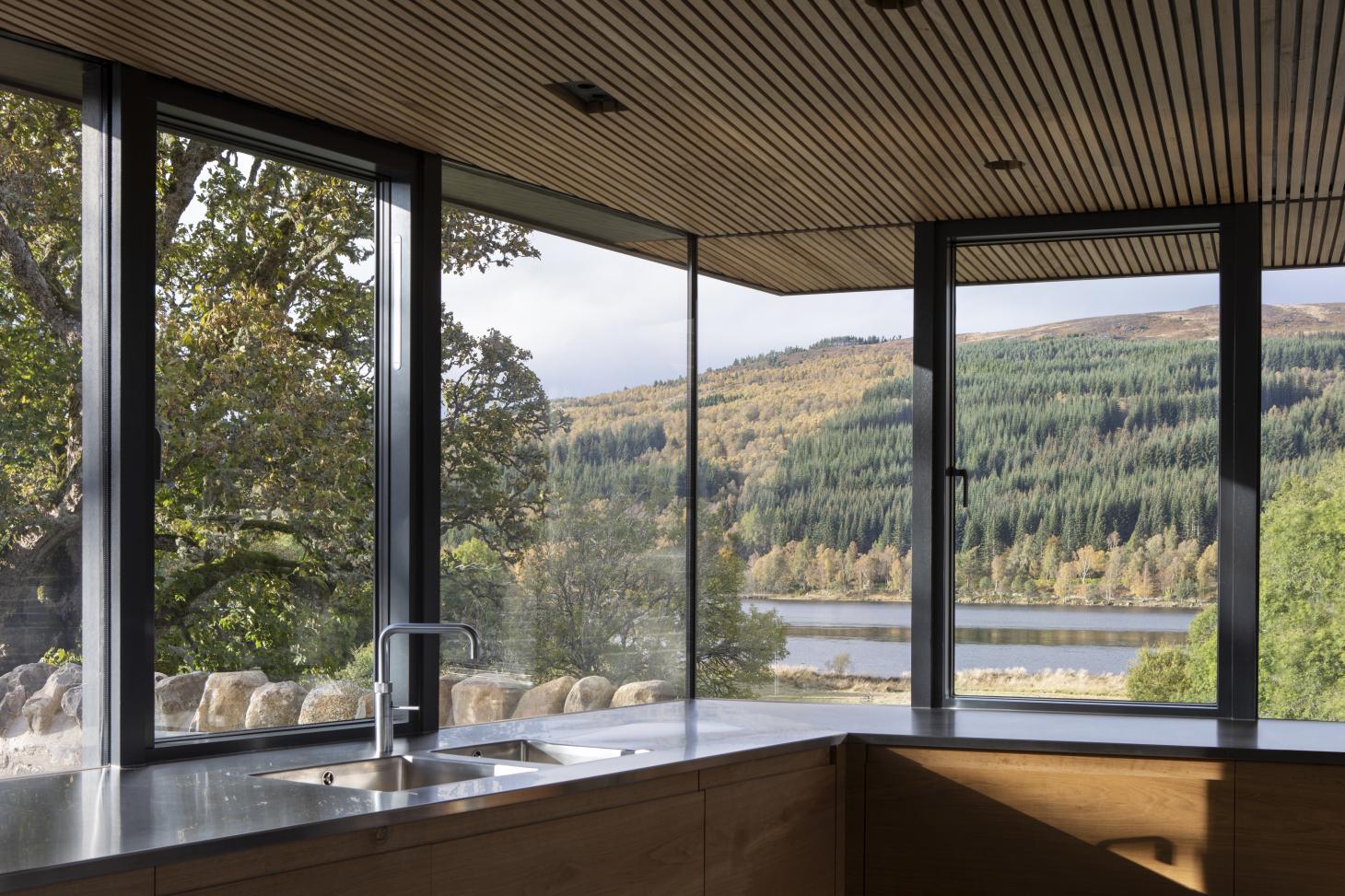
Common BASIX Issues in NSW
BASIX assessments form part of the residential approval process in New South Wales and are intended to improve water efficiency, thermal comfort and overall building performance.
While many projects achieve compliance without major issues, BASIX problems can still arise during the planning, design and approval stages. These issues often lead to redesigns, delays during Development Application (DA) submission, additional construction costs or changes to materials and glazing specifications later in the project.
Understanding the most common BASIX compliance issues early can help streamline approvals and improve overall building performance outcomes.
Why BASIX Issues Occur
BASIX assessments evaluate multiple aspects of residential design simultaneously. This includes:
- glazing performance
- orientation
- insulation
- shading
- ventilation
- building materials
- water efficiency
- appliance selections
Small changes in one area can sometimes influence compliance outcomes in another. For example, increasing glazing sizes may improve daylight but negatively impact thermal comfort performance if shading or orientation is not carefully considered.
Many BASIX issues occur when sustainability assessments are completed too late in the design process, after major architectural decisions have already been finalised.
Common BASIX Compliance Problems
Failing Thermal Comfort Targets
One of the most common BASIX issues involves failing thermal comfort requirements.
Thermal comfort assessments evaluate how effectively a home maintains comfortable indoor temperatures throughout the year while reducing the need for mechanical heating and cooling.
Projects may struggle to achieve compliance due to:
- excessive west-facing glazing
- poor orientation
- limited shading
- insufficient insulation
- large areas of unprotected glass
- unsuitable building materials
In many cases, relatively small design adjustments can significantly improve thermal performance outcomes.
Incorrect Glazing Specifications
Glazing performance plays a major role in BASIX and NatHERS assessments.
Incorrect or incomplete glazing information is a common source of compliance problems during both assessment and construction stages.
This may include:
- incorrect SHGC values
- missing U-value information
- unverified supplier data
- glazing substitutions after approval
- frame type inconsistencies
Changing glazing specifications after the BASIX certificate has been completed can sometimes require reassessment or updated documentation.
Early coordination between suppliers, designers and BASIX consultants can help reduce these risks.
Poor Orientation and Solar Access
Building orientation significantly affects thermal comfort and energy efficiency performance.
Homes with poor solar orientation may experience:
- excessive summer heat gain
- reduced winter solar access
- increased heating and cooling demand
- lower thermal comfort performance
Passive solar design principles are often used to improve BASIX outcomes by balancing sunlight, shading and ventilation throughout the year.
This can include:
- northern solar access
- external shading
- window placement
- cross ventilation
- thermal mass strategies
Early-stage planning decisions usually have the greatest influence on these outcomes.
Incomplete or Inconsistent Documentation
Another common issue involves inconsistencies between architectural plans and BASIX documentation.
Examples may include:
- different window schedules
- incorrect floor areas
- missing insulation details
- outdated plans
- uncoordinated revisions between consultants
These inconsistencies can create delays during DA assessment or require updated BASIX certificates before approval can proceed.
Maintaining coordinated documentation throughout the project can help minimise approval delays.
Changes After BASIX Completion
Projects often evolve during the design or construction process. However, changes made after BASIX completion can sometimes affect compliance requirements.
This may include changes to:
- glazing systems
- insulation
- floor layouts
- window sizes
- roofing materials
- appliance selections
- hot water systems
In some situations, even relatively minor design changes may require reassessment.
Reviewing proposed design modifications before construction changes are finalised can help avoid unexpected compliance issues later in the project.
DIY BASIX Assessment Mistakes
The NSW Planning Portal allows homeowners to complete BASIX assessments themselves for certain projects.
While this may appear straightforward, DIY assessments can sometimes lead to incorrect assumptions or inaccurate data entry.
Common issues include:
- incorrect material selections
- unrealistic insulation assumptions
- glazing performance errors
- inaccurate floor areas
- misunderstanding thermal comfort requirements
These mistakes can result in failed assessments, redesigns or approval delays.
For more complex projects, professional guidance can often simplify the process and improve compliance outcomes.
How to Avoid BASIX Problems
Begin Assessments Early
Early-stage BASIX assessments often provide the greatest flexibility during the design process.
Completing assessments before architectural plans are fully finalised can help reduce redesign costs and improve overall project efficiency.
Coordinate Consultants and Designers
BASIX performance is closely connected to architectural design decisions.
Collaboration between:
- architects
- building designers
- BASIX consultants
- NatHERS assessors
- glazing suppliers
can help identify issues before documentation is submitted for approval.
Confirm Glazing Performance Early
Because glazing significantly affects thermal comfort outcomes, confirming window specifications early in the project is highly recommended.
This includes verifying:
- SHGC values
- U-values
- frame types
- glazing systems
- supplier documentation
Understand the Relationship Between BASIX and NatHERS
Many residential projects use NatHERS modelling to support thermal comfort compliance within BASIX.
Understanding how orientation, glazing, insulation and shading influence NatHERS performance can help improve BASIX outcomes overall.
When to Speak with a BASIX Consultant
Professional guidance may be particularly valuable when:
- projects contain large glazing areas
- passive solar design is being used
- thermal comfort targets are difficult to achieve
- multi-dwelling developments are involved
- approvals are time-sensitive
- documentation coordination becomes complex
Early advice can often help prevent unnecessary redesigns and streamline the approval process.
Conclusion
BASIX compliance issues are often connected to thermal comfort performance, glazing specifications, documentation coordination and late-stage design changes.
Many of these challenges can be reduced through early planning, coordinated documentation and a clear understanding of how design decisions influence residential building performance.
Whether completing a new home, renovation or multi-dwelling project in NSW, early consideration of BASIX requirements can help improve approval efficiency, reduce redesign risks and support better long-term building outcomes.