01 · Foundation




Residential Compliance
Clear guidance on the Deemed-to-Satisfy residential energy compliance pathway under the National Construction Code.
For homeowners, architects, building designers and builders assessing glazing, insulation, climate zones and building fabric requirements for Australian residential projects.
Send Your Plans for ReviewIn Brief
A Deemed-to-Satisfy, or DTS, assessment reviews whether a residential design follows the applicable prescribed energy-efficiency provisions of the National Construction Code. Depending on the project and pathway, these provisions may relate to insulation, glazing, shading, building sealing, ventilation and other elements of the building fabric.
The elemental DTS provisions provide established construction requirements that may be followed to demonstrate compliance without developing a separate Performance Solution. The appropriate residential pathway may involve elemental provisions, a NatHERS energy-rating pathway or another recognised compliance method, depending on the project, jurisdiction and applicable NCC requirements.
The suitability of an elemental DTS approach depends on factors such as climate zone, glazing design, orientation, shading, insulation strategy and overall building complexity. Straightforward residential forms may align readily with prescribed provisions, while more complex designs may be better suited to modelling-based or alternative compliance pathways.
It may be used where a residential project can demonstrate NCC energy-efficiency compliance by following the applicable prescribed elemental provisions.
Insulation, glazing, shading, building sealing, ventilation and other construction details addressed by the relevant NCC provisions.
Elemental DTS provisions check prescribed construction requirements, while modelling-based pathways assess the dwelling through calculated energy performance.
DTS Knowledge Hub
Use the sections below to understand the elemental Deemed-to-Satisfy provisions, how they sit within the NCC compliance framework and the practical considerations that may affect a residential project.
01 · Foundation
02 · Compliance Pathways
03 · Building Fabric
04 · Project Types
05 · Practical Questions
Foundation
DTS stands for Deemed-to-Satisfy. It describes provisions within the National Construction Code that may be followed to demonstrate that a residential building satisfies the applicable minimum energy-efficiency requirements.
The Prescriptive Route
The elemental DTS provisions follow prescribed construction requirements set out within the NCC. These may address insulation, glazing, building sealing, roof and wall construction, ventilation and other parts of the building fabric that influence residential energy efficiency.
Compliance Logic
An elemental DTS assessment checks whether the design follows the relevant prescribed provisions rather than developing a separate Performance Solution.
Assessment Outcome
Where the applicable provisions are satisfied, the design can be documented as complying with the relevant elemental energy-efficiency requirements.
Project Suitability
Suitability can depend on design complexity, glazing ratios, orientation, climate zone and the applicable residential compliance framework.
The NCC provides more than one way to demonstrate residential energy-efficiency compliance. Depending on the project, the appropriate pathway may involve elemental DTS provisions, a NatHERS energy-rating pathway, a verification method or another recognised compliance approach.
Elemental DTS assessments may be suitable for new homes, duplexes, alterations and additions, and some multi-residential developments where the prescribed provisions can be applied directly. More complex designs may require a different pathway that can account for the building as an integrated design.
Assessment Process
The NCC contains Deemed-to-Satisfy provisions that set prescribed minimum requirements for residential energy efficiency. An elemental DTS assessment reviews the proposed design against the provisions that apply to the project and identifies whether the nominated building elements comply.
Building Fabric
Required insulation levels for roofs, ceilings, walls and floors, based on the applicable construction and climate conditions.
Openings
Window area, glazing performance, frame characteristics, orientation and other requirements addressed by the relevant provisions.
Air Movement
Building sealing, exhaust systems, ventilation openings and other details that affect air leakage and internal environmental conditions.
External Elements
Roof colour, solar absorptance, wall systems, external materials and related construction details where addressed by the NCC.
Location
The applicable NCC climate zone influences which elemental provisions and minimum construction requirements apply to the project.
Solar Response
Eaves, external shading devices and other design elements may form part of the assessment where relevant to the prescribed provisions.
Where the design satisfies the applicable elemental provisions, compliance can be documented through the prescribed DTS route. Where the provisions cannot be applied directly, the project may need to use another recognised NCC pathway or a Performance Solution.
Pathway Comparison
Elemental DTS provisions offer a prescribed route where the design can satisfy the applicable NCC requirements directly. A Performance Solution uses an alternative approach to demonstrate that the relevant Performance Requirements have been met.
Prescribed Compliance
The design follows the applicable construction requirements set out in the NCC. This can suit projects where insulation, glazing, sealing and other building elements can be documented against the prescribed provisions.
Best suited to designs that can align directly with the relevant elemental requirements.
Alternative Demonstration
A Performance Solution demonstrates compliance with the relevant NCC Performance Requirements using suitable assessment methods, supporting evidence and documented reasoning.
May be appropriate where a design cannot satisfy the prescribed provisions directly or requires greater design flexibility.
NatHERS should not automatically be described as a Performance Solution. It is a software-based energy-rating pathway that may be used within the broader NCC Deemed-to-Satisfy framework, depending on the applicable building classification and compliance requirements.
VURB is a verification method based on comparison with a reference building and may be used where that alternative assessment approach is appropriate. The preferred pathway depends on the project, jurisdiction, design complexity, available documentation and applicable NCC requirements.
Explore the relationship between DTS and NatHERS, or continue to building performance requirements.
Foundation
An elemental DTS assessment may be used when a residential project needs to demonstrate compliance with the applicable energy-efficiency provisions of the National Construction Code by following the prescribed Deemed-to-Satisfy requirements.
Most new residential building work must address the applicable NCC energy-efficiency requirements as part of the building approval process. The elemental DTS route provides one way to demonstrate compliance where the proposed construction can satisfy the relevant prescribed provisions directly.
Whether this pathway is appropriate depends on the building classification, project scope, climate zone, design characteristics, jurisdiction and documentation required by the relevant approval authority.
Projects That May Use Elemental DTS
Residential Construction
Detached houses where the proposed building fabric can be documented against the applicable prescribed provisions.
Multiple Dwellings
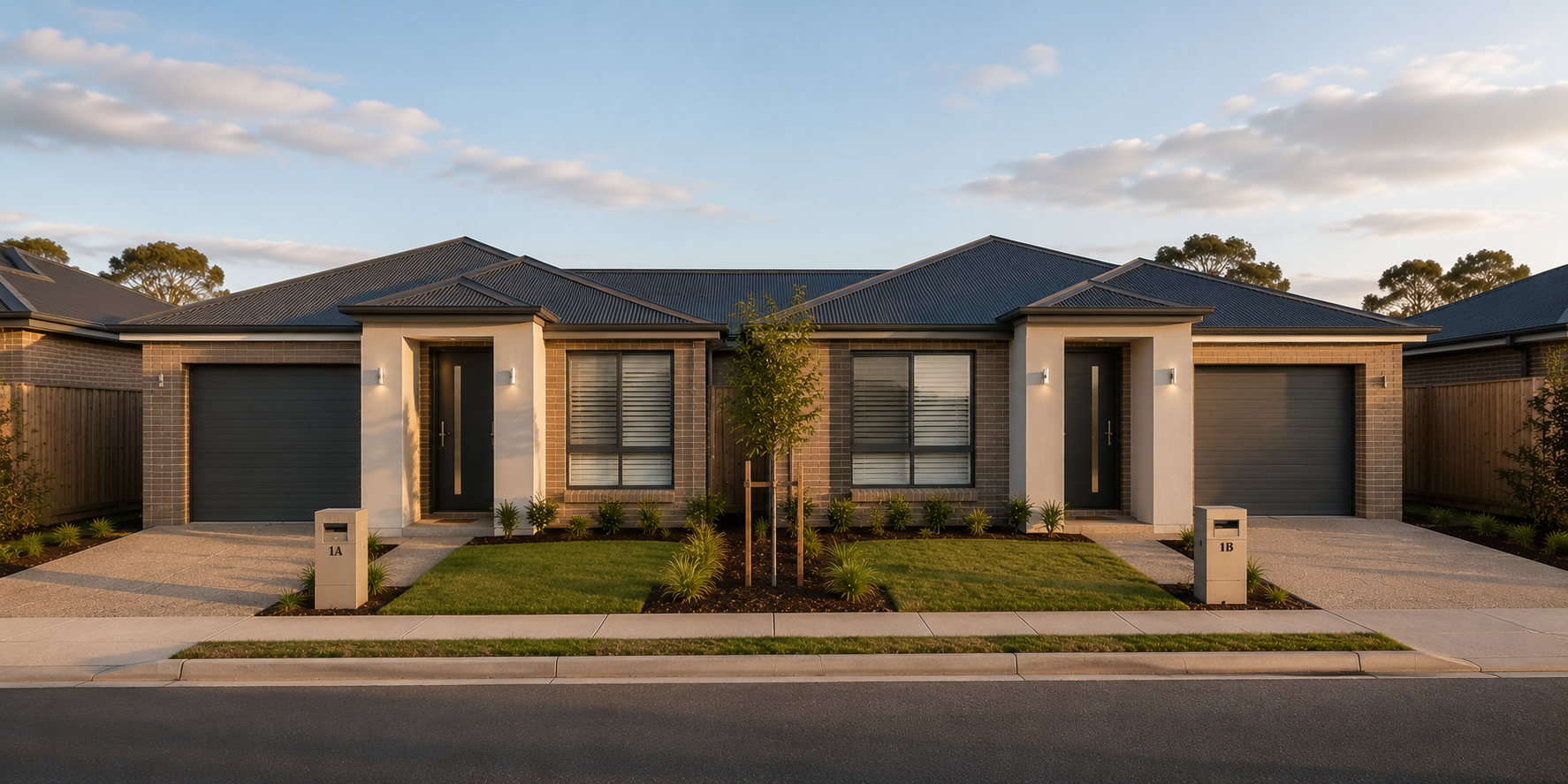
Projects containing two dwellings where the relevant residential provisions can be applied to the proposed construction.
Attached Housing
Certain attached or multi-residential projects, depending on building classification and the NCC provisions that apply.
Existing Buildings
Residential additions or altered building work where the approval pathway requires relevant NCC energy-efficiency provisions to be addressed.
Compliance Documentation
An elemental DTS assessment may also be requested where a certifier, building designer or approval authority requires documentation showing how the relevant prescribed provisions have been addressed.
Who Determines the Pathway?
The certifier, building designer and energy assessor may help determine whether the elemental DTS provisions are suitable for the proposed design. Other NCC pathways, including a NatHERS energy-rating pathway or an appropriate verification method, may be considered where the prescribed elemental provisions are not the preferred approach.
Continue to DTS and the NCC, or compare elemental DTS and NatHERS.
Approval Pathway
Residential energy-efficiency compliance forms part of the wider building approval process. The project documentation must show how the proposed design addresses the NCC requirements that apply to the building work.
01 · Applicable Requirements
The building classification, location, climate zone and scope of work help determine which residential energy-efficiency provisions apply.
02 · Design Review
The proposed insulation, glazing, sealing, ventilation and other relevant construction details are reviewed against the applicable provisions.
03 · Documentation
The assessment documentation identifies how the design satisfies the relevant requirements and can support the building approval process.
The elemental DTS route demonstrates compliance by applying prescribed construction provisions contained within the NCC. Where the proposed design aligns with those requirements, the relevant energy-efficiency measures can be documented without preparing a separate Performance Solution for those matters.
This can provide a clear pathway for residential projects where the building fabric and construction details can be coordinated directly with the prescribed requirements. Final approval remains subject to the broader documentation, certification and regulatory requirements applying to the project.
Pathway Suitability
Some designs may be difficult to resolve through the elemental provisions alone, particularly where architectural decisions create interactions that are not readily addressed through individual prescribed requirements.
Large window areas or glazing arrangements that are difficult to reconcile with the applicable elemental limits.
Unusual geometry, varied construction systems or design conditions that make direct elemental assessment less practical.
Site orientation, overshadowing or solar exposure that may be better evaluated as part of the dwelling’s overall performance.
Projects seeking greater flexibility in how individual building elements contribute to the overall compliance outcome.
Considering Another Pathway
Where the elemental provisions are not suitable, the project may use another recognised compliance pathway. NatHERS provides a software-based residential energy-rating pathway and should not automatically be characterised as a Performance Solution.
A Performance Solution may also be developed where the relevant NCC Performance Requirements need to be demonstrated through an alternative approach. VURB is a verification method based on comparison with a reference building and may be considered where that method is appropriate to the project.
Selecting the compliance pathway early can help the design team coordinate glazing, insulation and construction decisions before they create avoidable redesign, approval delays or additional project costs.
Continue to DTS and NatHERS, or explore building performance requirements.
Foundation
The Deemed-to-Satisfy provisions sit within the National Construction Code and provide prescribed ways of demonstrating compliance with applicable residential energy-efficiency requirements.
The NCC establishes minimum technical requirements for building design and construction across Australia. Its residential energy-efficiency provisions are intended to address the building fabric, thermal performance and other matters that influence energy use and occupant comfort.
The elemental DTS provisions translate the relevant NCC requirements into prescribed construction measures that can be applied directly during design, documentation and building approval.
These measures may address insulation, glazing, building sealing, roof and wall construction, ventilation and other relevant building elements. Compliance is demonstrated by showing that the proposed design satisfies the applicable provisions.
Within the NCC Framework
The NCC provides multiple ways to demonstrate residential energy-efficiency compliance. Elemental provisions form the prescriptive DTS route, while NatHERS provides a software-based energy-rating pathway. Other methods may also apply where appropriate to the project and jurisdiction.
Continue to compliance pathways or compare DTS and NatHERS.
NCC Framework
The National Construction Code provides a nationally consistent framework for building compliance across Australia. It addresses structural safety, accessibility, health, amenity, fire safety and energy efficiency for residential and commercial buildings.
Residential energy-efficiency provisions are intended to support occupant comfort while reducing unnecessary heating and cooling demand across different Australian climate conditions.
Climate zones form an important part of this framework because the applicable construction requirements vary according to the environmental conditions of the project location.
Prescribed Compliance
The NCC provides multiple ways to demonstrate compliance with residential energy-efficiency requirements. The elemental DTS provisions form the prescriptive route by setting out construction requirements that can be followed directly.
A DTS assessment reviews whether the proposed building design aligns with the applicable provisions. This may include insulation values, glazing specifications, roof and wall construction, ventilation measures and building sealing details.
Where the design satisfies those provisions, compliance can generally be documented without preparing a separate Performance Solution for the matters covered by the assessment.
Pathway Selection
Elemental DTS provisions can suit residential projects where the proposed construction can be coordinated directly with the prescribed NCC requirements. Designs with extensive glazing, unusual forms or more complex interactions between building elements may be better suited to another recognised pathway.
NatHERS provides a software-based residential energy-rating pathway and should not automatically be described as a Performance Solution. VURB is a verification method based on comparison with a reference building and may be appropriate where that assessment method applies.
A separate Performance Solution may be developed where the relevant NCC Performance Requirements need to be demonstrated through an alternative approach. Selecting the appropriate pathway early can help balance architectural intent, construction practicality and compliance efficiency.
Continue to DTS and NatHERS or explore NCC climate zone requirements.
Compliance Pathways
Elemental DTS provisions and NatHERS can both form part of the NCC residential energy-efficiency compliance framework, but they assess a proposed home in different ways.
Prescriptive Assessment
The elemental DTS route checks whether individual parts of the building satisfy the applicable prescribed NCC provisions.
The review may include insulation, glazing, sealing, ventilation and other relevant construction details.
Software-Based Assessment
NatHERS uses accredited software to model the predicted thermal performance of the dwelling under the climate conditions that apply to its location.
It considers how orientation, glazing, insulation, shading and building form interact across the home.
In practical terms, elemental DTS focuses on whether prescribed building elements meet defined requirements, while NatHERS evaluates the predicted thermal behaviour of the dwelling as an integrated design.
NatHERS should not automatically be described as sitting outside the Deemed-to-Satisfy framework. Depending on the applicable NCC provisions, it may provide a software-based energy-rating pathway within that broader compliance framework.
The appropriate pathway can depend on the project type, jurisdiction, design complexity, glazing levels, orientation, climate zone and the documentation required for approval.
Continue to DTS and Performance Solutions or explore DTS and VURB.
Prescribed Provisions
Elemental DTS compliance is based on following the applicable construction provisions set out within the NCC. These may address insulation levels, glazing performance, roof colour, shading, ventilation, building sealing and other relevant building-fabric measures.
Where the proposed design satisfies the prescribed provisions, compliance can be documented without developing a separate Performance Solution for those matters.
This route may suit residential designs that can align directly with the applicable elemental requirements.
Software-Based Rating
NatHERS uses accredited software to model the predicted thermal performance of a dwelling under the climate conditions that apply to its location.
The assessment considers how orientation, glazing, shading, insulation, ventilation, thermal mass and building form interact across the home to produce an overall star rating.
Because the dwelling is assessed as an integrated design, NatHERS may provide greater flexibility where individual elements do not align readily with the elemental provisions.
Pathway Selection
Neither pathway is universally better. The appropriate approach depends on the applicable NCC requirements, project type, jurisdiction and design characteristics.
Elemental DTS may provide a direct compliance route where the design can satisfy the prescribed construction provisions. NatHERS may be more suitable where the interaction between orientation, glazing, shading, insulation and building form needs to be assessed across the dwelling as a whole.
Reviewing the proposed pathway early can help reduce redesign and support more coordinated decisions about the building fabric. NatHERS may operate within the broader NCC Deemed-to-Satisfy framework and should not automatically be characterised as a Performance Solution.
Continue to DTS and Performance Solutions or explore building performance requirements.
Compliance Pathways
The National Construction Code allows compliance to be demonstrated through Deemed-to-Satisfy provisions, a Performance Solution or a combination of both approaches.
Prescribed Route
The elemental DTS route follows prescribed construction provisions contained within the NCC. Compliance is demonstrated by showing that the proposed building elements satisfy the requirements that apply.
This may include insulation, glazing, sealing, ventilation, shading and other relevant construction measures.
Alternative Demonstration
A Performance Solution demonstrates that the relevant NCC Performance Requirements have been satisfied through an alternative assessment approach.
This may involve analysis, modelling, expert judgement, evidence of suitability or another recognised assessment method.
Both approaches are intended to satisfy the applicable NCC Performance Requirements, but the way compliance is demonstrated differs. Elemental DTS applies predefined provisions, while a Performance Solution establishes compliance through a project-specific alternative approach.
A Performance Solution may be considered where a design cannot satisfy one or more prescribed provisions directly, or where greater flexibility is required to support the architectural or construction intent.
The appropriate pathway depends on the project scope, applicable NCC requirements, design complexity, available evidence and approval documentation. NatHERS should not automatically be described as a Performance Solution, as it may operate as a software-based rating pathway within the broader Deemed-to-Satisfy framework.
Continue to DTS and VURB or return to DTS and NatHERS.
Prescribed Compliance
Elemental DTS compliance follows prescribed NCC construction provisions relating to insulation, glazing, building sealing, roof performance and other building science measures.
Where the proposed building design satisfies the applicable provisions, compliance can be documented without developing a separate Performance Solution for the matters covered by the assessment.
This route may be efficient for residential projects that can align directly with the prescribed construction requirements.
Alternative Demonstration
A Performance Solution provides an alternative way to demonstrate that the relevant NCC Performance Requirements have been satisfied where the prescribed provisions are not followed directly.
The assessment may use analysis, modelling, verification methods, expert judgement, evidence of suitability or a combination of recognised assessment methods. The supporting documentation must explain how the proposed solution achieves the required level of performance.
NatHERS should not automatically be described as a Performance Solution. It is a software-based residential energy-rating pathway that may operate within the broader NCC Deemed-to-Satisfy framework. VURB is a verification method based on comparison with a reference building and may be used where that method is appropriate.
Design Flexibility
Some residential designs may be difficult to resolve through the elemental provisions alone. Extensive glazing, complex geometry, orientation constraints or unusual construction systems can make direct compliance with individual prescribed requirements less practical.
In these situations, another recognised NCC pathway may allow the design to be assessed more holistically or provide a suitable alternative method of demonstrating compliance.
Reviewing the proposed pathway early can help determine whether elemental DTS remains practical or whether another compliance strategy would better support the design, documentation and approval process.
Explore the VURB method or continue to building performance requirements.
Compliance Pathways
Elemental DTS provisions and Verification Using a Reference Building, or VURB, may both be relevant within the NCC residential energy-efficiency framework, but they demonstrate compliance in different ways.
The elemental DTS route applies prescribed construction provisions contained within the NCC. The assessment checks whether insulation, glazing, sealing and other relevant building elements satisfy the requirements that apply to the project.
VURB is a verification method that compares the proposed design with a reference building configured in accordance with the applicable NCC requirements. The proposed building must achieve the required comparative performance outcome under the assessment method.
Prescribed Provisions
The proposed building is assessed directly against the relevant construction requirements set out within the NCC.
Reference Comparison
The proposed building is modelled and compared with a compliant reference building to verify the required relative performance.
In practical terms, elemental DTS asks whether the design follows the prescribed provisions directly. VURB asks whether the proposed building performs appropriately when compared with the defined reference building.
VURB may be considered where a reference-building comparison is appropriate, including projects where the design does not align readily with the elemental provisions. Its suitability depends on the building classification, applicable NCC requirements, project complexity and available design information.
Return to DTS and Performance Solutions or continue to building performance requirements.
Prescribed Compliance
Elemental DTS compliance is based on satisfying the applicable prescribed NCC construction provisions. These may address insulation values, glazing performance, building sealing, roof colour and other defined energy-efficiency measures.
Where the proposed building design aligns with those provisions, compliance can generally be documented without developing a separate Performance Solution or undertaking a reference-building comparison for the matters covered.
This route may be efficient for residential designs that can be coordinated directly with the applicable elemental requirements.
Reference-Building Verification
VURB, or Verification Using a Reference Building, is an NCC verification method that compares the proposed building with a reference building configured in accordance with the applicable requirements.
The assessment uses building simulation to determine whether the proposed design achieves the required comparative performance outcome against that reference building.
Because the design is assessed through a reference-building comparison rather than only through individual elemental provisions, VURB may support greater flexibility in glazing, materials, façade design and other interacting building elements.
Pathway Suitability
Some residential designs may be difficult to resolve through elemental DTS provisions because of extensive glazing, orientation constraints, complex geometry, ceiling volumes or unusual construction systems.
Where a reference-building comparison is appropriate, VURB can assess the proposed building as an integrated design rather than requiring each element to align directly with the prescriptive route.
The suitability of VURB depends on the project type, building classification, applicable NCC provisions and available design information. Reviewing the pathway before documentation is finalised can help avoid unnecessary redesign and support a more coordinated compliance strategy.
Continue to building performance requirements or explore common DTS compliance issues.
Building Performance
Insulation is a central part of residential energy-efficiency compliance under the National Construction Code and one of the key building-fabric elements reviewed through the elemental Deemed-to-Satisfy provisions.
Insulation reduces unwanted heat transfer through the building envelope. This can help stabilise indoor temperatures, reduce heating and cooling demand and support more consistent thermal comfort throughout the year.
Within the elemental DTS provisions, minimum thermal resistance requirements may apply to roofs, ceilings, external walls and floors. The required values depend on the applicable climate zone, construction type, building classification and other project conditions.
Because Australian climates vary significantly, the same insulation specification will not necessarily be suitable in every location. The applicable NCC provisions should therefore be confirmed for the project rather than relying on a general national specification.
What the Assessment May Review
The assessment may consider insulation location, required R-values, construction-system performance, thermal bridging allowances, installation continuity and whether the proposed roof, wall and floor assemblies satisfy the applicable elemental provisions.
Continue to glazing and window requirements or explore NCC climate zones.
Elemental Review
An elemental DTS assessment reviews whether the proposed building construction satisfies the insulation provisions that apply to the relevant climate zone, building classification and construction type.
The review may consider roof and ceiling insulation, external wall systems, floor insulation, combinations of bulk and reflective insulation, construction junctions and relevant thermal-bridging allowances.
Assessment Considerations
The effectiveness of an insulation system depends on more than the nominated product R-value. Installation continuity, penetrations, construction details and coordination with glazing and sealing measures can all influence the final compliance outcome.
Building Performance
Insulation has a significant influence on the long-term thermal performance of a home. A well-coordinated insulation system can reduce indoor temperature fluctuations, support occupant comfort and lower heating and cooling demand.
Its performance is closely connected with glazing, orientation, shading, sealing and ventilation. These elements should therefore be considered together rather than treated as completely separate design decisions.
Projects with extensive glazing or complex building forms may require careful coordination because insulation alone may not resolve every compliance challenge created by the broader design.
Pathway Context
Under the elemental DTS route, insulation must satisfy the applicable prescribed NCC provisions. The required construction values and details are assessed directly against those requirements.
NatHERS uses software modelling to assess how insulation interacts with glazing, shading, orientation, thermal mass and other parts of the dwelling. VURB uses a reference-building comparison where that verification method is appropriate.
These approaches may allow building elements to be considered more holistically, but the appropriate pathway still depends on the applicable NCC requirements, project type and design conditions.
Continue to glazing and window performance or explore NCC climate zone requirements.
Related Insight
Residential energy-efficiency requirements continue to evolve as the National Construction Code responds to changing expectations for thermal performance, occupant comfort and long-term energy use. For projects using elemental DTS provisions, confirming the applicable NCC edition is an important part of preparing accurate, approval-ready compliance documentation.
Future NCC changes may continue to influence glazing requirements, building-envelope quality, climate-responsive construction and the way different residential compliance pathways are applied. NatHERS may remain relevant as a software-based energy-rating pathway, while VURB may be used where an appropriate reference-building comparison is required.
Further Reading
Return to DTS and the NCC or continue to common DTS compliance issues.
Building Performance
Glazing is one of the most influential building-fabric elements considered under the residential energy-efficiency provisions of the National Construction Code, particularly when applying the elemental Deemed-to-Satisfy requirements.
Windows and other glazed openings influence how heat enters and leaves a dwelling. Their size, orientation, frame construction and glass performance can affect indoor comfort, solar heat gain and heating and cooling demand throughout the year.
Within the elemental DTS provisions, the applicable glazing requirements can depend on climate zone, orientation, total window area, shading and the surrounding wall construction. The assessment therefore considers the proposed windows as part of the wider building envelope.
Because glazing can have a strong influence on residential thermal performance, window design is often a key factor in determining whether a project can align readily with the prescribed provisions.
What the Assessment May Review
The review may consider window area, orientation, frame type, glass performance, solar heat gain, shading and the relationship between glazed openings and the surrounding wall construction.
Continue to NCC climate zone requirements or return to insulation requirements.
Elemental Review
An elemental DTS assessment reviews the proposed glazing against the NCC provisions that apply to the project’s climate zone, orientation, window area and surrounding construction.
The review may consider window and glazed-door performance, U-values, Solar Heat Gain Coefficient, frame type, orientation, glazing area and external shading.
Assessment Context
Glazing is not assessed in isolation. Its relationship with shading, insulation, orientation and the surrounding building envelope can significantly influence whether the proposed design satisfies the applicable elemental provisions.
Compliance Pressure
Large glazed areas can increase heat gain or heat loss depending on orientation, climate and window performance. As glazing increases, the design may become more difficult to resolve through individual prescribed requirements.
Highly glazed homes often require careful coordination between glass and frame specifications, shading, insulation and façade composition to maintain a practical compliance strategy.
Where the elemental provisions do not suit the proposed design, a NatHERS energy-rating pathway or an appropriate verification method such as VURB may provide a more suitable way to assess the dwelling.
Early Coordination
Window performance is usually easiest to coordinate during the early design stages. Orientation, opening size, shading depth and façade composition can all influence both long-term building performance and the ease of demonstrating compliance.
Relatively small adjustments made before documentation is finalised may avoid more substantial specification changes or redesign later in the approval process.
For some projects, glazing becomes a defining factor in determining whether elemental DTS remains practical or whether another recognised compliance pathway should be considered.
Further Reading
Continue to NCC climate zones or explore DTS and Performance Solutions.
Related Insight
Selecting an appropriately experienced energy consultant can influence the efficiency of the compliance process and the quality of coordination across a residential project. The consultant may help interpret the applicable NCC requirements, identify a suitable compliance pathway and communicate the required design information to the project team.
For projects considering elemental DTS provisions, NatHERS, VURB or more complex residential design conditions, early advice can help identify potential compliance constraints before the documentation becomes difficult or costly to revise.
Further Reading
How to choose the right energy rating consultant in Australia
Return to DTS and NatHERS or continue to common DTS compliance issues.
Building Performance
Australia’s NCC climate zones form a core part of residential energy-efficiency compliance because they determine how the applicable construction provisions respond to local environmental conditions.
Australia includes a wide range of climatic conditions, from tropical and humid regions to temperate, cool and alpine environments. The NCC therefore applies different residential energy-efficiency provisions according to the climate zone in which a project is located.
The applicable climate zone can influence insulation levels, glazing performance, solar heat gain, shading, building sealing, roof construction and ventilation requirements.
Within the elemental DTS route, the climate zone helps establish the prescribed construction measures that must be addressed for the building to satisfy the relevant NCC provisions.
Why Location Matters
A construction specification that is suitable in one climate zone may not satisfy the provisions in another. The project location should therefore be confirmed early so that insulation, glazing and other building-fabric decisions are coordinated with the correct NCC requirements.
Continue to DTS for new homes or return to glazing and window requirements.
Local Conditions
The thermal demands placed on a home vary significantly according to local climate conditions. A dwelling in a cooler southern region may place greater emphasis on heat retention and insulation, while a home in a warmer northern climate may require stronger solar control, shading and ventilation responses.
The NCC climate-zone framework helps ensure that residential construction requirements respond appropriately to these different environmental conditions.
This climate-responsive approach can support occupant comfort while reducing unnecessary heating and cooling demand over the life of the building.
Prescribed Requirements
Within the elemental DTS route, the applicable climate zone influences many of the prescribed construction requirements used to assess compliance.
These may include:
Because the applicable requirements vary between climate zones, the same residential design may need different insulation, glazing or construction specifications when used in another location.
Design Coordination
Residential thermal performance is rarely determined by one construction element alone. Insulation, glazing, orientation, shading, thermal mass, sealing and ventilation interact as part of the wider building design.
Considering these relationships early can make it easier to coordinate the elemental DTS provisions while also supporting better long-term comfort outcomes.
Where a complex design does not align readily with the elemental provisions, a NatHERS energy-rating pathway or an appropriate verification method such as VURB may be considered within the wider NCC compliance framework.
Related Reading
Residential insulation requirements for DTS compliance
Continue to DTS for new homes or return to insulation requirements.
Project Types
Elemental Deemed-to-Satisfy provisions may be used for new residential buildings where the proposed design can demonstrate compliance with the applicable energy-efficiency requirements of the National Construction Code.
For many straightforward residential projects, the elemental DTS route provides a clear way to address NCC requirements through prescribed construction provisions.
The assessment may review insulation, glazing, shading, building sealing, ventilation and the climate-zone provisions that apply to the proposed home.
Whether this route is suitable depends on the design, building classification, jurisdiction, glazing extent, orientation and the wider compliance documentation required for approval.
Pathway Context
The NCC provides more than one way to demonstrate residential energy-efficiency compliance. A new home may use elemental DTS provisions, a NatHERS energy-rating pathway or another recognised method, depending on the applicable requirements and project conditions.
Continue to alterations and additions or explore multi-residential projects.
Assessment Scope
An elemental DTS assessment reviews whether the proposed home aligns with the prescribed NCC energy-efficiency provisions that apply to its climate zone, building classification and construction type.
The assessment may consider:
Where the applicable elemental provisions are satisfied, the compliance outcome can be documented without developing a separate Performance Solution for the matters covered by the assessment.
Pathway Suitability
The elemental DTS route may work efficiently for homes with conventional building forms, manageable glazing areas and construction systems that align directly with the applicable NCC provisions.
Where insulation, glazing, sealing and other building-fabric measures can be coordinated with the prescribed requirements, the pathway can provide a clear basis for design documentation and approval.
This can be particularly useful for standard residential designs and repeatable housing projects where the relevant construction specifications are established early.
Alternative Pathways
Architecturally complex homes may not always align readily with the elemental provisions. Extensive glazing, unusual orientation, complex geometry or custom façade systems can make direct prescriptive compliance less practical.
In these situations, a NatHERS energy-rating pathway may allow the dwelling to be assessed as an integrated design. VURB may also be considered where an appropriate reference-building comparison is required.
A separate Performance Solution may be needed where the relevant NCC Performance Requirements must be demonstrated through an alternative project-specific approach. Reviewing the pathway early can reduce redesign, approval delays and late construction changes.
Explore DTS and Performance Solutions or continue to alterations and additions.
Project Types
Elemental Deemed-to-Satisfy provisions may be used for residential alterations and additions where the proposed building work must address the applicable energy-efficiency requirements of the National Construction Code.
Unlike a completely new home, an alteration or addition must often respond to the limitations of an existing building. Older construction systems, fixed orientation, existing glazing and incomplete building information can all affect how the new work is assessed.
Under the elemental DTS route, the proposed building work is reviewed against the prescribed NCC provisions that apply to the project scope, climate zone, building classification and jurisdiction.
The extent of the assessment can vary according to the scale of the renovation, the parts of the dwelling being altered and the relationship between the new construction and the retained existing building.
Existing-Building Context
The applicable approval requirements should be confirmed before the assessment begins. Depending on the project and jurisdiction, the relevant authority may require only the new work to be addressed or may consider how the proposed changes interact with the existing dwelling more broadly.
Continue to multi-residential projects or return to new homes.
Assessment Scope
An elemental DTS assessment for alterations and additions may review the building elements affected by the proposed works and how the new construction relates to the retained dwelling.
Depending on the project scope, this may include:
The objective is to document how the proposed building work satisfies the applicable NCC energy-efficiency provisions while responding practically to the conditions of the existing home.
Existing-Building Constraints
Existing homes were not always designed around current energy-efficiency requirements. Older glazing, limited wall cavities, roof geometry, retained materials and fixed orientation can make the new work more difficult to coordinate with contemporary provisions.
Additions containing extensive glazing, high ceilings or large open-plan areas may also place greater pressure on the proposed insulation, shading and window specifications.
Early coordination between the new envelope, retained building fabric and architectural design can help resolve these constraints before the approval documentation is finalised.
Pathway Selection
Some alteration and addition projects may not align readily with the elemental provisions, particularly where extensive glazing, unusual orientation or complex interaction with the existing dwelling affects the proposed design.
A NatHERS energy-rating pathway may be considered where software modelling is appropriate to the project and applicable NCC framework. VURB may also be used where an alternative reference-building comparison is suitable.
A separate Performance Solution may be required where compliance with the relevant NCC Performance Requirements must be demonstrated through another project-specific approach. Reviewing the likely pathway early can reduce redesign, approval delays and unexpected construction changes.
Further Reading
Continue to multi-residential projects or explore common DTS compliance issues.
Project Types
Elemental Deemed-to-Satisfy provisions may be applied to a range of multi-residential developments, including duplexes, townhouses and some apartment-style projects, depending on the building classification and applicable NCC requirements.
Compared with a standalone home, multi-residential developments can involve more complex relationships between dwellings, shared walls, varied orientation conditions and different glazing exposures across the project.
These conditions can affect how the development responds to the applicable energy-efficiency provisions and whether the elemental DTS route remains practical for each dwelling or building component.
Early coordination between the architectural design, glazing strategy, insulation, building envelope and selected compliance pathway can help create a more consistent approval outcome across the development.
Project-Wide Coordination
The suitability of elemental DTS should be considered in relation to the whole development. Different dwelling orientations, façade conditions and building classifications may lead to different compliance requirements within the same project.
Continue to common DTS compliance issues or return to alterations and additions.
Assessment Scope
An elemental DTS assessment for a multi-residential project reviews whether the proposed development satisfies the prescribed NCC energy-efficiency provisions that apply to its building classification, climate zone and construction type.
Depending on the development, the assessment may consider:
Because dwellings within the same development may have different orientations, external exposures and surrounding conditions, the compliance review can be more layered than for a single detached home.
Development Complexity
Higher glazing ratios, varied dwelling orientations and dense building layouts can make it difficult to apply the same elemental solution consistently across an entire development.
Architectural consistency across façades may also need to be balanced against differing compliance requirements created by solar exposure, dwelling position and the amount of external building envelope.
As the development increases in scale, coordination between dwelling types, façade systems, glazing schedules and construction specifications becomes increasingly important.
Pathway Selection
For architecturally complex or highly glazed developments, the elemental provisions may not provide the most practical route across every dwelling or building component.
A NatHERS energy-rating pathway may be used where software-based assessment is appropriate to the building classification and applicable NCC framework. VURB may also be considered where an alternative reference-building comparison is suitable.
A separate Performance Solution may be required where the relevant NCC Performance Requirements need to be demonstrated through another project-specific approach. Identifying the pathway early can reduce redesign, improve documentation consistency and support a more efficient approval process.
Continue to common DTS compliance issues or explore the DTS approval process.
Practical Questions
Many residential projects can satisfy the elemental Deemed-to-Satisfy provisions directly. Compliance challenges are more likely to arise where glazing, insulation, orientation, shading and building form place competing demands on the prescribed requirements.
DTS issues are not always caused by one construction element in isolation. They often emerge through the interaction between the building envelope, site conditions and architectural design.
Identifying these pressure points early can help the project team coordinate specifications before they lead to redesign, approval delays or late construction changes.
Glazing
Large areas of glazing can increase heat gain and heat loss, particularly where window performance, orientation and shading are not coordinated with the prescribed provisions.
Site Response
West-facing openings, limited shading opportunities and constrained site layouts can make it more difficult for the proposed design to align directly with elemental requirements.
Building Envelope
Compliance can be affected by incomplete insulation coverage, construction junctions, thermal bridging allowances or poor coordination between insulation, glazing and sealing details.
Architectural Design
Raked ceilings, voids, cantilevers, unusual geometry and highly articulated façades can make direct assessment against individual prescribed provisions more complex.
Pathway Review
Where a design does not align readily with the elemental provisions, another recognised NCC compliance pathway may offer a more practical assessment approach.
NatHERS may be used as a software-based residential energy-rating pathway where it is appropriate to the project and applicable NCC framework. VURB may be considered where a reference-building comparison is suitable.
A separate Performance Solution may be required where the relevant NCC Performance Requirements need to be demonstrated through an alternative project-specific approach. Reviewing the likely pathway early can help avoid forcing a complex design into an unsuitable elemental strategy.
Explore DTS and Performance Solutions or continue to the DTS approval process.
Practical Questions
An elemental Deemed-to-Satisfy assessment can form part of the residential building approval process by documenting how the proposed design addresses the applicable energy-efficiency provisions of the National Construction Code.
Before building approval can be issued, the project documentation must generally show how the proposed work satisfies the NCC requirements that apply to the building classification, location and scope of work.
Through the elemental DTS route, the design is reviewed against prescribed provisions relating to matters such as insulation, glazing, building sealing, shading, ventilation and construction details.
Where the applicable provisions are satisfied, the resulting assessment documentation can support the certifier, building designer and approval authority in confirming the residential energy-efficiency compliance strategy.
Approval Documentation
The precise documents required can vary by jurisdiction, approval pathway and project type. Plans, elevations, sections, glazing schedules, insulation specifications and construction details may all be needed to complete the assessment accurately.
Continue to DTS assessment costs or return to common DTS compliance issues.
Approval Timing
An elemental DTS assessment is typically prepared during the design and documentation phase, before the relevant building approval is issued.
The assessment may be reviewed alongside architectural drawings, specifications, glazing schedules and other compliance information by the certifier or approval authority responsible for the project.
Where the proposed design satisfies the applicable elemental provisions, the assessment can support approval without requiring a separate Performance Solution for the matters covered.
Early Coordination
Energy-efficiency decisions made early can influence approval timing, construction coordination and the practicality of the proposed compliance pathway.
Where issues are identified late, the project may require glazing revisions, insulation upgrades, additional shading or changes to construction details before approval can proceed.
Reviewing likely compliance pressure points before documentation is finalised can reduce redesign and help keep architectural, structural and building-fabric information aligned.
Documentation Control
Changes to glazing, materials, insulation systems, shading, roof construction or building geometry can affect the basis of the original DTS assessment.
Where a change affects an assessed building element, updated compliance documentation may be required before the approval process can continue.
Maintaining coordination between the designer, certifier, builder and compliance consultant helps reduce the risk of inconsistent drawings, specifications or late-stage compliance issues.
Pathway Review
Some projects may encounter limitations under the elemental provisions, particularly where extensive glazing, unusual orientation or architectural complexity makes direct prescriptive compliance difficult.
A NatHERS energy-rating pathway may be considered where software-based assessment is appropriate within the applicable NCC framework. VURB may be used where a reference-building comparison is suitable.
A separate Performance Solution may be required where the relevant NCC Performance Requirements need to be demonstrated through another project-specific approach. Selecting the likely pathway early can support a more efficient approval process.
Further Reading
Continue to DTS assessment costs or return to common DTS compliance issues.
Practical Questions
The cost of an elemental Deemed-to-Satisfy assessment depends on the project scale, design complexity, available documentation and the level of coordination required during design and approval.
For a straightforward residential project, the elemental DTS route can provide an efficient compliance process because the design is reviewed against prescribed National Construction Code provisions rather than requiring a separate project-specific Performance Solution.
Assessment time may increase where the project includes extensive glazing, complex building forms, multiple dwellings, unusual orientation conditions or construction details that require further clarification.
Incomplete drawings, changing specifications or repeated design revisions can also affect the overall scope and cost of the assessment.
What Usually Influences the Fee
Key factors can include the number of dwellings, project classification, glazing schedules, construction complexity, documentation quality, assessment urgency and the amount of coordination required with the designer, certifier or builder.
Return to the DTS approval process or continue to future residential compliance insights.
Fee Factors
The cost of an elemental DTS assessment is influenced by the amount of project information that must be reviewed, the complexity of the design and the level of coordination needed to complete the compliance documentation.
Common fee factors include:
Projects that align directly with the prescribed NCC provisions are generally more straightforward to assess than highly customised designs requiring repeated clarification or specification changes.
Cost Control
Early coordination between the architectural design, glazing strategy, insulation specification and selected compliance pathway can reduce avoidable assessment work.
Where energy-efficiency requirements are addressed late, the project may require revised glazing schedules, insulation upgrades, additional shading or repeated assessment updates.
Reviewing likely compliance pressure points before documentation is finalised can help control both consultant fees and wider project costs while maintaining alignment with the design intent.
Pathway Cost Context
A complex project may be better suited to another recognised NCC pathway where the elemental provisions would otherwise require substantial redesign or construction changes.
NatHERS may involve software-based energy-rating work, while VURB requires an appropriate reference-building comparison. A separate Performance Solution may involve additional analysis and supporting documentation.
Although these pathways can involve a different assessment scope, they may sometimes reduce wider project costs by preserving workable glazing, façade or construction decisions. The most economical pathway is therefore not always the one with the lowest initial assessment fee.
Explore DTS and Performance Solutions or return to the DTS approval process.
Frequently Asked Questions
Timeframes depend on project complexity and documentation quality.
Yes. Changes to glazing, insulation, materials, orientation or geometry may require reassessment to confirm NCC compliance.
Not always. Simpler projects may suit DTS, while complex designs may be more efficient under NatHERS or alternative pathways.
Some alterations and additions require DTS assessment when they affect the building envelope or thermal performance.
It reviews insulation, glazing, shading, sealing, ventilation, construction and NCC energy efficiency requirements.
When prescriptive DTS rules cannot reasonably achieve compliance due to design complexity, glazing, orientation or thermal constraints.
Related Knowledge
Residential DTS is one pathway within the wider residential compliance framework. These related guides explain alternative energy-assessment methods, NSW-specific sustainability requirements and separate residential provisions that may apply to the same project.
Software-Based Rating
Understand how accredited software modelling assesses the thermal performance of a dwelling and produces the relevant residential star rating.
Reference-Building Verification
Explore the residential verification pathway that compares a proposed dwelling with a compliant reference building where elemental DTS may not suit the design.
NSW Residential Requirements
Review the separate water, energy and thermal commitments that may apply to relevant residential development in New South Wales.
Residential Usability
Understand the separate residential livability provisions that may apply to dwelling access, entrances, circulation, sanitary facilities and future grabrail reinforcement.
Residential Gateway
View Certified Energy’s wider residential compliance, energy-assessment, sustainability and design-support pathways.
The appropriate pathway depends on the dwelling type, jurisdiction, design complexity and approval requirements. Related assessments may apply to the same project, but they produce separate compliance or design outcomes.
Project Review
Send the available plans, elevations, sections, glazing information and approval requirements for an initial review. Certified Energy can help determine whether the project can follow a residential Deemed-to-Satisfy pathway or whether another assessment method is more appropriate.
Early review can clarify how prescribed building fabric, insulation, glazing and thermal performance provisions relate to NatHERS, Whole of Home and the broader NCC residential energy compliance framework.
Last reviewed: June 2026. This page is maintained by Certified Energy as part of its Residential Performance Knowledge Hub.