

Daylight and Visual Comfort
Daylight, Glare and the WELL Building Standard
Daylight can support better indoor environmental quality, but useful daylight is not simply more brightness. In WELL related projects, daylight needs to be balanced with glare control, visual comfort, façade design, artificial lighting and occupant experience.
This article focuses on how daylight and glare relate to WELL thinking. For broader service information, visit our Daylight Modelling Knowledge Hub or our WELL Knowledge Hub.
In Brief
Daylight supports WELL outcomes only when it is comfortable, usable and controlled.
Daylight and glare relate to the WELL Building Standard because light is one of the main ways people experience the indoor environment. WELL related design considers how lighting conditions, daylight access, glare control, visual comfort and internal environmental quality affect occupants inside buildings.
Daylight modelling does not replace WELL Certification. It can help project teams understand daylight availability, glare risk, façade response and visual comfort so that WELL related design decisions are better coordinated.
Why daylight matters in WELL related projects
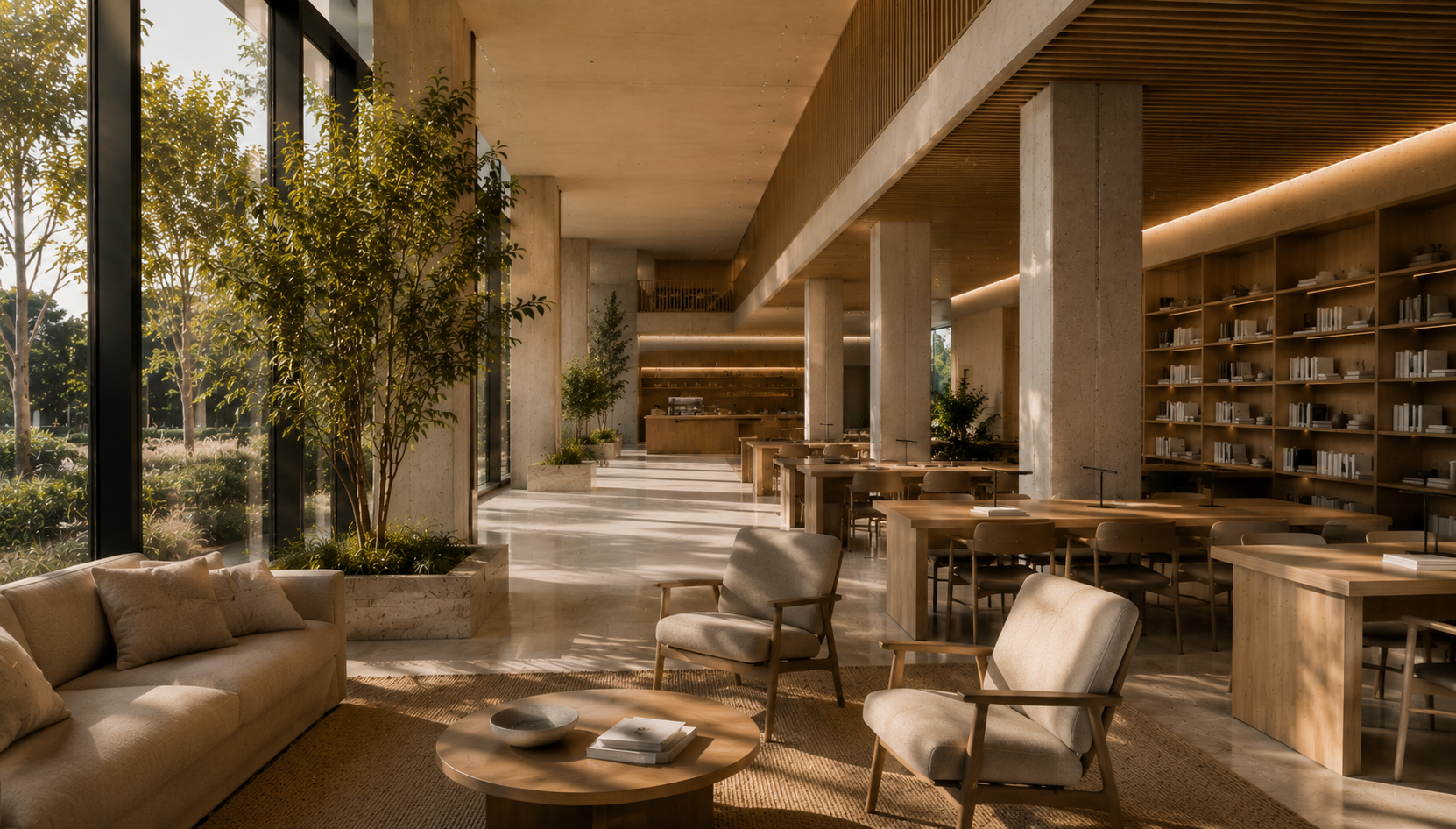
Daylight can strongly influence how a workplace, learning space, healthcare environment or commercial interior feels. Spaces with well managed daylight often feel more open, legible and comfortable. They can also support a stronger connection between occupants and the outside environment.
However, daylight only supports indoor environmental quality when it is controlled, distributed and coordinated with the rest of the building design. A space can have large areas of glass and still perform poorly if occupants experience glare, screen reflections, excessive contrast, hot zones or uncomfortable solar exposure.
Within a WELL context, daylight connects occupant experience with façade design, workplace planning, shading, artificial lighting, thermal comfort and operational building performance.
Visual Comfort
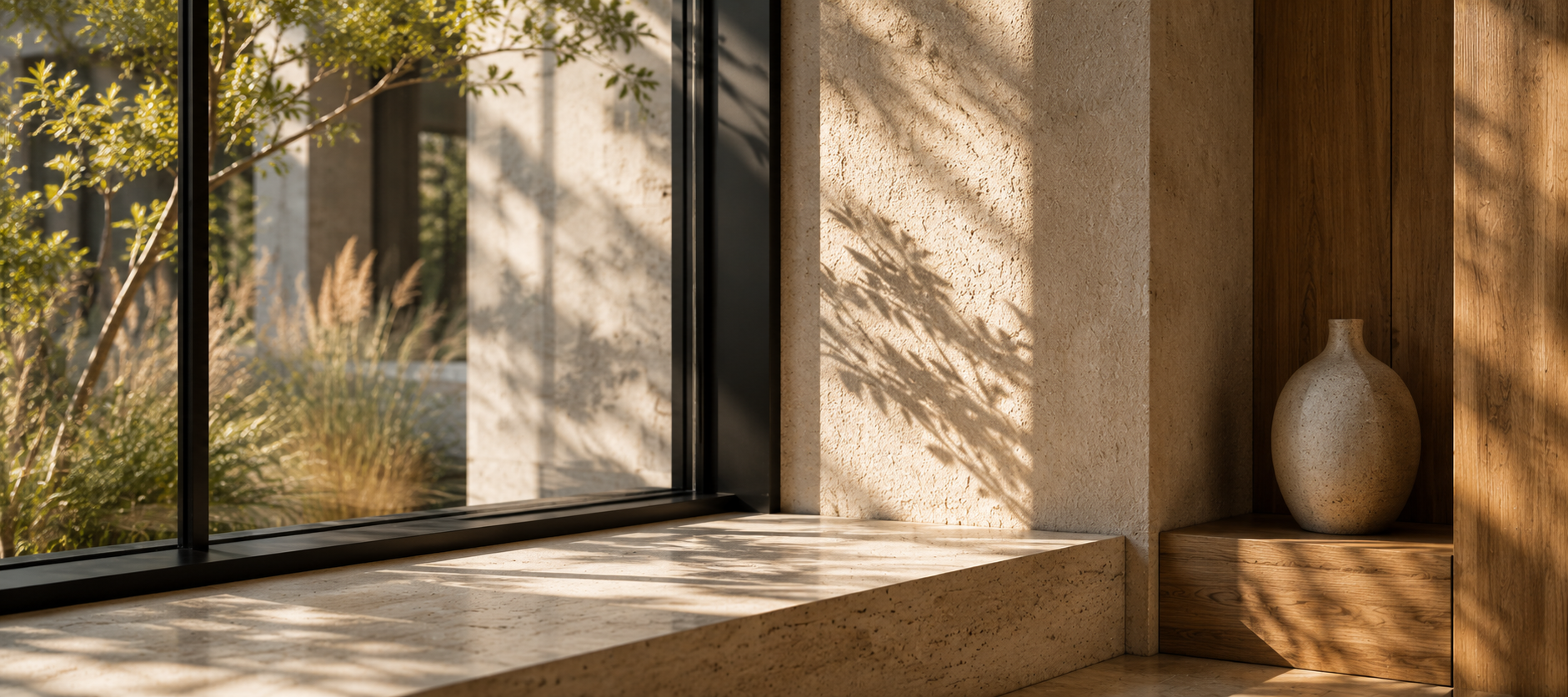
Daylight is not only about brightness
A common mistake is to treat daylight as a simple measure of how much natural light enters a space. In practice, visual comfort depends on the quality, direction, distribution and intensity of light, as well as how people are positioned within the room.
Too little daylight can make a space feel enclosed or heavily dependent on artificial lighting. Too much uncontrolled daylight can create glare, heat gain and uncomfortable contrast. The best daylight strategies usually sit between these extremes.
For WELL related design thinking, the question is not only whether a building has daylight. The better question is whether daylight supports the comfort, usability and environmental quality of the occupied space.
What causes glare in commercial buildings?
Glare occurs when brightness or contrast makes it difficult or uncomfortable to use a space. In commercial interiors, glare may come from direct sun, bright sky conditions, reflective surfaces, highly glazed façades, poor workstation placement or strong contrast between windows and darker internal areas.
Glare is especially important in screen based workplaces, learning environments, healthcare settings and other spaces where people need sustained visual focus. A room may look impressive in photographs but still be uncomfortable for people using it every day.
Managing glare usually requires coordination between façade design, shading systems, glazing selection, internal layout, workstation orientation and electric lighting strategy.
Key factors that influence visual comfort
Visual comfort is shaped by the way daylight enters, spreads and interacts with the occupied space. These factors are often reviewed together in WELL related design discussions.
Daylight distribution
Good daylight is usually distributed across the occupied area rather than concentrated only near windows or façade edges.
Glare control
Visual comfort depends on reducing excessive brightness, contrast, reflections and direct solar exposure.
Façade and glazing design
Window size, orientation, glass type, shading and façade depth all affect daylight quality and glare risk.
Internal planning
Workstations, meeting rooms, circulation zones and screen based areas need to be positioned with daylight and glare in mind.
The role of façade design and solar control
Façade design has a major influence on daylight performance. Glazing, orientation, shading, external obstructions and internal blinds can all affect how daylight enters the building and how comfortable the space feels at different times of day and year.
Solar control is particularly important because the same sunlight that improves daylight access can also increase heat gain and glare. This means daylight performance should be coordinated with thermal comfort, HVAC load, façade performance and the overall indoor environmental strategy.
In a WELL related project, façade decisions should not be treated only as aesthetic or energy decisions. They directly affect the visual and environmental conditions occupants experience inside the building.
Daylight, electric lighting and operations
Daylight performance does not sit separately from electric lighting. A well performing commercial interior usually needs natural and artificial lighting to work together, especially as outdoor conditions change throughout the day.
Lighting controls, dimming systems, blinds, maintenance, occupant behaviour and space management can all affect the final visual environment. A design may provide good daylight potential, but the occupied experience depends on how the space is controlled and used.
For this reason, daylight and glare should be considered through both design and operational lenses.
How daylight modelling can support WELL related decisions
Daylight modelling can help project teams understand how daylight is likely to behave before a space is built or occupied. It can assess daylight availability, distribution, glare risk, façade response and the effect of shading or internal planning decisions.
This can be useful when WELL is being considered because it provides evidence about the visual environment occupants may experience. It helps project teams move beyond broad claims about daylight and into a more specific understanding of building performance.
Important Distinction
Daylight modelling does not replace WELL Certification. It can support better coordination between façade design, workplace planning, lighting strategy and indoor environmental quality.
Daylight and glare in existing commercial buildings
In existing buildings, daylight and glare issues often become visible through occupant feedback, screen visibility problems, hot zones near windows, over reliance on blinds or inconsistent lighting conditions across the floor plate.
These issues may be caused by façade limitations, workstation layout, poor solar control, excessive contrast, reflective surfaces or changes in how the space is used. WELL can help frame these issues as part of a broader indoor environmental quality review.
For existing assets, the goal is often not to maximise daylight at all costs, but to create a more usable and comfortable visual environment for occupants.
Daylight as part of commercial environmental performance
Daylight performance sits at the intersection of occupant experience, building envelope design, energy use, thermal comfort and workplace quality. A daylight strategy that works well visually can also support better spatial quality and reduce unnecessary dependence on artificial lighting.
However, daylight needs to be managed carefully so that it does not create glare, heat gain or discomfort. This makes daylight one of the important bridges between WELL, façade performance, thermal comfort and commercial environmental design.
Within a wider building performance strategy, daylight and glare may sit beside thermal comfort, CFD, ventilation, NABERS, operational energy and WELL as part of a broader understanding of environmental building intelligence.
Frequently Asked Questions
Daylight, Glare and WELL
How do daylight and glare relate to WELL?
Daylight and glare relate to WELL because light affects occupant experience, visual comfort and indoor environmental quality. WELL related projects often need to consider daylight access, glare control, lighting quality, façade design and how people use the space.
Is more daylight always better?
No. More daylight can improve the quality of a space, but uncontrolled daylight can create glare, excessive contrast, screen reflections, heat gain and discomfort. Good daylight design balances daylight access with comfort and control.
Can daylight modelling support WELL Certification?
Daylight modelling can support WELL related design decisions by helping project teams understand daylight availability, daylight distribution, glare risk and façade response. It does not replace WELL Certification, but it can provide useful design evidence.
What causes glare in commercial interiors?
Glare may be caused by direct sun, bright sky conditions, reflective surfaces, highly glazed façades, poor workstation placement, screen reflections or strong contrast between windows and darker internal areas.
Is daylight modelling the same as thermal comfort modelling?
No. Daylight modelling focuses on daylight access, distribution, glare and visual comfort. Thermal comfort modelling focuses on heat, comfort conditions, overheating risk and internal environmental response. The two can be coordinated, but they are separate forms of analysis.
Related Guidance
Continue reading about daylight, WELL and indoor environmental quality
Daylight Modelling
Understand daylight access, glare, visual comfort and façade design as part of building performance.
WELL Knowledge Hub
Read the broader guide to WELL, indoor environmental quality and commercial building performance.
Thermal Comfort Modelling
Explore how heat, comfort and internal environmental conditions affect occupied spaces.
CFD Modelling
Understand airflow, ventilation pathways and local environmental behaviour in buildings.
Green Star
See how sustainability rating goals may connect with indoor environmental quality outcomes.
ESD Consultancy
Coordinate sustainability, compliance and performance advice across the project team.
Project Review
Need daylight or glare advice for a WELL related project?
Early daylight and visual comfort advice can help clarify how façade design, glare control, lighting and indoor environmental quality should be coordinated before the design becomes difficult to change.
Request a Project Quote