


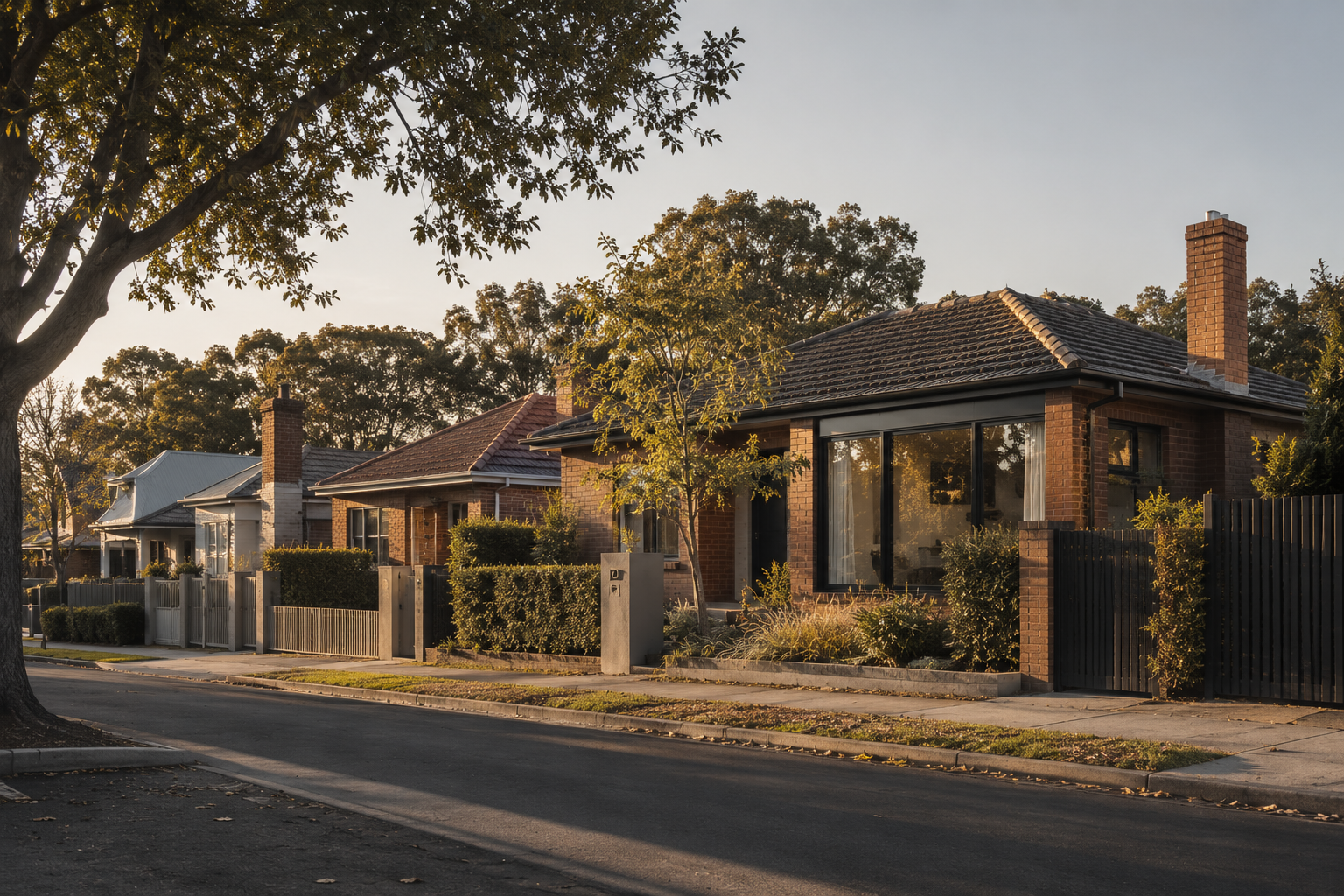
Home Energy Rating
Are Existing Home Energy Ratings Mandatory in Australia?
Existing home energy ratings are becoming a more important part of Australia’s residential energy performance system.
For homeowners, sellers, buyers, landlords, real estate agents and renovation teams, one of the most common questions is whether these ratings are already mandatory.
The short answer is that existing home energy ratings are not yet mandatory across Australia. However, the policy direction is changing. National and state-based frameworks are being developed to support home energy rating disclosure, particularly when homes are sold or leased.
This means homeowners do not need to assume that every existing home must already have a rating. But it also means that energy performance information is likely to become more visible in the property market over time.
Quick Answer
Existing home energy ratings are not yet mandatory across Australia, but disclosure pathways are developing.
Existing home energy ratings are not currently mandatory across Australia. In most states and territories, homeowners are not yet required to obtain and disclose a home energy rating before selling or leasing an established home.
However, Australia is moving toward clearer home energy rating disclosure pathways. Government-led trials and frameworks are exploring how ratings could be used in property sale and lease processes, so buyers and renters can better understand comfort, running costs and energy performance.
In NSW, the current pathway is staged. Trials are being used to test how home energy ratings may work in real property transactions. A voluntary rollout is expected before any future mandatory disclosure requirement is introduced.
For now, a home energy rating for an existing home is generally best understood as an emerging assessment and disclosure pathway, not a universal compliance obligation.
Why this question matters
Home energy ratings are no longer only a technical issue for new-build compliance. They are becoming part of a wider conversation about housing quality, energy costs, comfort, electrification, emissions and property disclosure.
For existing homes, this is especially important. Many Australian dwellings were built before current energy efficiency standards and can be expensive to heat or cool. A rating can help make this performance visible.
The policy question is whether this information should remain voluntary or become part of standard property disclosure when a home is sold or leased. That is the area currently being tested and developed as part of Australia’s wider residential performance transition.
Are home energy ratings mandatory for existing homes now?
In most parts of Australia, existing home energy ratings are not yet mandatory for ordinary homeowners.
That means a typical owner of an established home usually does not need to obtain a rating simply because they live in the property. They may choose to obtain one for renovation planning, sale preparation, comfort upgrades, electrification or energy efficiency advice, but it is not yet a blanket national requirement.
The exception to keep in mind is that energy rating disclosure requirements can vary by jurisdiction and property type. Some locations already have established disclosure expectations, and future state or territory schemes may introduce new requirements at different times.
For this reason, the safest wording is not “mandatory in Australia” or “not mandatory anywhere”. The more accurate position is that existing home energy ratings are not yet mandatory across Australia, but disclosure schemes are developing and may apply differently depending on location and transaction type.
What is disclosure at sale or lease?
Disclosure means that a home energy rating is shared publicly or provided to prospective buyers or renters when a property is advertised, sold or leased.
This is different from simply getting an assessment for personal use. A homeowner might choose to have a rating prepared to understand upgrade options. Disclosure is about whether that rating needs to be shown to the market.
A disclosure scheme can help buyers and renters compare homes more clearly. It can also help sellers, landlords and agents explain a home’s comfort, running costs and upgrade potential.
The key policy question is how disclosure should happen fairly, consistently and practically across different housing types, climates, ownership situations and property markets.
What is happening nationally?
Australia has been developing a national approach to home energy rating disclosure. The purpose is to create a framework that states and territories can use when introducing disclosure schemes.
This matters because property, tenancy and building processes are not controlled by one single national rule. State and territory governments play a major role in deciding how and when disclosure requirements are introduced.
A national framework helps create consistency, but it does not automatically mean every existing home in Australia must already disclose a rating. Implementation still depends on government decisions, timing, legislation, programs and market readiness.
What is happening in NSW?
NSW is one of the key jurisdictions testing home energy rating disclosure for existing homes.
The current NSW direction is staged. First, trials are used to test how ratings work in real sale and lease situations. Then a voluntary disclosure rollout is expected. A future mandatory disclosure stage may follow later, but the timing has not yet been confirmed.
This staged approach is important. It means NSW is not simply switching overnight from no disclosure to full mandatory disclosure. The government is testing systems, consumer information, real estate processes and implementation details before a broader requirement is introduced.
For homeowners, this means there may be value in understanding Home Energy Rating pathways early, especially if they are planning to sell, lease, renovate or upgrade an existing home in the coming years.
How does NatHERS for existing homes fit in?
NatHERS has long been associated with new homes, where star ratings are used to assess thermal performance before construction.
NatHERS for existing homes gives Australia a more consistent way to assess and communicate the energy performance of homes that have already been built.
For existing homes, the rating process needs to reflect the real dwelling. It may consider the building fabric, installed systems, comfort, energy use, appliances, solar and upgrade opportunities. This makes it useful not only for disclosure, but also for planning better retrofit decisions.
Is this different from new-home compliance?
Yes. Existing home energy rating disclosure is different from new-home energy compliance.
New homes and major renovations may need energy assessments as part of building approval, planning or construction documentation. In NSW, BASIX for new residential development may apply to new homes and some alterations and additions. NatHERS is also commonly used in new-home energy compliance.
Existing home ratings are different because they assess a dwelling that has already been built. The question is not only whether the home meets a new-build compliance pathway, but how the existing dwelling performs now and what information should be made visible to owners, buyers, renters or the market.
Are sellers or landlords required to disclose a rating?
In most jurisdictions, sellers and landlords are not yet required to disclose an existing home energy rating as a universal rule.
However, this is the area most likely to change. The policy focus is not usually on requiring every homeowner to rate their home at all times. It is more commonly focused on disclosure at key decision points, such as when a home is listed for sale or lease.
This is why real estate agents, landlords and property professionals should pay attention to the staged rollout. Even where disclosure is voluntary first, it may become part of standard property marketing and due diligence over time.
Should homeowners get a rating before it becomes mandatory?
A homeowner may choose to obtain a rating before any future mandatory requirement if they want clearer information about the home’s performance.
This can be useful when planning:
- insulation upgrades
- draught sealing
- window or glazing improvements
- heating and cooling replacement
- hot water upgrades
- solar or battery decisions
- electrification
- renovation works
- sale preparation
- rental property improvements
For some homes, early assessment may help avoid poor sequencing. For example, a homeowner may discover that improving the building fabric should come before investing in larger mechanical systems. In other cases, the rating may help support a staged upgrade plan over several years.
What should project teams do now?
Project teams should avoid treating existing home ratings as a one-size-fits-all compliance requirement. Instead, they should clarify the purpose of the assessment.
The first question is whether the rating is needed for:
- voluntary homeowner advice
- renovation planning
- government program participation
- property disclosure preparation
- portfolio review
- rental property upgrade planning
- future compliance readiness
Once the purpose is clear, the right assessment pathway becomes easier to identify. For architects, builders and energy consultants, this is especially important during renovation planning. A home energy rating for an existing home can provide useful context before design decisions are locked in.
What are the risks of giving the wrong advice?
The main risk is overstatement. Saying that all existing home energy ratings are already mandatory across Australia would be misleading.
The opposite risk is underplaying the transition. Saying that ratings are irrelevant because they are not yet mandatory would also be unhelpful.
The most accurate position sits between those two extremes. Existing home ratings are not yet a universal national requirement, but they are becoming part of Australia’s residential energy performance and disclosure landscape.
Practical implications
For homeowners, existing home ratings can provide clarity before upgrades, renovations or sale preparation.
For sellers, a future disclosure pathway may change how energy performance is presented in property marketing.
For landlords, ratings may become relevant to rental quality, comfort and tenant expectations.
For buyers and renters, disclosure could make it easier to compare homes not only by location and appearance, but by likely comfort and energy performance.
For consultants and project teams, the opportunity is to help clients understand the difference between current voluntary assessment, future disclosure and formal compliance obligations.
Assessment Pathway Advice
Unsure whether a home energy rating applies?
If you are unsure whether a home energy rating applies to your property, project or program, Certified Energy can help clarify the current assessment pathway.