


17 min read

Residential DTS Non-Compliance: What Are Your Options? | Certified Energy

By Team CE on Oct 9, 2026, 4:33:07 PM

Not every residential building design will satisfy the applicable elemental Deemed-to-Satisfy energy-efficiency provisions without further review or adjustment. A proposed glazing arrangement may exceed the limits permitted by the relevant assessment method, a construction assembly may not achieve the prescribed thermal performance, or an important building sealing detail may be missing from the documentation.

Where an elemental DTS requirement is not satisfied, the next step is to identify the specific issue and establish whether the design can be revised to meet the applicable provision or whether another recognised compliance approach should be considered.

For architects, building designers, builders and homeowners, understanding these options early can help avoid unnecessary redesign and support clearer decisions about the project's compliance documentation.

Not satisfying an elemental DTS requirement does not automatically mean a residential project cannot proceed. It means the relevant compliance issue must be resolved through an applicable and properly documented pathway.
Topics: Home Energy Rating DTS
17 min read

Duplex & Townhouse Residential DTS Compliance | Certified Energy

By Team CE on Oct 9, 2026, 4:28:46 PM

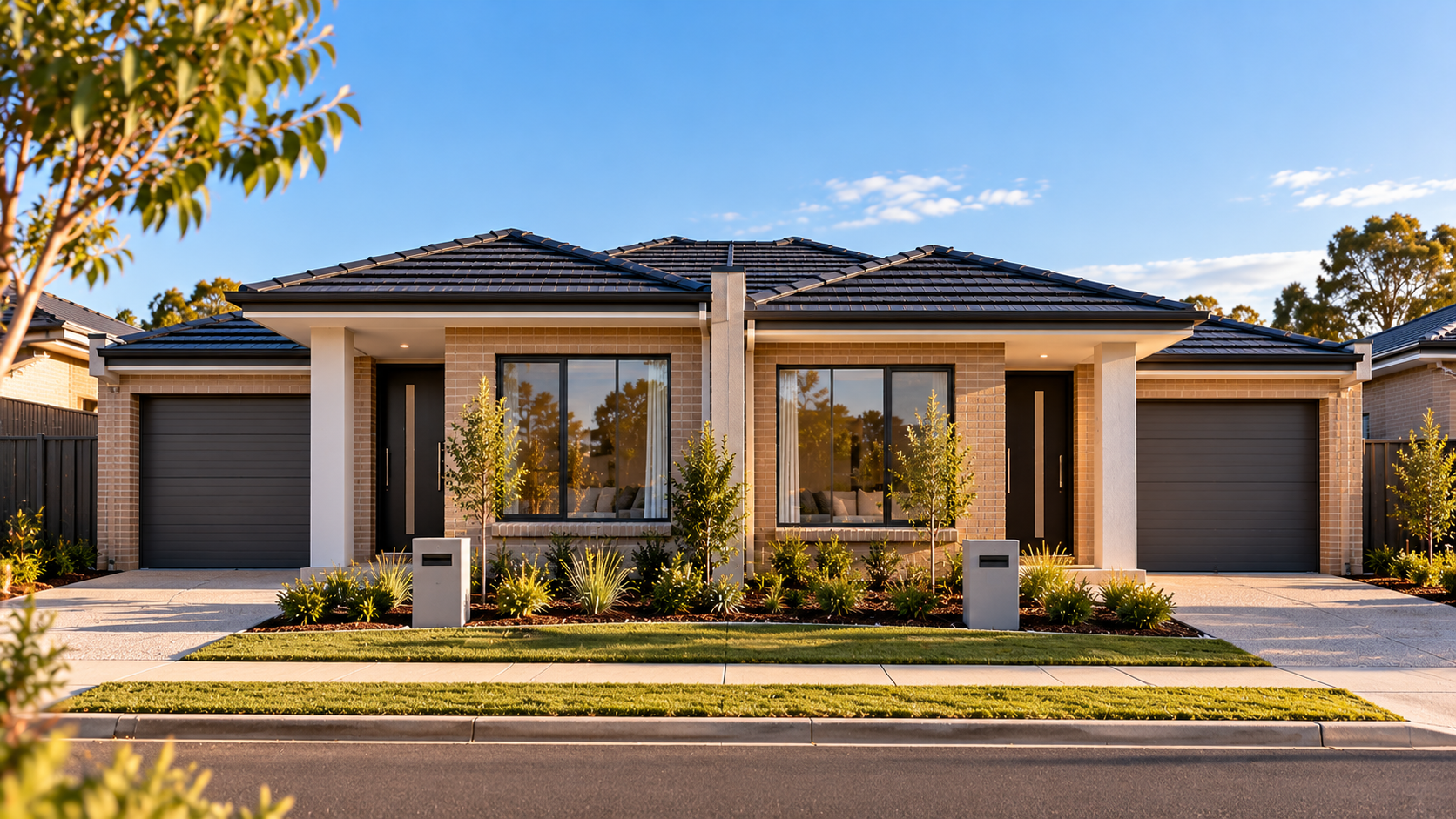
Duplexes and townhouses are common forms of residential development across Australia, but their energy-efficiency compliance requirements are not determined by their marketing or planning descriptions alone. The relevant National Construction Code building classification, building configuration and applicable compliance provisions must first be established.

Some duplexes and townhouse developments comprise Class 1a dwellings, for which the residential energy-efficiency provisions of NCC Volume Two may be relevant. Other residential developments may fall within Class 2 or another classification and require a different regulatory assessment framework.

For architects, building designers, builders and developers, understanding these distinctions early can help determine whether an elemental Deemed-to-Satisfy assessment is appropriate and what documentation will be needed for the proposed development.

A duplex or townhouse may be suitable for an elemental residential DTS assessment, but the correct pathway depends on the building classification and the provisions applying to the particular development.

Topics: Home Energy Rating DTS
16 min read

Design Changes After a Residential DTS Assessment | Certified Energy

By Team CE on Oct 9, 2026, 4:23:18 PM

Residential building plans often continue to develop after an energy-efficiency assessment has been completed. Window selections may change, construction systems may be revised, or architectural drawings may be updated to accommodate design decisions, product availability or construction requirements.

Where a residential development has been assessed using the applicable elemental Deemed-to-Satisfy provisions of the National Construction Code, these changes can affect the information and specifications on which the original compliance outcome was based.

For architects, building designers, builders and project teams, understanding which revisions require review helps maintain consistency between the assessed design, the approved documentation and the building ultimately constructed.

Not every drawing revision requires a new DTS assessment. The important question is whether the change affects a requirement, assumption or specification relied upon in the original compliance review.

Topics: Home Energy Rating DTS
16 min read

NCC Climate Zones & Residential DTS Requirements | Certified Energy

By Team CE on Oct 9, 2026, 4:16:19 PM

Residential energy-efficiency requirements under the National Construction Code are influenced by the climate conditions in which a building is located. A home designed for a warm coastal region may be subject to different elemental Deemed-to-Satisfy requirements from a similar home in a cooler inland or alpine location.

The NCC uses climate zones to account for regional differences in heating and cooling conditions. These zones can affect prescribed insulation provisions, glazing assessments, building sealing requirements and other elements of residential thermal performance.

For architects, building designers and builders working across different locations, identifying the correct climate zone early helps establish which provisions need to be considered before construction systems and product specifications are finalised.

Residential DTS requirements are not identical across Australia. The applicable climate zone can change how the same building design must be assessed.

Topics: Home Energy Rating DTS
15 min read

Residential DTS Glazing Schedule Guide | Certified Energy

By Team CE on Oct 9, 2026, 4:11:05 PM

A glazing schedule provides the information needed to identify and assess the windows and glazed doors proposed for a residential development. Under an elemental Deemed-to-Satisfy energy-efficiency assessment, accurate glazing information helps establish whether the documented window configuration satisfies the applicable National Construction Code provisions.

Window dimensions, orientation, product performance and external shading may all influence the assessment. When this information is incomplete or inconsistent across drawings and schedules, additional clarification can be needed before the compliance review can be finalised.

For architects, building designers and project teams, preparing a coordinated glazing schedule early can reduce avoidable revisions and help ensure that the assessed window configuration is the one ultimately specified for construction.

A useful DTS glazing schedule does more than list windows. It connects each glazed opening to the dimensions, orientation and performance information used in the assessment.

Topics: Home Energy Rating DTS
15 min read

Residential DTS Building Sealing Requirements | Certified Energy

By Team CE on Oct 9, 2026, 4:04:42 PM

Building sealing is an important part of residential energy-efficiency compliance under the National Construction Code. While insulation and glazing influence heat transfer through the building envelope, sealing provisions address uncontrolled air movement through specified openings and construction details.

External doors, windows, exhaust fans and gaps around certain building elements can all influence how effectively the dwelling limits unintended air leakage. These details may appear relatively minor during design development, but they can affect whether the proposed construction satisfies the applicable Deemed-to-Satisfy requirements.

For architects, building designers and builders, early consideration of building sealing helps ensure that the documented construction details can be implemented on site without relying on assumptions or late-stage corrections.

Residential building sealing is not simply about making a home airtight. It is about addressing the specific openings, components and construction details covered by the applicable NCC provisions.

Topics: Home Energy Rating DTS
16 min read

Residential DTS Glazing Requirements | Certified Energy

By Team CE on Oct 9, 2026, 4:00:55 PM

Glazing is one of the building elements that can have a significant influence on whether a residential design satisfies the elemental Deemed-to-Satisfy energy-efficiency provisions of the National Construction Code.

Window size, orientation, shading and the thermal performance of the complete window system all contribute to the assessment. A window specification that is suitable for one elevation may not necessarily provide the same compliance response on another.

For architects, building designers and project teams, understanding these requirements early can help coordinate glazing selections with the architectural design before window schedules and construction documentation are finalised.

Residential DTS glazing compliance depends on the assessed window configuration, not simply whether a dwelling uses single or double glazing.

Topics: Home Energy Rating DTS
12 min read

NatHERS Home Energy Rating Certificate for Existing Homes

By Team CE on Jul 2, 2026, 6:21:13 PM

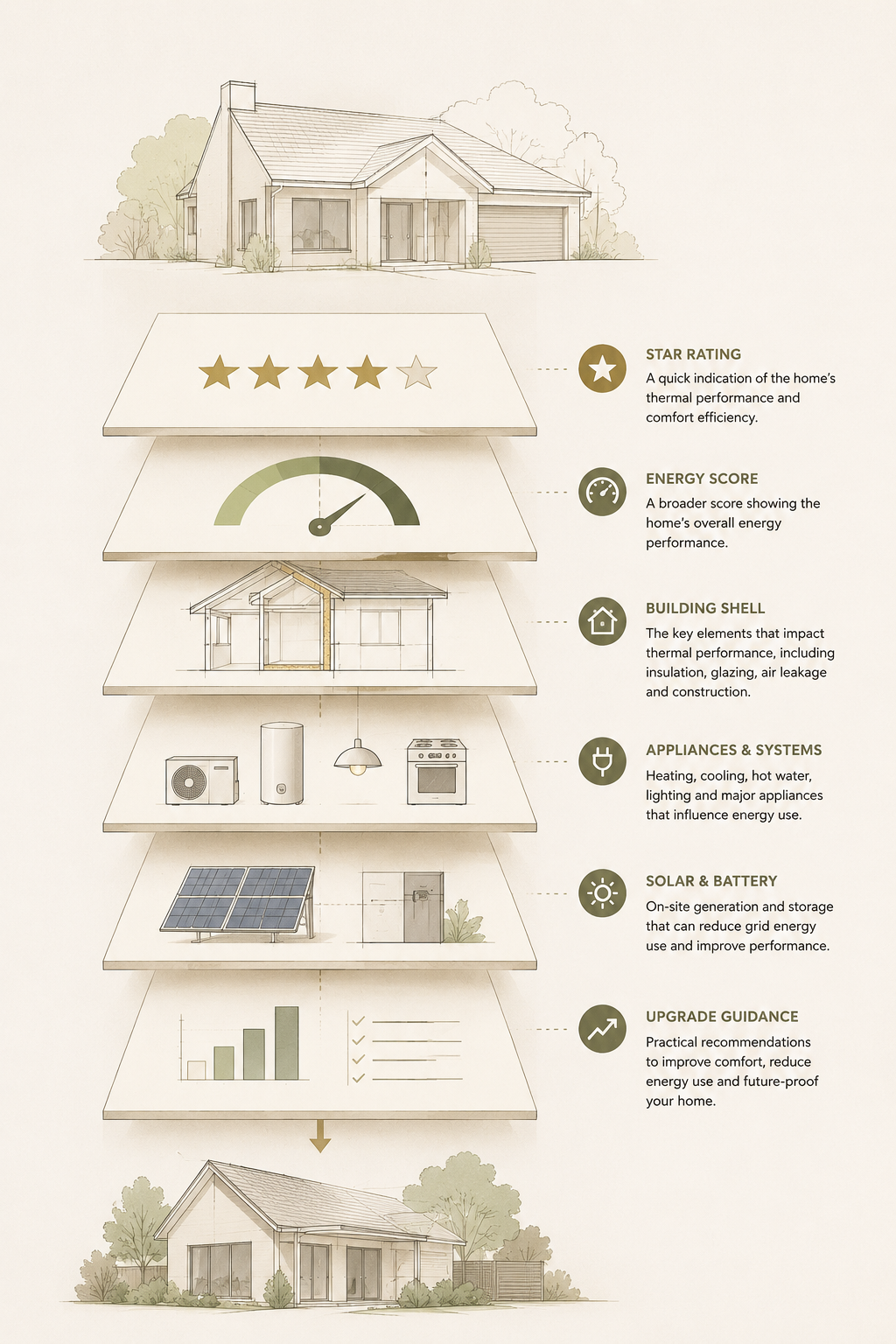
The NatHERS Home Energy Rating Certificate for existing homes is designed to explain how an established dwelling performs, how energy is used and where targeted upgrades may improve comfort and efficiency.

Unlike a new-home NatHERS certificate, which supports proposed construction and compliance, an existing-home certificate reflects the assessed condition of a completed dwelling. It considers the building shell, installed systems, onsite energy features and practical improvement opportunities.

This makes the certificate useful for homeowners, buyers, advisers and program teams who need a clearer performance language for Australia’s existing housing stock.

Topics: Home Energy Rating Residential Energy Performance
4 min read

What the 2026 NatHERS Existing Homes Trial Means for Australian Homes

By Team CE on Jul 1, 2026, 8:30:00 AM


Residential Performance

Australia’s existing homes are beginning to enter a more visible era of energy performance. The 2026 NatHERS Existing Homes Trial Outcomes Report marks an important step toward helping established homes be understood with more clarity, not just as buildings, but as places people live, renovate, improve and prepare for the future.

Topics: Home Energy Rating Residential Energy Performance
7 min read

NatHERS Assessment and NSW Home Energy Saver Loan

By Team CE on Jun 24, 2026, 1:47:56 PM

Home Energy Ratings

Topics: Home Energy Rating Residential Energy Performance