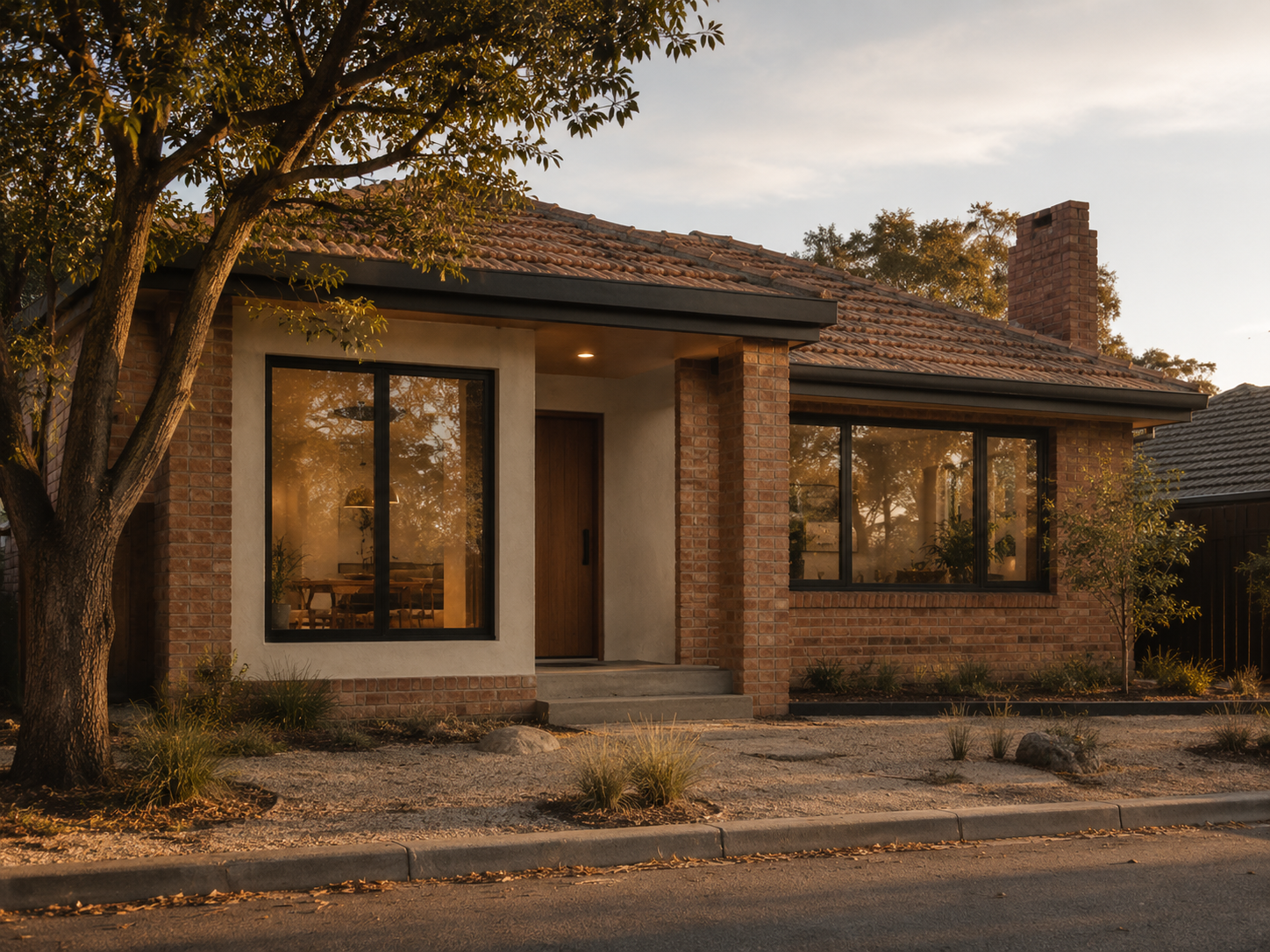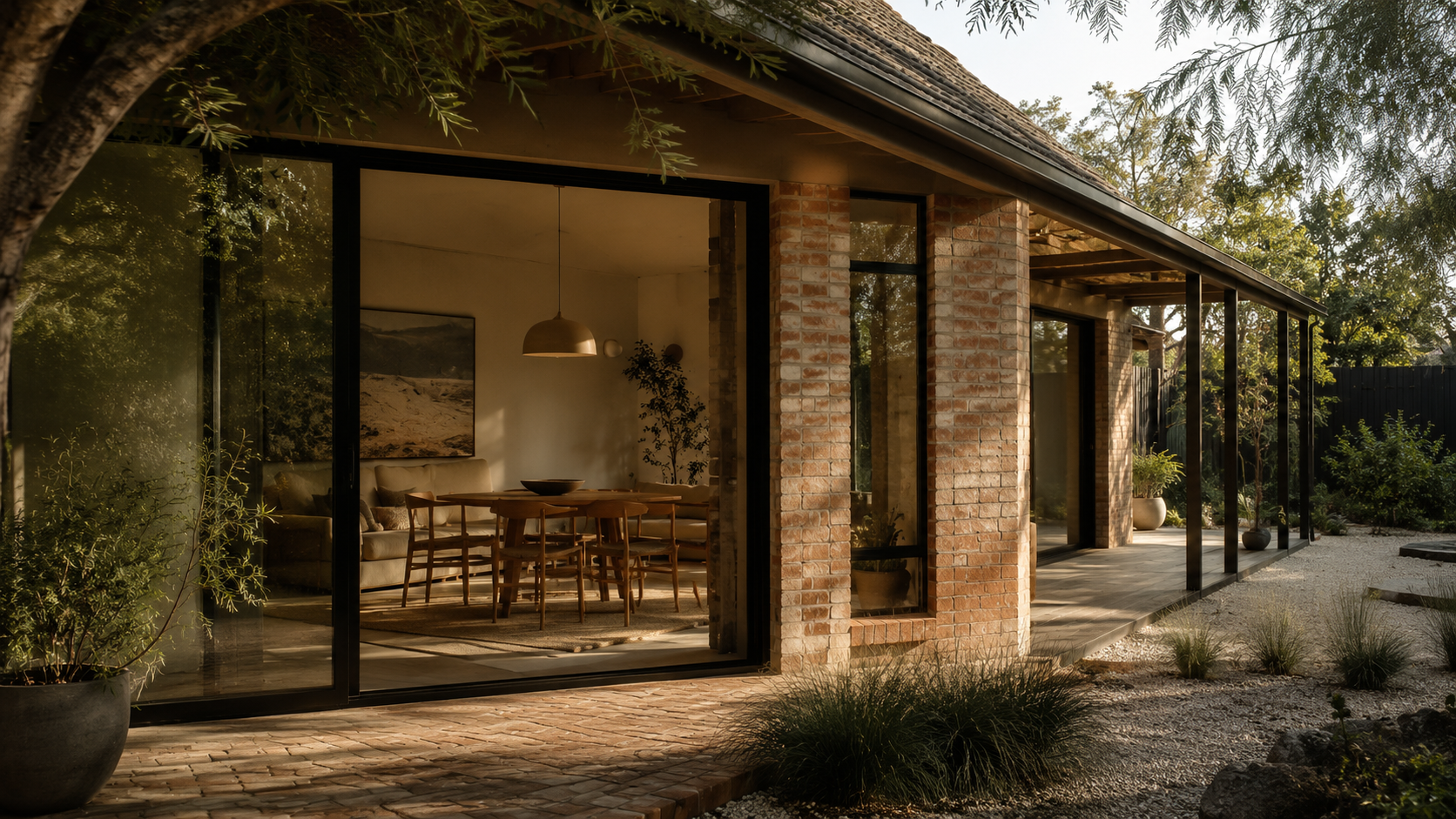
Our team has participated in national Existing Homes trial programs involving real-world assessment workflows and large-scale rating delivery testing.
We help homeowners, project teams and housing providers better understand the thermal performance of existing Australian homes and identify practical pathways for improved comfort and energy efficiency.

In Brief
A Home Energy Rating for Existing Homes is an emerging Australian residential assessment framework designed to better understand the thermal performance and energy efficiency of existing dwellings.
These assessments are part of the broader transition toward NatHERS Existing Homes and emerging Australian Home Energy Rating frameworks designed for existing residential buildings.
An Existing Home Energy Rating may involve on-site data collection, thermal modelling and analysis of building elements such as insulation, glazing, shading and ventilation. The assessment can help identify thermal comfort issues, building fabric weaknesses and practical opportunities for future energy performance upgrades across existing homes.
Existing Home Energy Ratings review the thermal performance of the dwelling, including insulation, glazing, shading, orientation, ventilation and overall building fabric performance.
New home assessments are typically based on proposed plans, while Existing Home Energy Ratings analyse real built conditions and previously constructed building elements.
Home Energy Ratings can help homeowners, industry and emerging residential performance frameworks better understand thermal comfort, operational energy and upgrade opportunities across Australia’s existing housing stock.
Home Energy Rating Knowledge Hub
What is a Home Energy Rating for Existing Homes?
Why Existing Homes Matter
Existing Homes vs New Homes
How Existing Home Energy Ratings Work
On-Site Data Collection
Thermal Modelling and Reporting
Insulation Performance
Glazing and Shading
Thermal Comfort and Energy Performance
Improving Existing Home Performance
Energy Efficiency Upgrades
Passive Design Improvements
Future Energy Disclosure Pathways
Existing Homes Trial Programs
The Future of Home Energy Ratings
Foundations
A Home Energy Rating for Existing Homes is an Australian residential energy assessment approach designed to evaluate the thermal performance of homes that have already been built and occupied.
Unlike a standard NatHERS assessment for a new home, which is usually completed from proposed plans and specifications before construction, an Existing Home Energy Rating considers real built conditions. This may include the dwelling’s age, construction type, insulation levels, glazing systems, shading, orientation, ventilation, renovation history and observable building fabric conditions.
An Existing Home Energy Rating commonly involves on-site data collection, building measurement, thermal modelling and interpretation of how the dwelling performs under Australian climate conditions. The assessment may help identify issues such as excessive summer heat gain, winter heat loss, poor insulation performance, glazing weaknesses, draughts, air leakage and practical opportunities for future energy efficiency upgrades.
In Australia, these assessments are commonly associated with NatHERS Existing Homes methodologies and emerging residential energy disclosure frameworks.
As Australia’s existing housing stock continues to age, Home Energy Ratings for Existing Homes are becoming an important way to understand residential energy performance, thermal comfort and potential retrofit pathways for established dwellings.
For homeowners, property professionals, retrofit programs and organisations working with existing housing, these assessments can provide a clearer evidence base for understanding how a home currently performs and where future improvements may have the greatest impact.
Industry Collaboration
Certified Energy is collaborating with Cotality Australia to explore how Home Energy Ratings for Existing Homes can be delivered practically, consistently and at scale as the market prepares for broader home energy rating disclosure.
Cotality brings property data and workflow capability across the Australian housing market, while Certified Energy contributes practical NatHERS assessment experience, thermal performance knowledge and residential energy compliance expertise.
This collaboration supports the development of more workable delivery models for existing home energy ratings, particularly as governments, property professionals and homeowners prepare for a future where energy performance information becomes more visible across Australia’s residential property market.
Read more about why practical delivery matters for NatHERS Existing Homes.
A large share of Australia’s residential housing stock was constructed before modern thermal performance expectations became common in residential design and construction.
Many existing Australian homes may experience:
Home Energy Ratings help create a clearer picture of how these dwellings currently perform, rather than relying only on assumptions about age, construction type or original design intent.
Improving the thermal performance of existing homes may help reduce energy demand, improve occupant comfort, support better retrofit decisions and strengthen housing resilience across Australia’s varied climate zones.
As governments, lenders, homeowners and industry groups continue exploring future energy disclosure, retrofit and residential performance pathways, Existing Home Energy Ratings are likely to become increasingly relevant across the Australian housing sector.
Existing Home Energy Ratings differ significantly from NatHERS assessments for new residential projects.
New home NatHERS assessments are generally based on proposed architectural drawings and specifications before construction begins. Existing Home Energy Ratings instead analyse homes that have already been constructed, occupied and potentially altered over time through renovations, repairs, retrofits, maintenance issues or ageing building materials.
Existing Home Energy Ratings can involve additional complexity due to:
This means Existing Home Energy Ratings often require more real-world investigation, site interpretation and evidence-based assumptions than standard new home modelling workflows.
While both pathways draw on NatHERS thermal modelling principles, Existing Home Energy Ratings focus on understanding the current performance of existing residential buildings and identifying practical opportunities for future improvement.
Continue into how Existing Home Energy Ratings work or explore on-site data collection .
Industry direction
Home Energy Rating is moving beyond technical assessment and into market readiness.
Over time, Home Energy Rating is expected to support a broader disclosure conversation, where the energy performance of existing homes may become more visible at sale or lease.
This makes the rating itself only one part of the transition. As existing home ratings become more visible, the wider market will need clear information, trained assessors, practical upgrade pathways and better understanding across property, finance, construction and energy sectors.
Existing Home Energy Ratings are generally completed through a combination of on-site data collection, building measurement, construction review and NatHERS thermal modelling.
Unlike a new home NatHERS assessment, which is usually based on proposed drawings and specifications, an Existing Home Energy Rating must interpret how a dwelling has actually been built, altered and occupied over time.
This makes the assessment process more evidence-based. The assessor may need to review visible construction details, measure the building, identify glazing and shading conditions, consider insulation assumptions and record building fabric features that influence thermal performance.
The assessment process commonly involves:
Depending on the dwelling, the assessment may include review of:
Digital LiDAR-assisted workflows, site photography and building measurement tools may be used to improve data accuracy and help translate the existing dwelling into a reliable thermal model.
Once the relevant information has been collected, the building data is entered into NatHERS thermal modelling software to assess how the home is likely to perform under Australian climate conditions.
The final Home Energy Rating can help identify thermal comfort issues, excessive heat gain, winter heat loss, inefficient building elements and practical opportunities for future energy efficiency upgrades.
Continue into on-site data collection or explore thermal modelling and reporting .
Assessment Process
Existing Home Energy Ratings are generally completed through a combination of on-site data collection, building measurement, construction review and NatHERS thermal modelling.
Unlike a new home NatHERS assessment, which is usually based on proposed drawings and specifications, an Existing Home Energy Rating interprets how a dwelling has actually been built, altered and occupied over time.
This means the assessment process often requires more real-world investigation than a standard new home modelling workflow. The assessor may need to review visible construction details, measure the building, identify glazing and shading conditions, consider insulation assumptions and record building fabric features that influence thermal performance.
The assessment process commonly involves:
Depending on the dwelling, the assessment may include review of:
Digital LiDAR-assisted workflows, site photography and building measurement tools may also be used to improve measurement accuracy and help translate the existing dwelling into a reliable thermal model.
Once the relevant building information has been collected, the data is entered into NatHERS thermal modelling software to assess how the dwelling is likely to perform under Australian climate conditions.
The Home Energy Rating may then assist in identifying:
As Existing Home Energy Ratings continue evolving across Australia, workflow systems and digital assessment tools are also becoming more refined to improve consistency, scalability and reporting quality across the sector.
On-site data collection is one of the most important parts of a Home Energy Rating assessment because it helps convert real built conditions into usable modelling information.
Unlike new home assessments that rely primarily on architectural documentation, Existing Home Energy Ratings often require physical inspection, digital measurement and verification of the dwelling’s current condition.
During the site inspection, assessors or technicians may collect information relating to:
Digital LiDAR-assisted measurement tools may also be used to help capture building geometry and improve modelling workflows, particularly where original drawings are incomplete, outdated or unavailable.
Depending on the complexity of the dwelling, data collection times can vary significantly between projects. Homes with multiple renovations, additions or undocumented modifications may require more interpretation than simpler dwelling layouts.
The quality and accuracy of on-site data collection plays an important role in helping produce reliable thermal modelling outcomes and meaningful upgrade observations.
Following site inspection and data collection, the dwelling information is transferred into NatHERS thermal modelling software to analyse how the home performs under Australian climate conditions.
The modelling process assesses how the building responds to:
Existing Home Energy Ratings may involve additional modelling complexity compared to new homes because the assessor is working with an existing building rather than a proposed design. Construction methods, missing documentation, ageing building elements and previous alterations can all affect how the model is interpreted.
Following modelling, the assessment may include:
The level of reporting and recommendations may vary depending on the project scope, assessment purpose and future upgrade objectives for the dwelling.
Continue into insulation performance or explore glazing and shading .
Thermal Performance
Insulation performance is one of the key factors that influences thermal comfort, heat loss and heat gain in existing Australian homes.
Many older dwellings were constructed before modern residential energy efficiency expectations became common. As a result, insulation levels can vary significantly between homes, construction eras, renovations and building elements.
In a Home Energy Rating assessment, insulation is considered as part of the broader building fabric. The assessment may review where insulation is present, where it appears incomplete, and how roof, wall, floor and retrofit conditions may affect the dwelling’s thermal performance.
Existing Home Energy Ratings may involve reviewing insulation conditions relating to:
In many existing homes, insulation may be:
Insulation can have a significant impact on how quickly a home gains heat in summer or loses heat in winter. Even modest improvements may sometimes contribute to more stable indoor temperatures and reduced heating or cooling demand.
However, insulation does not operate in isolation. Its effectiveness also depends on the wider building system, including glazing, shading, ventilation, orientation and air leakage pathways.
Existing Home Energy Ratings help create a clearer understanding of where insulation performance may be contributing to discomfort, inefficiency or excessive energy demand within the dwelling.
Continue into glazing and shading or explore thermal comfort and energy performance .
Glazing and shading can significantly influence heat gain, heat loss, solar exposure and thermal comfort in existing Australian homes.
Many existing dwellings contain older windows, frames or shading conditions that were not designed around modern residential energy performance expectations. In some homes, glazing design may contribute to:
In a Home Energy Rating assessment, glazing is considered as part of the broader building fabric. The assessment may review how window size, orientation, frame type, glass type, shading and surrounding site conditions affect the way the home performs across different seasons.
Existing Home Energy Ratings may involve reviewing:
The relationship between glazing and shading is highly interconnected. Well-positioned external shading may help reduce unwanted summer solar gain while still allowing access to winter sunlight where appropriate.
Depending on the dwelling, upgrade opportunities may include:
The suitability of glazing or shading upgrades can vary considerably between homes depending on climate zone, orientation, building design, existing construction constraints and the overall upgrade objective.
Thermal comfort describes how stable, liveable and comfortable a home feels across changing seasonal conditions.
In existing homes, thermal comfort is often affected by the combined performance of the building envelope, glazing, insulation, shading, ventilation, orientation, air leakage and construction quality.
Many existing Australian homes experience:
These issues are often influenced by a combination of factors including:
Existing Home Energy Ratings help analyse how these building elements interact as a complete system rather than as isolated components.
This is important because improving thermal performance is not always about a single upgrade. In many cases, the greatest improvements come from understanding how multiple building elements work together across the entire dwelling.
Depending on the project, thermal performance improvements may assist with:
As Australia’s housing stock continues ageing, thermal comfort and building performance are becoming increasingly important considerations across residential retrofit, disclosure and upgrade discussions.
Continue into upgrade pathways or explore practical upgrade opportunities .
Upgrades & Improvements
Improving the thermal performance of an existing home usually requires understanding how insulation, glazing, shading, ventilation, air leakage and building fabric conditions work together as a complete system.
A Home Energy Rating assessment may help identify which parts of the dwelling are contributing most to heat gain, heat loss, temperature instability or high heating and cooling demand.
Depending on the dwelling, performance improvements may involve:
The most appropriate upgrade pathway can vary significantly depending on:
In many cases, smaller targeted improvements across multiple areas of the home may provide more balanced thermal comfort outcomes than focusing on one isolated building element alone.
This is why Existing Home Energy Ratings can be useful before selecting upgrade works. They help create a clearer evidence base for understanding where improvements may have the greatest influence on thermal comfort, heating and cooling demand and overall building performance.
The assessment does not replace detailed design advice or construction documentation, but it can help inform better conversations about retrofit priorities, upgrade sequencing and long-term residential energy performance.
Continue into future direction for Existing Home Energy Ratings or explore practical assessment questions .
Energy efficiency upgrades for existing homes can range from simple targeted improvements through to larger retrofit projects that address multiple parts of the building envelope.
In a Home Energy Rating assessment, potential upgrade opportunities are considered in relation to how the dwelling currently performs. This helps avoid treating insulation, glazing, shading or ventilation as isolated issues when they may be interacting across the whole home.
Common upgrade areas may include:
The suitability of each upgrade depends heavily on the existing dwelling condition, climate zone, orientation, construction type and how the broader building envelope performs as a complete system.
Some homes may benefit most from relatively low-cost passive improvements, while others may require more substantial retrofit strategies to achieve meaningful performance changes.
Existing Home Energy Ratings can help provide a clearer evidence base for deciding which upgrade pathways may be most appropriate for the dwelling, especially where the home has been altered, extended or partially upgraded over time.
The assessment does not replace detailed design advice or construction documentation, but it can help inform better conversations about retrofit priorities, upgrade sequencing and long-term residential energy performance.
Passive design improvements aim to improve comfort and reduce energy demand by helping the building respond more effectively to local climate conditions.
In existing homes, passive improvements are often focused on reducing unwanted heat gain, limiting winter heat loss, improving airflow and making better use of orientation, shading and building fabric.
Passive improvements may include:
The effectiveness of passive improvements often depends on how well the dwelling responds to local climate conditions throughout the year. A strategy that improves performance in one climate zone may not be the best approach in another.
Even modest passive improvements may contribute to:
As Australia’s existing housing stock continues ageing, passive retrofit strategies are becoming an increasingly important part of residential energy efficiency, thermal comfort and climate resilience discussions.
Continue into future direction for Existing Home Energy Ratings or explore practical assessment questions .
Industry & Future Direction
Interest in Existing Home energy performance is continuing to grow across Australia as governments, industry groups and housing sectors explore future pathways for improving residential building efficiency, comfort and climate resilience.
Energy disclosure for existing homes generally refers to ways of making residential energy performance more visible, understandable and comparable for homeowners, buyers, lenders, policymakers and the broader housing sector.
Across Australia and internationally, existing residential buildings are becoming an increasing focus within broader conversations around:
In Australia, voluntary Existing Homes trial programs and pilot frameworks have helped explore how Home Energy Ratings may operate across established housing stock in practical real-world conditions.
These trials are important because existing homes are more variable than new homes. Dwelling age, construction type, renovation history, available documentation, climate zone and site access can all affect how assessment workflows need to operate.
As Existing Home Energy Rating frameworks continue evolving, assessment pathways may become increasingly relevant for:
The long-term direction of Existing Home Energy Rating disclosure pathways across Australia is still evolving. However, interest in residential energy performance, thermal comfort and evidence-based retrofit planning continues to grow across both industry and government sectors.
For Certified Energy, this emerging area is closely connected to practical assessment workflows, thermal modelling, existing dwelling data collection and the development of scalable approaches for understanding the performance of Australia’s existing housing stock.
Continue into practical assessment questions or explore Existing Home Energy Rating FAQs .
Existing Homes trial programs have helped test how Home Energy Ratings may operate across real Australian housing conditions, where dwelling age, construction type, documentation quality and site access can vary significantly.
These programs have helped explore practical assessment requirements such as:
As part of broader industry participation, Certified Energy has been involved in national Existing Homes trial programs involving operational assessment workflows, thermal modelling and large-scale rating delivery systems.
This experience gives Certified Energy practical insight into how Existing Home Energy Ratings may be delivered across different dwelling types, climate zones, documentation conditions and residential assessment scenarios.
Trial program knowledge continues helping improve:
The knowledge gained through these programs continues contributing to the broader development of Existing Home Energy Rating pathways across Australia.
Australia’s existing residential housing stock represents one of the largest long-term opportunities for improving national building performance, thermal comfort and residential energy efficiency outcomes.
As the sector evolves, Existing Home Energy Ratings are likely to continue developing through:
The future direction of Existing Home Energy Ratings may involve increasing integration between:
As technology, workflow systems and industry capability continue maturing, Existing Home Energy Ratings may become an increasingly important part of Australia’s broader residential sustainability and housing performance landscape.
For homeowners, property professionals, program managers and policy stakeholders, the development of Existing Home Energy Ratings may support more informed decisions about comfort, efficiency, retrofit priorities and long-term housing performance.
Explore practical assessment questions or continue to the Existing Home Energy Rating FAQs .
Practical Questions
The time required for a Home Energy Rating assessment depends on the size, complexity, accessibility and documentation quality of the dwelling.
Unlike a new home assessment based primarily on plans and specifications, an Existing Home Energy Rating often requires real-world data collection, building measurement, construction interpretation and thermal modelling.
Assessment timeframes are often influenced by:
In many cases, the assessment process may involve:
More complex homes, multi-stage renovations, older dwellings with limited documentation or architecturally customised homes may require additional investigation and modelling time compared to simpler residential layouts.
The overall assessment timeframe can also vary depending on project demand, workflow complexity, access arrangements and the level of reporting or upgrade guidance required.
Continue into what information is needed or explore the Existing Home Energy Rating FAQs .
A Home Energy Rating assessment may require a combination of site information, building observations, available documentation and direct measurement of the dwelling.
Useful information may include:
However, complete historical documentation is not always available for existing dwellings. Many Existing Home Energy Rating workflows are designed to operate where original drawings, specifications or renovation records are incomplete.
In these situations, on-site inspection, digital measurement, site photography and assessor observations can help create a clearer understanding of the dwelling’s current built condition.
The level of information required may vary depending on the assessment scope, dwelling complexity, access conditions and project objectives.
The cost of an Existing Home Energy Rating can vary depending on the dwelling, the level of data collection required and the scope of reporting or upgrade guidance requested.
Assessment costs are commonly influenced by:
A simple dwelling with clear access and useful documentation may require less assessment time than a large, complex or heavily altered home with limited historical information.
Assessment costs can also vary depending on whether the project involves:
As Existing Home Energy Rating frameworks continue evolving across Australia, workflows, technology systems and reporting pathways are also continuing to mature across the sector.
For this reason, the most reliable way to confirm cost is usually to provide the available property details, assessment purpose and any existing documentation so the required scope can be reviewed.
Continue to the Existing Home Energy Rating FAQs or send assessment details .
Related Compliance Context
Insulation is an important part of residential building performance because it helps reduce unwanted heat transfer through the building envelope.
In new residential construction, insulation requirements are considered within the broader energy efficiency provisions of the National Construction Code and the relevant compliance pathway for the project.
For existing homes, insulation is usually considered differently. Rather than assessing a proposed design against new construction requirements, an Existing Home assessment looks at the dwelling’s current built condition and how roof, ceiling, wall, floor and retrofit insulation may be affecting thermal comfort and energy performance.
This distinction matters because many existing homes were built before current residential energy efficiency expectations became common, and insulation may be missing, incomplete, compressed, deteriorated or inconsistent between original areas and later renovations.
The relevant insulation strategy for an existing dwelling depends on factors such as climate zone, construction type, access to roof or floor cavities, renovation history, moisture risk, ventilation pathways and the overall upgrade objective.
For this reason, insulation should usually be understood as part of the whole building system, alongside glazing, shading, air leakage, ventilation and passive performance, rather than as a single isolated upgrade.
Explore insulation performance in existing homes or continue to the Existing Homes FAQs.
Existing Home Energy Ratings are different from new-build compliance assessments because they focus on how an existing dwelling currently performs, rather than whether a proposed design satisfies a particular construction pathway.
In new residential projects, insulation, glazing, shading and building fabric requirements may be assessed through pathways such as DTS, NatHERS or other approved performance-based methods, depending on the project and compliance requirements.
For existing homes, these concepts remain relevant because they help explain why some dwellings perform poorly and where future upgrade opportunities may exist. However, the assessment focus is usually the current built condition of the home, including visible construction details, likely insulation performance, glazing behaviour, shading, ventilation and air leakage.
This distinction is important. A Home Energy Rating assessment is not simply a DTS compliance check. It is a performance-focused assessment that helps build a clearer understanding of how the dwelling operates as a complete thermal system.
Insulation has a significant influence on the long-term thermal performance of an existing home. It can affect indoor temperature stability, summer heat gain, winter heat loss, heating and cooling demand and overall occupant comfort.
In many existing homes, insulation performance works together with glazing, orientation, shading, ventilation, thermal mass and air leakage. This means insulation should usually be understood as part of the broader building system rather than as a single isolated upgrade.
Existing Home Energy Ratings can help identify whether insulation conditions may be contributing to comfort issues, inefficient performance or excessive energy demand within the dwelling.
New-build compliance pathways generally assess a proposed design before construction. Existing Home Energy Ratings instead interpret how a completed dwelling has actually been built, altered, aged and occupied over time.
This means Existing Home Energy Ratings often need to consider incomplete documentation, previous renovations, inaccessible construction elements, varying insulation conditions and real-world building performance issues.
Understanding the difference between existing home performance assessment and new-build compliance helps clarify why site data collection, building measurement and thermal modelling are so important in the Existing Homes context.
Continue to the Existing Home Energy Rating FAQs or explore what information is needed for an assessment .
Related Compliance Context
Glazing and window performance are important in both new-build residential compliance and Existing Home Energy Ratings because windows directly affect heat gain, heat loss, solar exposure and thermal comfort.
In new residential construction, glazing may be assessed as part of the project’s relevant energy efficiency compliance pathway. Window size, orientation, frame type, glass type, shading and climate zone can all influence how easily a proposed dwelling satisfies its required performance outcome.
For existing homes, glazing is considered differently. A Home Energy Rating assessment looks at the windows that are already installed and considers how they may be affecting the dwelling’s current thermal performance under real Australian climate conditions.
Older glazing systems may contribute to excessive summer heat gain, winter heat loss, glare, draughts, uneven room temperatures or increased heating and cooling demand. These issues are often influenced by the relationship between glazing, shading, orientation, ventilation and insulation.
This distinction is important because an Existing Home Energy Rating is not simply checking whether windows meet a new-build DTS provision. It is assessing how the existing glazing and shading conditions contribute to the home’s overall thermal behaviour.
Explore glazing and shading in existing homes or continue to the Existing Home Energy Rating FAQs .
In a Home Energy Rating assessment, glazing is reviewed as part of the dwelling’s current built condition rather than as a proposed window specification for a new design.
The assessment may consider how existing windows, doors, frames, glass type, orientation and shading conditions influence heat gain, heat loss and indoor comfort across different seasons.
This may include reviewing:
The interaction between glazing, shading, insulation, orientation and ventilation can have a significant influence on the overall thermal performance of an existing home.
Existing glazing can contribute to overheating, winter heat loss, glare, draughts and uneven room temperatures depending on window type, orientation, shading and local climate conditions.
Many older Australian homes contain windows that were not selected or positioned with modern thermal performance expectations in mind. In some dwellings, large areas of unshaded glass may increase summer heat gain, while poorly performing windows may contribute to winter heat loss.
Glazing performance is rarely an isolated issue. It usually works together with insulation levels, air leakage, shading, ventilation and room layout to shape the way the home feels and performs.
A Home Energy Rating assessment can help clarify whether glazing and shading conditions are likely to be contributing to comfort issues, high heating and cooling demand or future upgrade priorities.
New-build glazing decisions are usually made during design and documentation, when window size, orientation, frame type, glass performance and shading can still be adjusted before construction.
Existing homes are different. The assessment starts with windows that are already installed, which means the focus is on understanding how current glazing conditions affect real building performance and what upgrade options may be practical.
In new residential compliance, glazing may influence whether a project follows a DTS, NatHERS, VURB or other performance-based pathway. In an Existing Home Energy Rating assessment, the more important question is how the installed glazing contributes to current comfort, efficiency and retrofit potential.
This distinction helps keep Existing Home Energy Ratings focused on real dwelling performance rather than treating the home as a proposed new design.
Continue to the Existing Home Energy Rating FAQs or explore glazing and shading in existing homes .
Frequently Asked Questions
A Home Energy Rating for Existing Homes is an Australian residential energy assessment approach designed to assess the thermal performance of homes that have already been built and occupied. It helps measure how an existing dwelling performs in relation to comfort, heat gain, heat loss and potential energy efficiency improvements.
A new home NatHERS assessment is generally based on proposed architectural plans and specifications before construction. An Existing Home Energy Rating analyses real built conditions, which may include ageing materials, undocumented renovations, varying insulation levels, installed glazing systems and building details that need to be verified on site.
Existing Home Energy Ratings are part of an evolving area of residential energy assessment in Australia. They are becoming increasingly relevant as governments, industry groups and housing sectors explore future energy disclosure, retrofit planning and existing housing performance pathways. Whether an assessment is required depends on the project, program or assessment purpose.
Depending on the assessment method, software pathway and project scope, an Existing Home Energy Rating may include a NatHERS-style rating outcome or broader thermal performance analysis. The exact reporting format can vary depending on the assessment purpose, trial framework or program requirements.
In many cases, an Existing Home Energy Rating involves on-site data collection to review the dwelling’s dimensions, glazing, insulation, shading, construction systems and other building performance factors. Digital measurement tools may also be used to support the assessment workflow.
An Existing Home Energy Rating may review insulation, glazing, shading, orientation, roof and floor systems, ventilation, air leakage observations, thermal comfort behaviour and the overall performance of the building fabric. The exact scope can vary depending on the dwelling and assessment purpose.
Yes. Depending on the assessment scope, an Existing Home Energy Rating may help identify practical opportunities to improve thermal comfort and energy performance, such as insulation upgrades, glazing improvements, shading, draught sealing, ventilation improvements and passive design improvements.
In many cases, yes. While existing plans can be helpful, assessments may also rely on site inspection, building measurement, site photography and digital data collection workflows where historical documentation is incomplete or unavailable.
Useful information may include floor plans, elevations, renovation details, glazing information, insulation details, construction information, previous retrofit works, site photographs and notes about comfort issues within the home. Complete documentation is not always available for existing homes, so the required information can vary by project.
Timeframes can vary depending on the size, complexity, accessibility and documentation quality of the dwelling. Larger homes, undocumented renovations, complex layouts or detailed upgrade reporting may require more time than simpler residential assessments.
Existing Home Energy Rating costs can vary depending on dwelling size, building complexity, site access, travel requirements, documentation availability, thermal modelling complexity and the level of reporting or upgrade guidance required. The most reliable way to confirm cost is to provide the available property details for review.
Existing Home Energy Ratings may be useful for homeowners, property professionals, retrofit programs, housing organisations, sustainability teams, lenders, policy stakeholders and organisations seeking to better understand the performance of existing residential dwellings.
Certified Energy has participated in national Existing Homes trial programs involving operational assessment workflows, thermal modelling and large-scale rating delivery systems. This experience may support projects where consistent assessment processes, scalable workflows and practical reporting are required across multiple dwellings.
Yes. Interest in Existing Home energy performance is growing as Australia explores future residential energy disclosure, retrofit pathways, thermal comfort improvements and more efficient housing performance across the existing building stock.
Next Step
A Home Energy Rating can help provide a clearer understanding of thermal comfort, operational energy use and potential residential performance improvement pathways across existing homes.
Last reviewed: June 2026. This page is maintained by Certified Energy as part of its Residential Performance Knowledge Hub.