

Team CE

Team CE

Articles written by the Certified Energy technical team covering NatHERS, BASIX and building performance in Australia.

Recent posts by Team CE

19 min read

Water Efficiency in Green Star Homes | Framework Guide

By Team CE on Jun 8, 2026 1:53:18 PM

Green Star Homes Resilience Guide

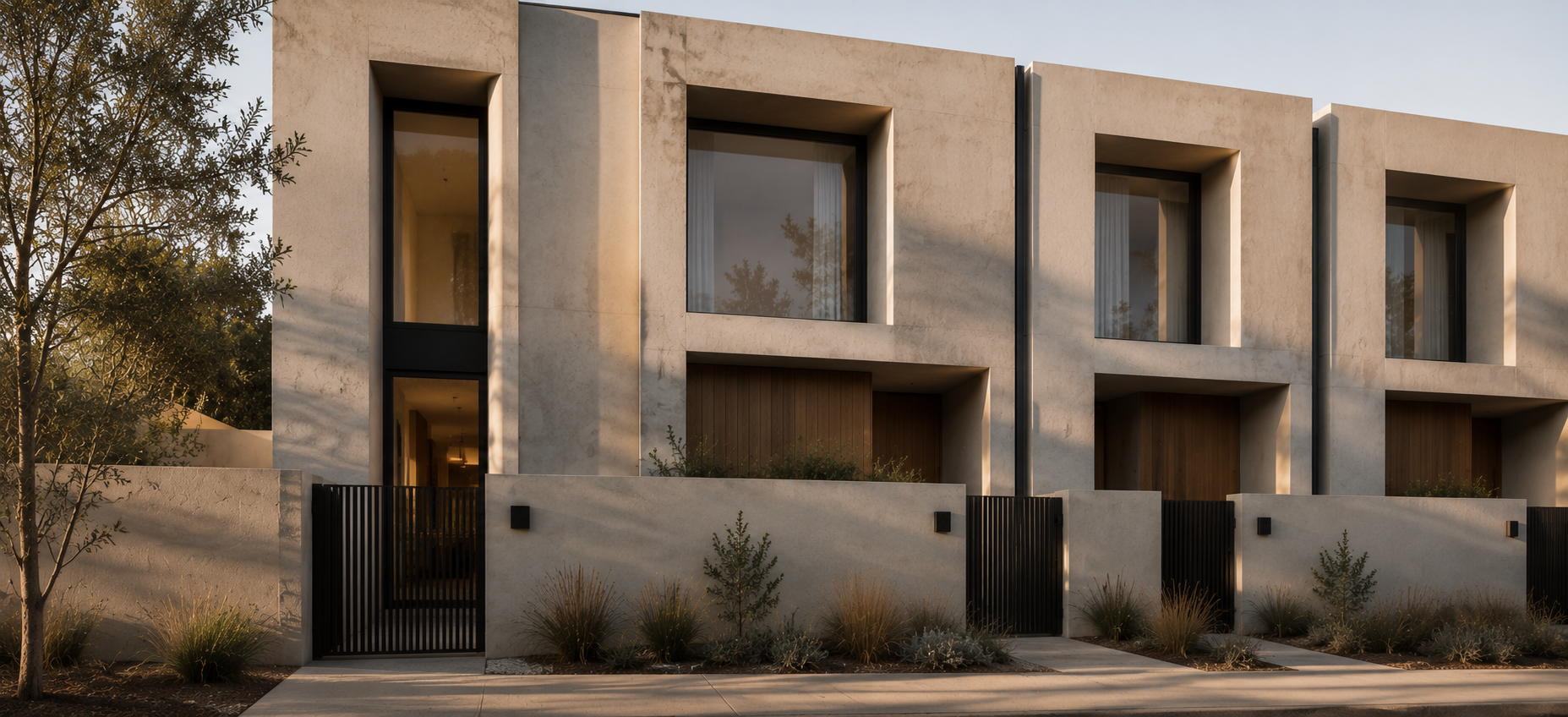
Water efficiency supports the Resilient outcome within Green Star Homes by reducing potable-water demand and coordinating fixtures, appliances, rainwater systems and outdoor water use across repeatable home designs.


Green Star Homes is a voluntary residential certification pathway structured for eligible volume home builders. Its requirements bring energy, health and resilience measures together across repeatable home designs and individual completed dwellings.

Within that framework, water efficiency is not established by one isolated product. It depends on the relationship between water-using fixtures, appliances, outdoor demand, any alternative water supply and the specifications ultimately delivered during construction.

This guide focuses on water efficiency as a Green Star Homes framework and evidence issue. Broader residential compliance, site-water and stormwater pathways remain separate. For the complete certification context, visit the Green Star Homes Knowledge Hub.
Topics: Residential Sustainability Frameworks Green Star Homes
14 min read

Operational Energy in Sustainable Housing

By Team CE on Jun 8, 2026 1:51:14 PM

Operational Energy in Sustainable Housing

Operational energy is the energy a home uses once people are living in it. It includes the energy used for heating, cooling, hot water, cooking, lighting, appliances, pool equipment, plug in loads and sometimes electric vehicle charging. In sustainable housing, operational energy matters because it affects running costs, greenhouse gas emissions, comfort and long term residential performance.

Topics: BASIX NatHERS 7 Star Homes BASIX Certificates NatHERS Existing Homes
22 min read

All-Electric Homes and Green Star Homes

By Team CE on Jun 8, 2026 1:49:00 PM

Green Star Homes Energy Guide

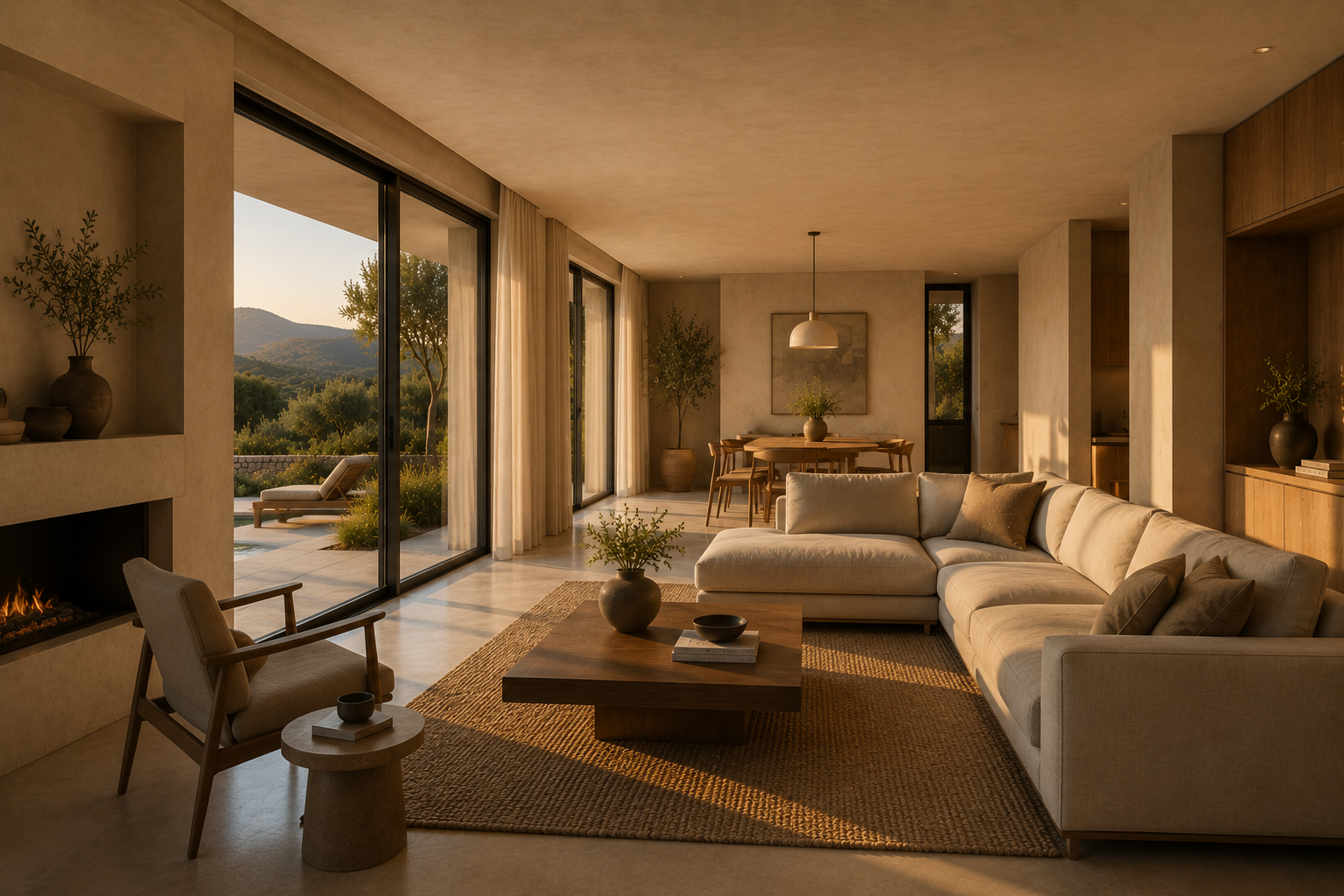
All-electric design is central to the Positive outcome within Green Star Homes, but replacing gas appliances is only one part of the required residential energy and certification strategy.


An all-electric home uses electricity rather than gas or another onsite fossil fuel for major household services such as cooking, hot water, space heating and cooling. These systems can then be supported by onsite solar generation and renewable electricity.

Within Green Star Homes, this is not treated as a collection of unrelated appliance choices. The Positive outcome connects electrification with thermal performance, airtightness, efficient household systems, renewable energy and information that helps the resident operate the home as intended.

This guide focuses on how all-electric design is coordinated across an eligible volume builder’s product range and carried into individual completed homes. For the complete framework context, visit the Green Star Homes Knowledge Hub.
Topics: Residential Sustainability Frameworks Green Star Homes Electrification
13 min read

Indoor Air Quality and Healthier Homes

By Team CE on Jun 8, 2026 1:46:39 PM

Indoor Air Quality and Healthier Homes

Indoor air quality is one of the most important parts of a healthier home. A home may look sustainable from the outside, but if the indoor air is stale, damp, polluted or poorly ventilated, it may not support the people living inside it as well as it should.

Topics: BASIX NatHERS 7 Star Homes BASIX Certificates NatHERS Existing Homes
12 min read

How Glazing and Shading Affect Sustainable Home Performance

By Team CE on Jun 8, 2026 1:42:09 PM

How Glazing and Shading Affect Sustainable Home Performance

Glazing and shading are two of the most important design decisions in a sustainable home. Windows bring light, views, ventilation and connection to outside, but they can also create heat gain, heat loss, glare and comfort problems if they are not designed carefully.

Topics: BASIX NatHERS 7 Star Homes BASIX Certificates NatHERS Existing Homes
21 min read

Why Thermal Comfort Matters in Green Star Homes

By Team CE on Jun 8, 2026 1:40:13 PM

Green Star Homes Performance Guide

Thermal comfort supports the performance and liveability of a Green Star Home, but it must be understood through the framework’s design, evidence and completed-home certification pathway rather than as a standalone sustainability claim.


Green Star Homes is a voluntary residential certification pathway structured for eligible volume home builders. It brings energy performance, indoor-environment considerations and climate resilience together across repeatable home designs and individual completed dwellings.

Thermal comfort is influenced by the way the home responds to heat, cold, solar exposure, air movement and changing outdoor conditions. Orientation, glazing, shading, insulation, construction systems, air leakage, ventilation and household services can all contribute to that response.

This guide focuses on how those inputs support the Green Star Homes framework. It does not replace the separate technical territory of NatHERS thermal assessment, Passive House certification or specialist Thermal Comfort Modelling.

Topics: BASIX NatHERS 7 Star Homes BASIX Certificates NatHERS Existing Homes
12 min read

What Makes a Sustainable Home in Australia?

By Team CE on Jun 8, 2026 1:38:33 PM

What Makes a Sustainable Home in Australia?

A sustainable home in Australia is not defined by one product, appliance or rating alone. It is shaped by how the home responds to climate, how comfortable it feels, how much energy and water it uses, how healthy the indoor environment is and how well the home can adapt to future conditions.

Topics: BASIX NatHERS 7 Star Homes BASIX Certificates NatHERS Existing Homes
21 min read

Green Star Homes vs Passive House | Key Differences

By Team CE on Jun 8, 2026 1:36:27 PM

Residential Sustainability Comparison

Green Star Homes and Passive House can both support higher-performing Australian homes, but they address different objectives, use different evidence pathways and apply to different project contexts.


Green Star Homes is a voluntary Australian residential certification pathway developed by the Green Building Council of Australia. It is structured for eligible volume home builders delivering repeatable new-home designs or product ranges and organises its requirements around Positive, Healthy and Resilient outcomes.

Passive House is a separate international building-performance standard. It uses the Passive House Planning Package, known as PHPP, together with detailed envelope design, airtightness, high-performance windows, thermal-bridge control, controlled ventilation and project verification.

This comparison explains where the two pathways differ, where they overlap and when each may be relevant. For complete framework guidance, visit the Green Star Homes Knowledge Hub and the Passive House in Australia guide.

Topics: Passive House Green Star Rating Residential Sustainability Frameworks
16 min read

Green Star Homes vs NatHERS Residential Pathways

By Team CE on Jun 8, 2026 1:35:15 PM

Victorian Stormwater Treatment Guide

Rainwater tanks, raingardens, permeable surfaces and other WSUD measures can improve stormwater treatment performance, but their contribution depends on more than simply including them in the design.


A stormwater treatment assessment considers how runoff from roofs, driveways, paving and other impervious areas is managed by the treatment measures connected to them. The presence of a tank, raingarden or permeable surface does not by itself establish that the required treatment outcome will be achieved.

Performance depends on the relationship between catchment area, treatment capacity, rainwater reuse, physical connections and any impervious surfaces that remain untreated. A measure that is appropriately sized and connected can contribute strongly to the assessment. The same measure may contribute much less where it receives only a small catchment or cannot operate as represented in the model.

This guide focuses specifically on how common WSUD measures can support quantitative stormwater treatment performance. For the wider difference between site strategy and modelling, see STORM vs WSUD.

Topics: NatHERS Residential Energy Performance Residential Sustainability Frameworks Green Star Homes
24 min read

Green Star Homes vs Commercial Green Star | Key Differences

By Team CE on Jun 8, 2026 1:33:20 PM

Green Star Framework Comparison

Green Star Homes and the Green Star tools used for buildings, fitouts, operational assets and communities belong to the same Australian rating system, but they assess different project types through different certification pathways.


Green Star Homes is a voluntary residential certification pathway developed by the Green Building Council of Australia. It is currently structured for eligible volume home builders delivering repeatable new-home designs or product ranges.

The phrase commercial Green Star is different. It is not the formal name of one rating tool. It is commonly used as shorthand for Green Star pathways applying to new buildings, major refurbishments, existing operational assets, fitouts and masterplanned communities.

This guide explains how the pathways divide the territory and why the correct tool depends on the project’s assessment boundary rather than whether the development is described informally as residential or commercial. For full framework guidance, visit the Green Star Homes Knowledge Hub and the Commercial Green Star Knowledge Hub.

Topics: Green Star Rating Sustainability & Wellbeing Frameworks Residential Sustainability Frameworks Green Star Homes