


Team CE

Team CE

Articles written by the Certified Energy technical team covering NatHERS, BASIX and building performance in Australia.

Recent posts by Team CE

2 min read

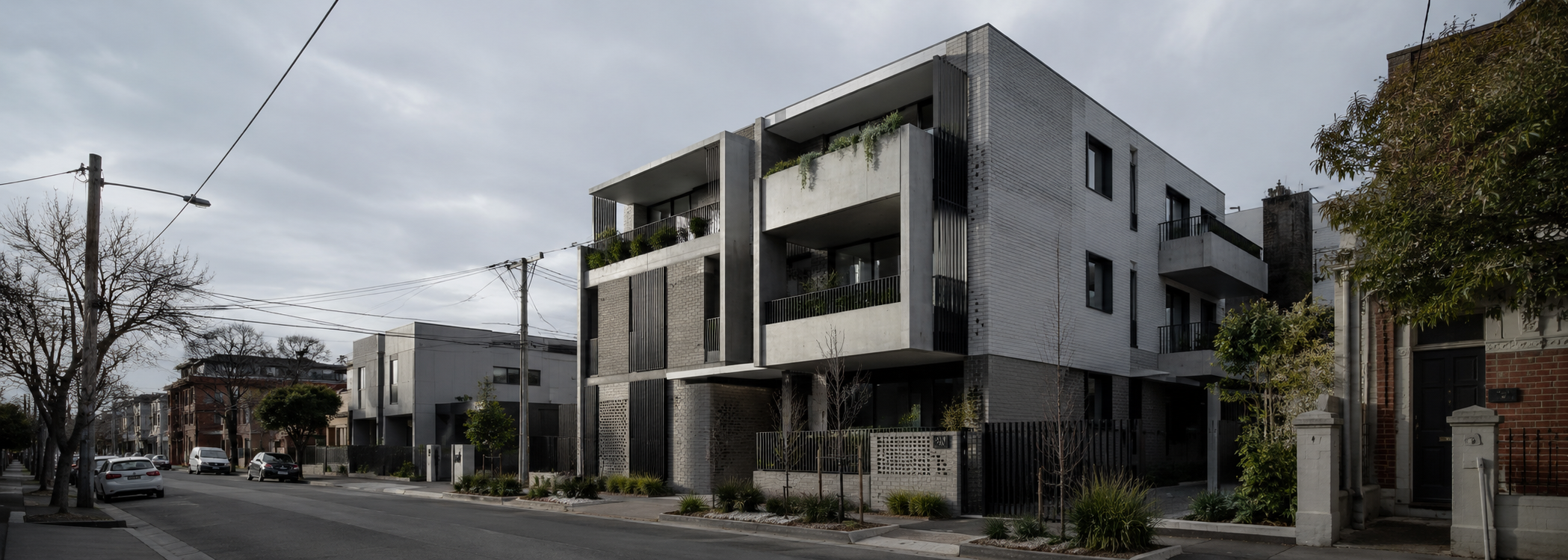
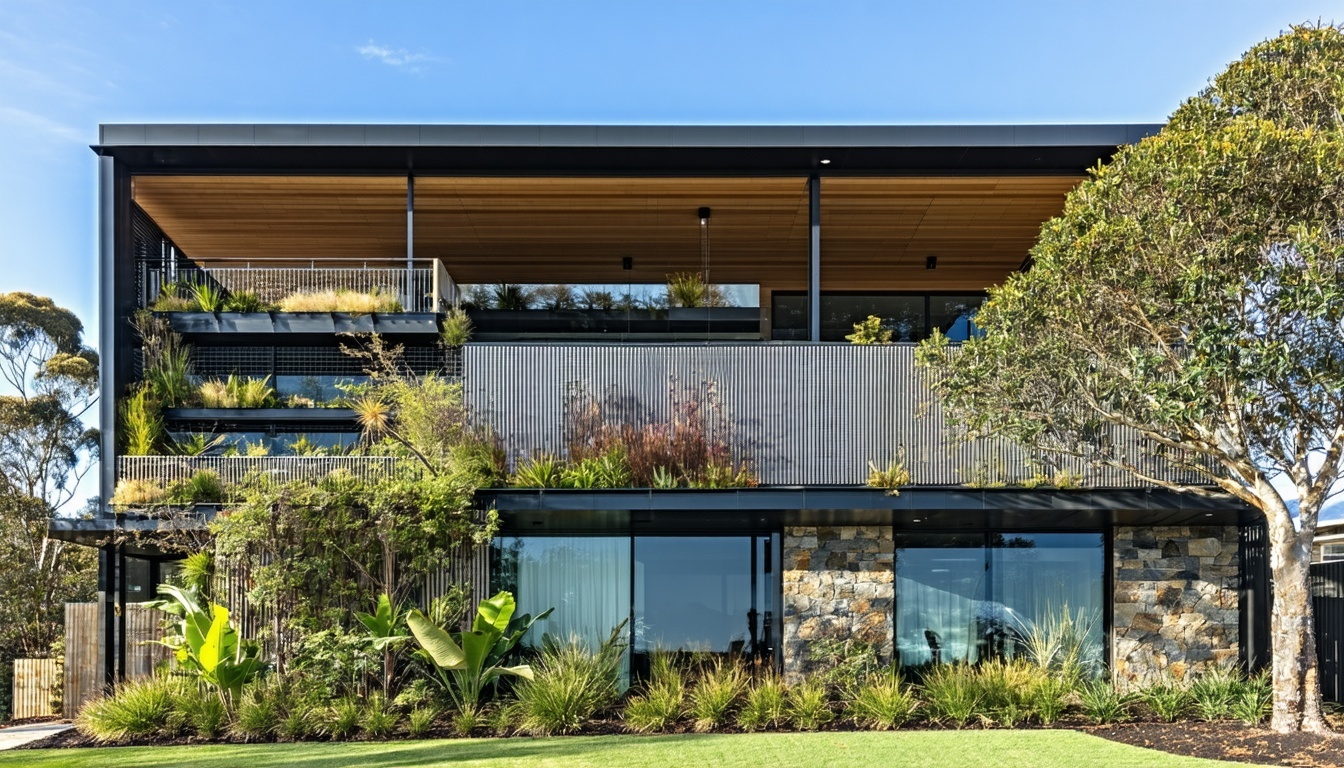
Top 5 Benefits Of Hiring An ESD Consultant For Your Next Development

By Team CE on Sep 16, 2025 4:44:52 PM

Discover the essential advantages of incorporating an ESD consultant in your construction project to ensure sustainable and cost-effective development.
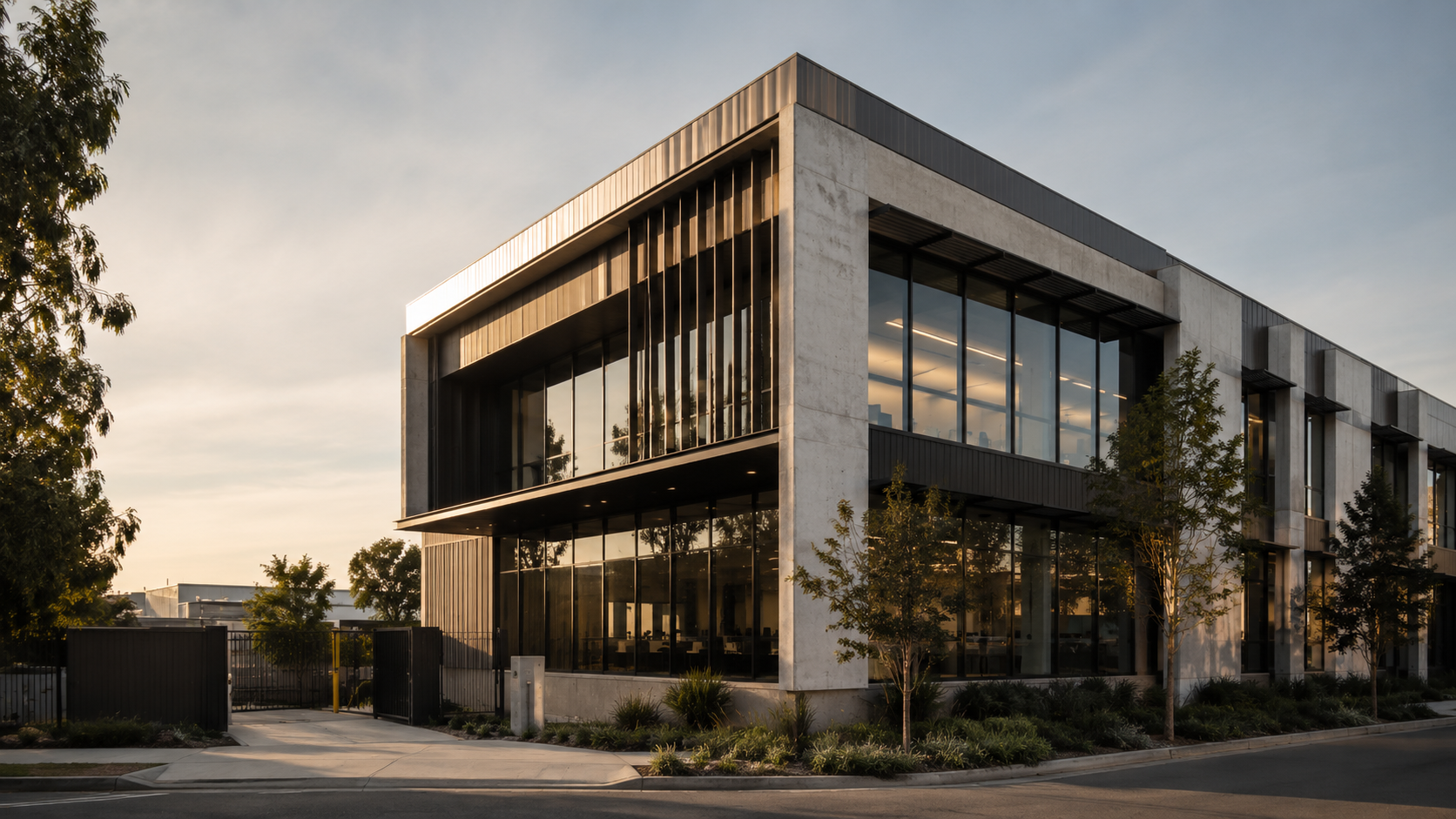
Topics: ESD Consultancy
2 min read

What Is ESD Consultancy? A Complete Guide For Sustainable Building In Australia

By Team CE on Sep 16, 2025 4:17:49 PM

Uncover the role of ESD consultancy in promoting sustainable building practices across Australia.

Topics: ESD Consultancy
17 min read

Top 7 Mistakes in Section J Reports and How to Avoid Them

By Team CE on Sep 16, 2025 3:03:58 PM

A Section J assessment can be technically sound only when the project scope, drawings, specifications and services information describe the same building.

Many compliance problems do not begin with a single calculation error. They arise when the wrong areas are assessed, incomplete information is used, different drawing revisions are combined or the design changes after the report has been prepared.

Not every issue is literally an error inside the Section J Report. Some originate in the architectural design, the supplied documentation, consultant coordination or later product substitutions.

The more useful question is therefore:

Which mistakes most commonly cause a Section J assessment or approval package to require correction?


Topics: Section J Commercial
25 min read

How a Section J Report Is Prepared | Certified Energy

By Team CE on Sep 16, 2025 2:31:23 PM

Section J Assessment Process

A Section J Report is prepared through a coordinated review of the project scope, applicable NCC requirements, building envelope, glazing, sealing and relevant building services.


A Section J Report is not prepared by applying a single checklist to a set of architectural drawings.

The process usually begins by confirming the project scope, building classification, applicable NCC edition and available design information. The assessor then identifies the likely compliance pathway, reviews the building envelope and applicable services, raises design queries and coordinates the required measures with the project team.

The report should be issued only when the assessed design, calculations, schedules and supporting documentation describe the same project. The more useful question is therefore what happens between the initial project review and the final report.

Topics: Section J Commercial
23 min read

Section J Building Fabric, Glazing and Sealing Guide

By Team CE on Sep 16, 2025 1:57:04 PM

Building fabric, glazing and sealing are sometimes treated as separate Section J checklists.

In practice, they form one coordinated building-envelope strategy. The roof, walls, floors, windows, glazed doors, shading and sealing details all need to describe the same conditioned envelope and the same proposed design.

A high-performance window cannot compensate for an incorrectly defined envelope. Additional insulation is not useful if it cannot fit within the proposed construction. A sealing note is difficult to implement if it is not reflected in the door schedules, façade details or specifications.

The more useful question is therefore:

How should building fabric, glazing and sealing be coordinated to support a clear Section J compliance pathway?

Topics: Section J Commercial
19 min read

How to Prepare for a BESS Assessment | Victoria

By Team CE on Sep 8, 2025 11:35:15 AM

Victorian Planning Preparation Guide

A well-prepared BESS assessment begins with the correct project scope, current planning drawings and clear evidence for the sustainability commitments entered into the tool.


Preparing for a BESS assessment involves more than collecting a set of architectural plans. The information entered into BESS must describe the same development shown in the planning documentation, and each claimed credit should be supported by an identifiable drawing reference, schedule, calculation or technical report.

Common problems arise when project areas are entered incorrectly, sustainability measures are nominated before they are documented, or supporting reports relate to an earlier design revision. These inconsistencies may not be apparent from the overall BESS score alone.

This guide focuses on preparing the project information and evidence needed for a credible assessment. For the complete explanation of planning context, assessment scope, scoring and report structure, see the BESS Knowledge Hub.

Topics: BESS Residential Water & Planning
8 min read

Viewshed Analysis for Renewable Energy and Infrastructure Projects

By Team CE on Aug 19, 2025 10:33:52 AM

Viewshed Analysis

Viewshed Analysis for Renewable Energy and Infrastructure Projects

Renewable energy and infrastructure projects are often assessed not only for what they do, but for how they sit within the surrounding landscape.

Topics: Viewshed Analysis
10 min read

Why Councils Request Viewshed Analysis for Development Applications

By Team CE on Aug 19, 2025 10:28:12 AM

Viewshed Analysis

Why Councils Request Viewshed Analysis for Development Applications

Councils may request viewshed analysis when a proposed development needs clearer evidence about where it may be visible from and how it relates to public viewpoints, terrain, landscape context or surrounding built form.

Topics: Viewshed Analysis
10 min read

How Viewshed Analysis Helps Assess Landscape and Community Visibility

By Team CE on Aug 19, 2025 10:19:47 AM

Viewshed Analysis

How Viewshed Analysis Helps Assess Landscape and Community Visibility

Viewshed analysis helps project teams understand where a proposed development may be visible from and how that visibility relates to surrounding landscapes, public viewpoints and community settings.

Topics: Viewshed Analysis
17 min read

How Daylight Modelling Supports Green Star and NCC Compliance

By Team CE on Aug 18, 2025 5:21:42 PM


Green Star and NCC Coordination

Daylight modelling can help commercial project teams understand how natural light, glare, glazing and shading decisions affect indoor environmental quality. It can also support better coordination between Green Star objectives, NCC energy efficiency pathways, Section J and JV3 modelling.

This article explains where daylight modelling fits within commercial sustainability and compliance conversations. For a broader service overview, visit our Daylight Modelling Knowledge Hub.

Topics: Daylight Modelling Design & Planning Intelligence