


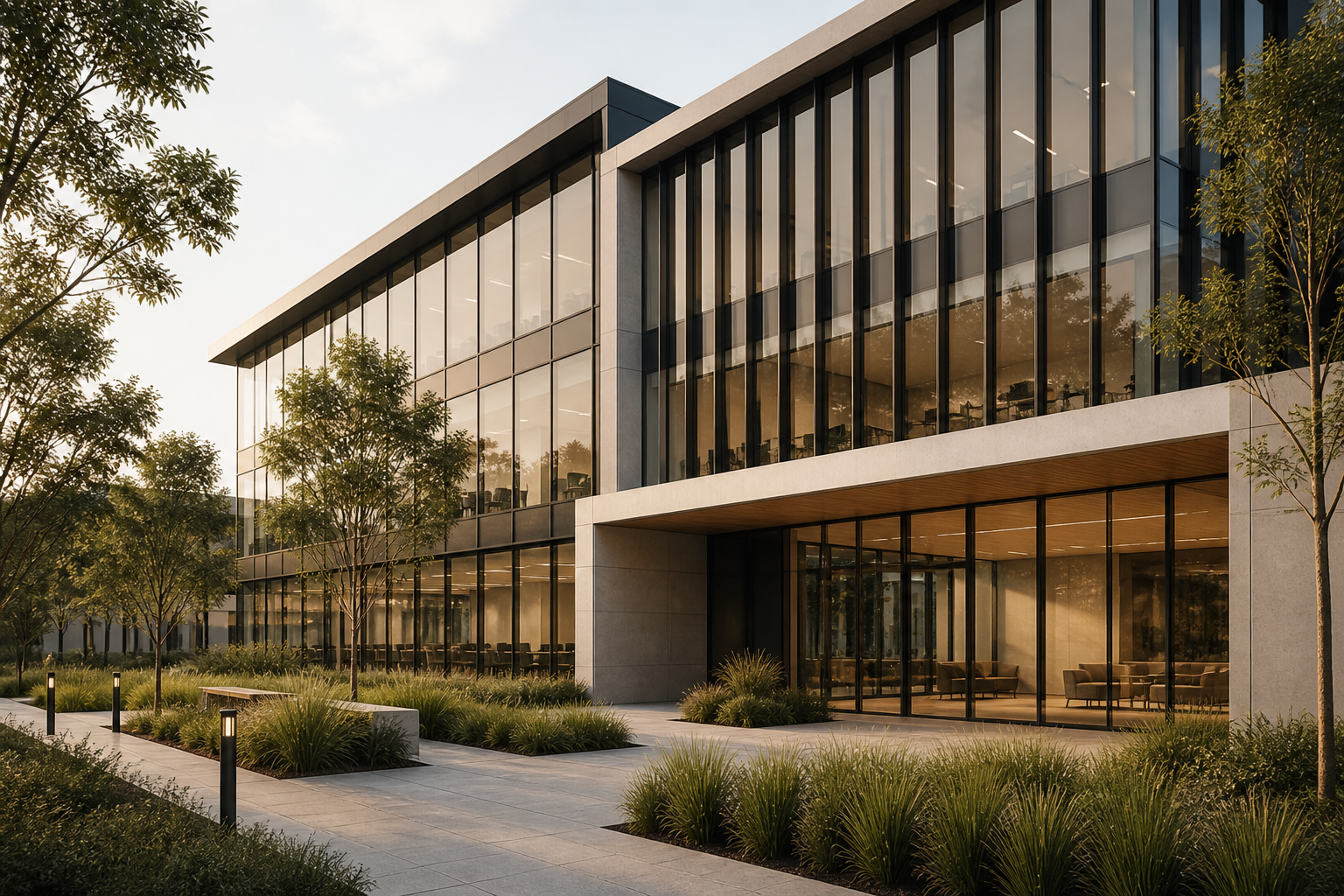
Not all buildings perform as expected.
Even well designed projects can fall short once they are in operation.
Often, it is not one major issue, but a series of small decisions that quietly reduce performance over time.
Understanding these patterns early can make a significant difference.
Mistake 1
Focusing on design instead of operation
A building may be designed efficiently
but NABERS measures how it actually performs in use
If systems are not commissioned properly
or if building management is not aligned with the design intent
performance will drop
The gap between design and operation is one of the most common reasons ratings fall short
Mistake 2
Inefficient building tuning
Many buildings are never properly tuned after completion
HVAC systems run longer than needed
setpoints are not optimised
systems operate independently instead of as one
Small inefficiencies compound over time
leading to higher energy use and lower ratings
Mistake 3
Lack of clear data and monitoring
NABERS relies on real performance data
If energy use is not clearly tracked
or if metering is incomplete
it becomes difficult to identify where improvements are needed
Without visibility, performance cannot be improved
Mistake 4
Over reliance on mechanical systems
Buildings that depend heavily on mechanical heating and cooling
often consume more energy than necessary
Missed opportunities in natural ventilation, passive design, and shading
can significantly impact the final rating
Mistake 5
Tenant and usage behaviour
A building does not operate in isolation
Occupancy patterns, equipment use, and tenant behaviour
all influence performance outcomes
If these are not considered or managed
they can quietly reduce the overall rating
Mistake 6
Delayed performance reviews
Performance issues are often only addressed
once energy costs increase or ratings are assessed
By that point, opportunities have already been missed
Early review and continuous monitoring
allow adjustments before performance declines
What this means for your project
A NABERS rating is not fixed
it reflects how a building is used and managed over time
By identifying these common issues early
you can avoid unnecessary inefficiencies
and create a building that performs as intended
A clearer path forward
Improving a NABERS rating is rarely about one major change
It is about clarity
alignment
and ongoing refinement
When design, systems and operation work together
performance follows