


15 min read

Existing Home Energy Rating vs DTS | Certified Energy

By Team CE on Jun 3, 2026 1:11:29 PM

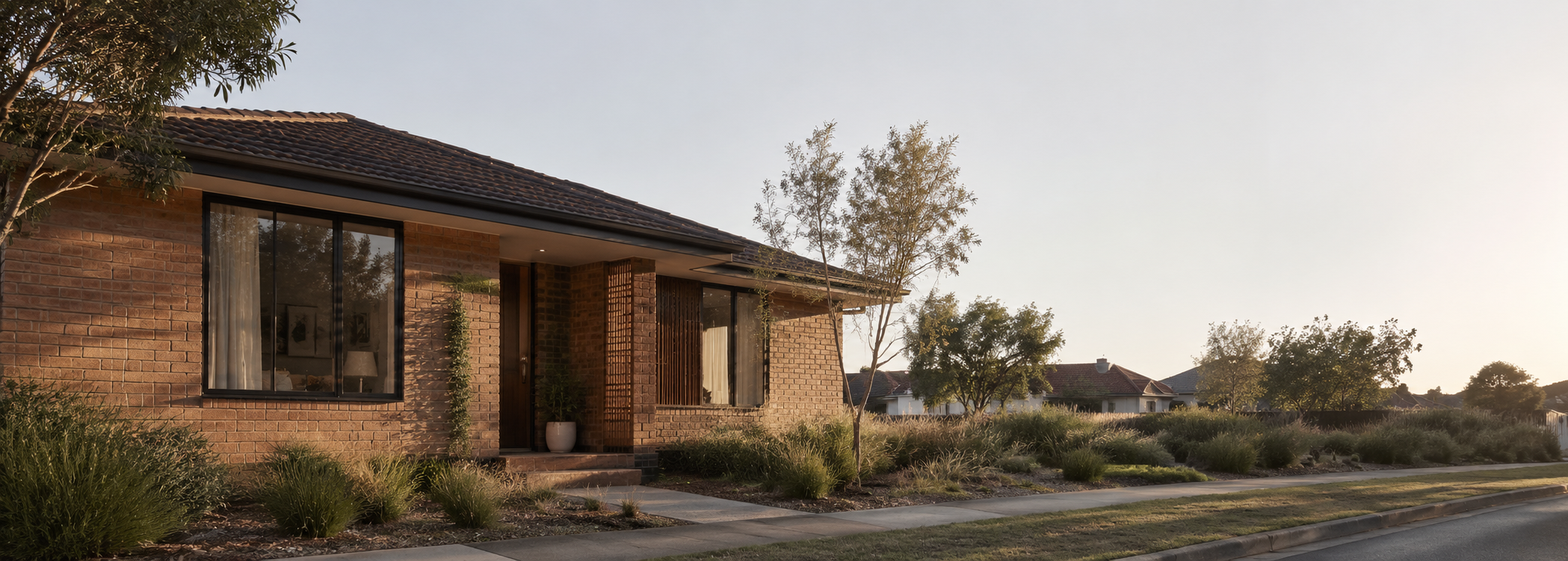
A Home Energy Rating and residential Deemed-to-Satisfy compliance can both become relevant when an existing Australian home is being reviewed, renovated or upgraded.

They do not, however, answer the same question. A Home Energy Rating assesses how an established dwelling performs as it currently exists. DTS compliance demonstrates that proposed building work follows applicable National Construction Code provisions.

Understanding that distinction helps homeowners, renovators and project teams request the correct assessment and avoid treating one document as a substitute for the other.

A Home Energy Rating explains the performance of the existing dwelling. DTS compliance addresses the proposed building solution.

Topics: Home Energy Rating DTS
17 min read

VURB vs DTS: Residential Compliance Pathways

By Team CE on May 30, 2026 9:33:10 AM

Residential energy compliance is not always resolved through one universal assessment pathway. Some dwellings can follow the Deemed-to-Satisfy provisions directly, while others may justify investigation of a Performance Solution supported by comparison with a compliant reference building.

Verification Using a Reference Building, commonly known as VURB, provides a defined comparative method where it is available under the applicable NCC and jurisdictional provisions.

The central question is not whether VURB is generally better or more flexible than DTS. It is whether direct compliance remains the clearest response for the dwelling, or whether a reference-building comparison is legally available, technically appropriate and proportionate to the issue being resolved.

Can the dwelling comply directly through residential DTS, or should a reference-building pathway be investigated?

Topics: VURB Residential Compliance DTS
18 min read

Residential Insulation Requirements Under DTS

By Team CE on May 25, 2026 12:25:59 PM

Residential insulation requirements under the elemental Deemed-to-Satisfy pathway are not defined by one universal R-value for every Australian home.

The applicable response depends on the climate zone, building classification, roof, wall or floor assembly, framing system and other construction conditions identified by the National Construction Code.

The nominated insulation must also be physically capable of being installed continuously and at the thickness needed to achieve its required performance.

Insulation compliance depends on the complete construction response—not simply the R-value printed on an insulation product.

Topics: Residential Compliance DTS
16 min read

How Residential DTS May Apply to Alterations and Additions

By Team CE on May 24, 2026 7:53:00 PM

Alterations and additions can introduce current residential energy-efficiency requirements into a building that was designed and constructed under an earlier regulatory framework.

An extension may include new external walls, roofing, floors, glazing and insulation, while the retained dwelling may contain older construction systems that are difficult to verify or upgrade.

The resulting compliance scope is not identical for every renovation. It depends on the proposed work, building classification, jurisdiction, applicable NCC edition and approval pathway.

The central question is usually not whether the whole existing house meets today’s standards, but which new, altered or affected parts must be addressed for the proposed work.

Topics: Residential Compliance DTS
13 min read

Preparing Residential DTS Documentation for Certifier Review

By Team CE on May 24, 2026 7:50:40 PM

A residential Deemed-to-Satisfy assessment can support the approval process by documenting how the proposed dwelling addresses the applicable energy-efficiency provisions of the National Construction Code.

The technical assessment is only one part of the approval evidence. The drawings, glazing schedules, construction specifications and compliance report must also describe the same building.

Where those documents conflict, the certifier, building surveyor or approval authority may need clarification before relying on the assessment.

Approval-ready DTS documentation depends on consistency between the assessed design and the documents submitted for review.

Topics: Residential Compliance DTS
14 min read

How Building Design Decisions Affect Residential DTS Compliance

By Team CE on May 24, 2026 7:47:19 PM

A residential elemental Deemed-to-Satisfy pathway is shaped by design decisions made long before the final compliance report is prepared.

Window size and location, external shading, roof and wall construction, insulation space and exposed floor conditions can all affect whether the dwelling aligns efficiently with the prescribed energy-efficiency provisions.

Where those matters are reviewed early, the project team has more opportunity to coordinate the design without relying on late specification changes or substantial redesign.

Elemental DTS is often most straightforward when the building form, glazing and construction assemblies have been designed with the prescribed provisions in mind.

Topics: Residential Compliance DTS