


Team CE

Team CE

Articles written by the Certified Energy technical team covering NatHERS, BASIX and building performance in Australia.

Recent posts by Team CE

20 min read

BASIX and Building Orientation in NSW | Certified Energy

By Team CE on May 25, 2026, 1:52:37 PM

NSW Residential Thermal Performance Guide

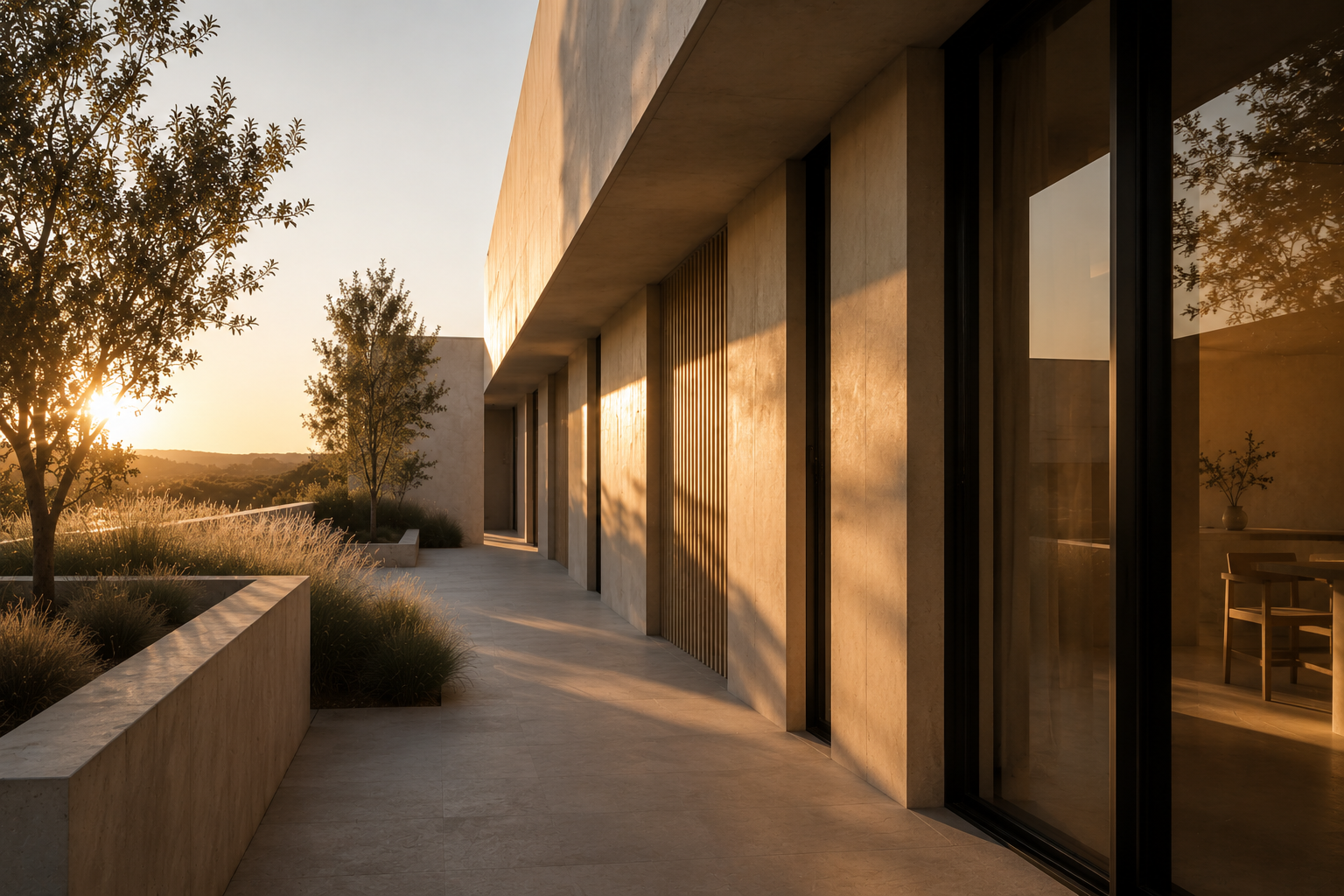
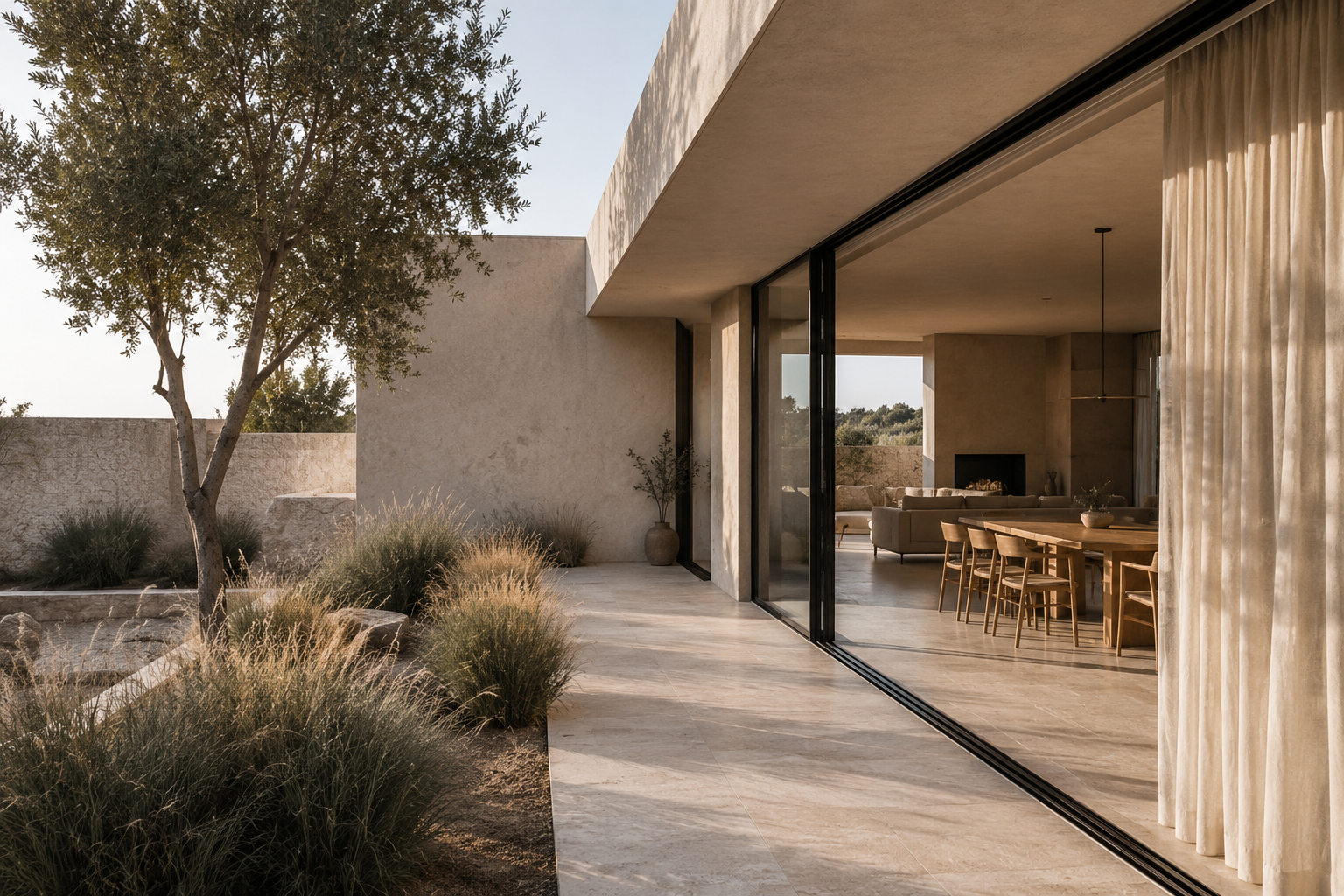
Building orientation affects when sunlight reaches each elevation, how much solar heat enters through glazing and how readily a home can balance winter warmth with summer protection.


Orientation is one of the fundamental inputs shaping residential thermal performance. It influences the solar exposure of walls and windows, the usefulness of winter sunlight, the risk of summer overheating and the effectiveness of different shading arrangements.

Within a BASIX thermal comfort assessment, orientation does not operate as a standalone compliance item. Its effect is expressed through the interaction between the building layout, glazing, shading, insulation, thermal mass, ventilation and the project’s climate conditions.

This guide focuses specifically on that relationship. For the wider BASIX process, targets and NSW submission pathway, visit the BASIX Knowledge Hub.
Topics: BASIX Residential Compliance
3 min read

Why Large Glazing Areas Create Compliance Challenges | Certified Energy

By Team CE on May 25, 2026, 12:32:16 PM

Why can large glazing areas create compliance challenges in residential buildings?

Large glazing areas can significantly affect residential thermal performance under the National Construction Code (NCC).

Topics: NatHERS Energy Efficiency Energy Assessment 7 Star Homes Benefits of 7 Star Homes
18 min read

Residential Insulation Requirements Under DTS

By Team CE on May 25, 2026, 12:25:59 PM

Residential insulation requirements under the elemental Deemed-to-Satisfy pathway are not defined by one universal R-value for every Australian home.

The applicable response depends on the climate zone, building classification, roof, wall or floor assembly, framing system and other construction conditions identified by the National Construction Code.

The nominated insulation must also be physically capable of being installed continuously and at the thickness needed to achieve its required performance.

Insulation compliance depends on the complete construction response—not simply the R-value printed on an insulation product.

Topics: Residential Compliance DTS
4 min read

Future Trends in Residential Energy Compliance | Certified Energy

By Team CE on May 25, 2026, 12:18:00 PM

Residential energy compliance requirements continue to evolve across Australia as building standards respond to changing expectations around thermal comfort, energy efficiency and long-term building performance.

Topics: NatHERS Energy Efficiency Energy Assessment 7 Star Homes Benefits of 7 Star Homes
16 min read

How Residential DTS May Apply to Alterations and Additions

By Team CE on May 24, 2026, 7:53:00 PM

Alterations and additions can introduce current residential energy-efficiency requirements into a building that was designed and constructed under an earlier regulatory framework.

An extension may include new external walls, roofing, floors, glazing and insulation, while the retained dwelling may contain older construction systems that are difficult to verify or upgrade.

The resulting compliance scope is not identical for every renovation. It depends on the proposed work, building classification, jurisdiction, applicable NCC edition and approval pathway.

The central question is usually not whether the whole existing house meets today’s standards, but which new, altered or affected parts must be addressed for the proposed work.

Topics: Residential Compliance DTS
13 min read

Preparing Residential DTS Documentation for Certifier Review

By Team CE on May 24, 2026, 7:50:40 PM

A residential Deemed-to-Satisfy assessment can support the approval process by documenting how the proposed dwelling addresses the applicable energy-efficiency provisions of the National Construction Code.

The technical assessment is only one part of the approval evidence. The drawings, glazing schedules, construction specifications and compliance report must also describe the same building.

Where those documents conflict, the certifier, building surveyor or approval authority may need clarification before relying on the assessment.

Approval-ready DTS documentation depends on consistency between the assessed design and the documents submitted for review.

Topics: Residential Compliance DTS
15 min read

How Building Design Decisions Affect Residential DTS Compliance

By Team CE on May 24, 2026, 7:47:19 PM

A residential elemental Deemed-to-Satisfy pathway is shaped by design decisions made long before the final compliance report is prepared.

Window size and location, external shading, roof and wall construction, insulation space and exposed floor conditions can all affect whether the dwelling aligns efficiently with the prescribed energy-efficiency provisions.

Where those matters are reviewed early, the project team has more opportunity to coordinate the design without relying on late specification changes or substantial redesign.

Elemental DTS is often most straightforward when the building form, glazing and construction assemblies have been designed with the prescribed provisions in mind.

Topics: Residential Compliance DTS
22 min read

What Is BASIX? NSW Certificate and Assessment Explained

By Team CE on May 23, 2026, 2:41:25 PM

What Is BASIX?

BASIX is the Building Sustainability Index used for residential development in New South Wales. It forms part of the NSW planning and approval system and establishes project-specific requirements for water use, energy use and thermal performance.

A BASIX assessment uses information about the proposed dwelling, including its location, size, glazing, construction, insulation, water measures and building services. The assessment also records construction materials so the embodied emissions associated with the development can be calculated and reported.

Once the applicable BASIX requirements have been satisfied, a BASIX Certificate can be generated. The Certificate lists the sustainability commitments that must correspond with the approval plans and be carried through into the completed development.

Topics: BASIX Residential Compliance
20 min read

When is BASIX Required in NSW? | BASIX Certificate Requirements

By Team CE on May 23, 2026, 2:04:24 PM

NSW Residential Compliance Guide

BASIX is required for most new residential development in New South Wales, as well as qualifying alterations, additions, swimming pools and spas.


Determining whether BASIX applies is one of the first residential compliance questions to resolve before lodging a Development Application or Complying Development Certificate application in NSW.

The requirement is not based only on whether a project appears large or whether it changes the thermal performance of the home. BASIX applicability is established through defined development types, cost thresholds and pool or spa capacity thresholds.

This guide focuses specifically on when a BASIX Certificate is required. For a broader explanation of BASIX targets, commitments and the assessment process, visit the BASIX Knowledge Hub.

Topics: BASIX Residential Compliance
30 min read

BASIX Materials Index and Embodied Emissions NSW

By Team CE on May 23, 2026, 1:44:43 PM

The BASIX Materials Index calculates and reports the embodied emissions associated with construction materials entered for an applicable residential development in New South Wales.

Unlike the BASIX Water and Energy sections, the Materials Index does not currently apply a separate score or emissions limit that the project must achieve. Its present role is to quantify material-related emissions and record them within the BASIX assessment.

The result depends on the proposed building geometry, construction areas and selected material systems. Accurate information is therefore important even though the Materials Index is currently a reporting requirement rather than a standalone performance target.

Topics: BASIX Residential Compliance