
Understanding BASIX Benchmarks in NSW
BASIX benchmarks form part of the NSW planning system and are used to assess the environmental performance of residential developments across New South Wales.
The benchmarks establish minimum performance requirements relating to:
- water efficiency
- energy use
- thermal comfort
- overall residential building performance
These requirements apply to many residential projects, including new homes, alterations and additions, duplexes and multi-dwelling developments.
Understanding how BASIX benchmarks operate early in the design process can help improve compliance outcomes, reduce redesigns and support more efficient building performance over time.
What Are BASIX Benchmarks?
BASIX benchmarks are performance targets established under the NSW Building Sustainability Index (BASIX).
The benchmarks are used to evaluate whether a proposed residential development meets the required sustainability standards before approval can be issued through the NSW planning system.
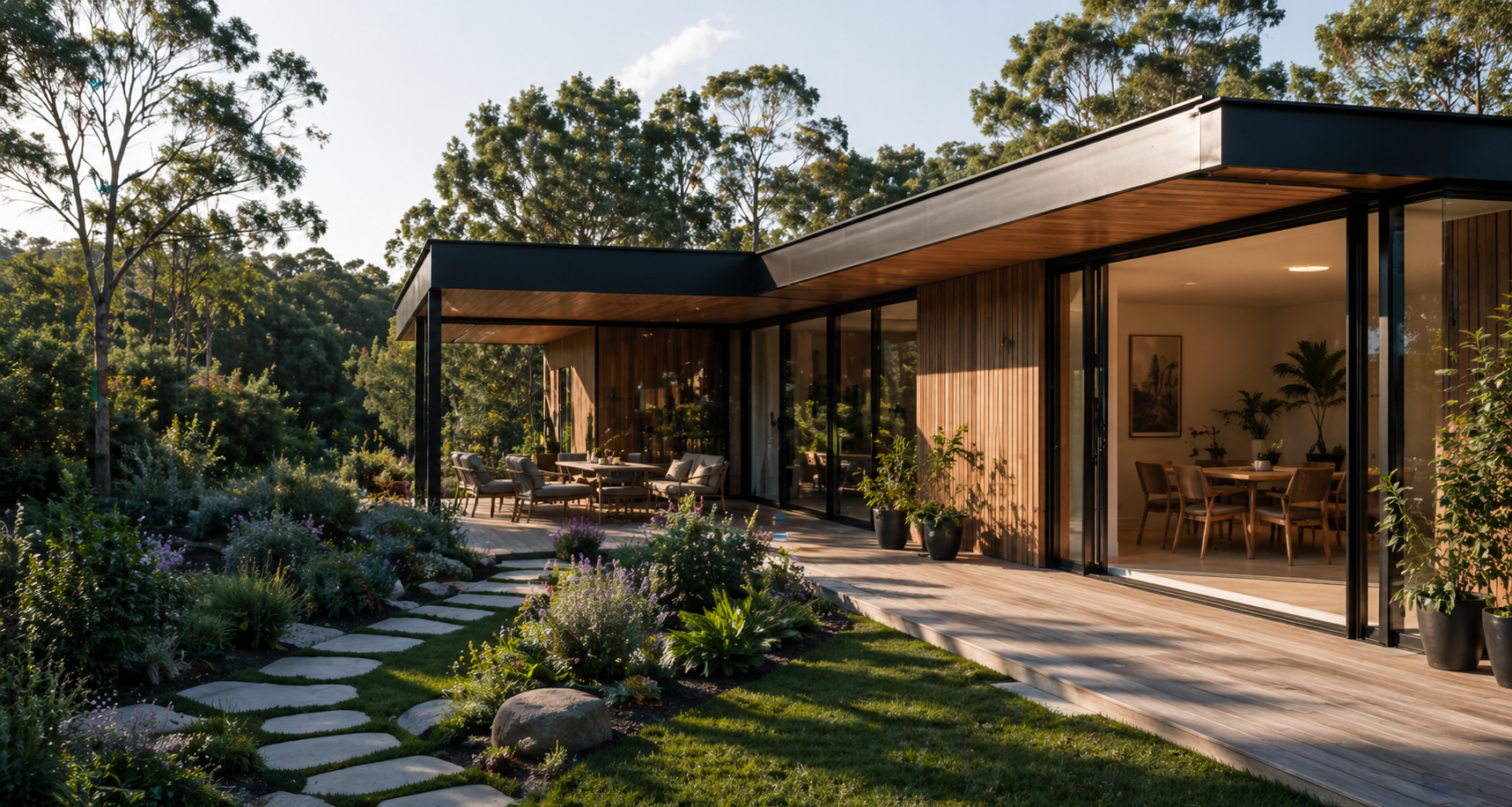
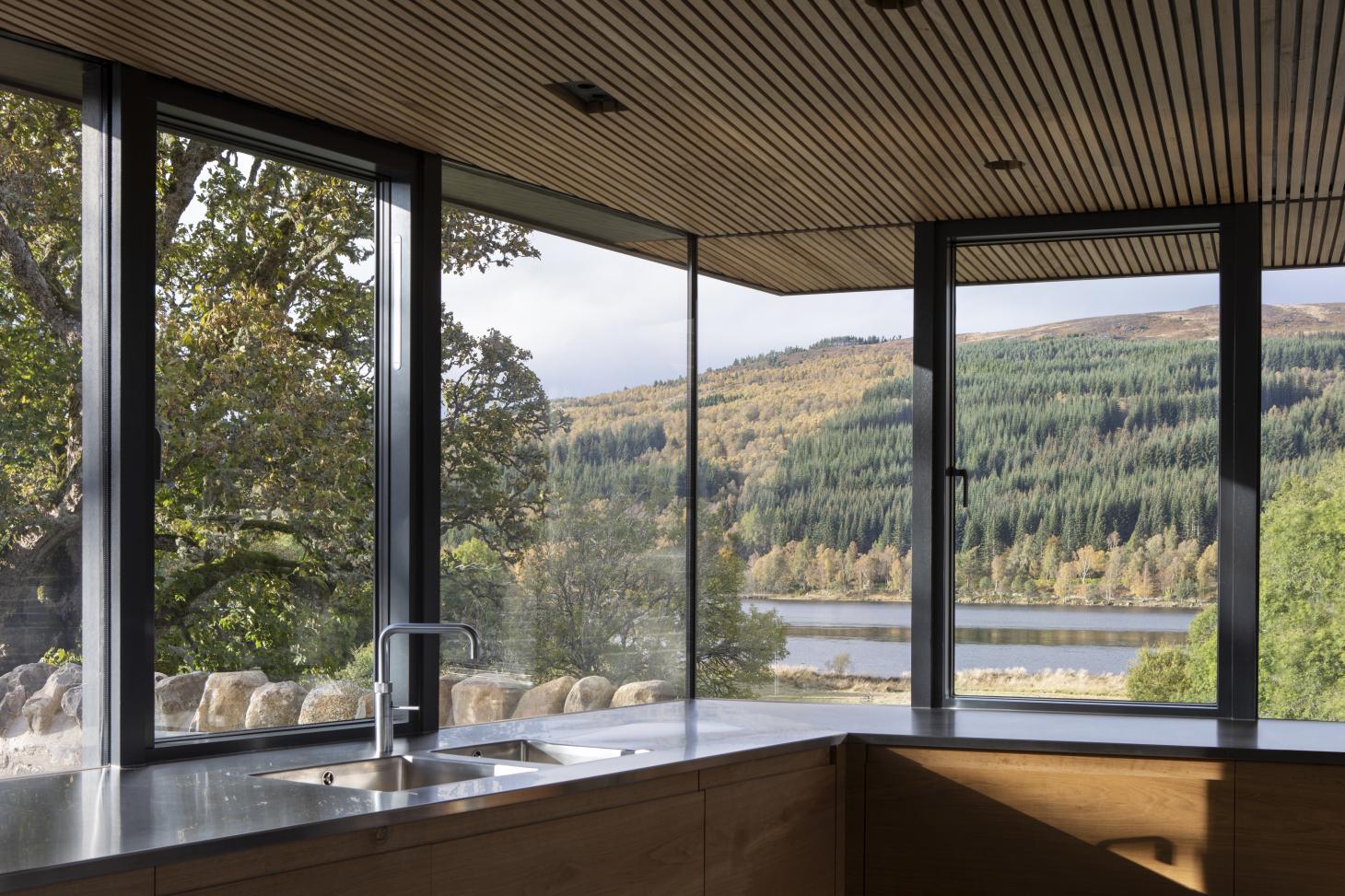
Rather than focusing on a single design element, BASIX considers how different components of the home work together as part of the overall building performance.
This may include factors such as:
- glazing performance
- insulation levels
- orientation
- shading
- hot water systems
- lighting efficiency
- water-saving fixtures
- ventilation design
The required benchmark outcomes can vary depending on:
- climate zone
- dwelling type
- project scale
- development pathway
BASIX Water Benchmarks
Water benchmarks are intended to reduce potable water consumption across residential developments in NSW.
The assessment may consider:
- rainwater harvesting systems
- WELS-rated fixtures
- landscape water use
- hot water efficiency
- plumbing systems
- appliance performance
Water reduction targets differ across NSW climate regions and project types.
In many projects, early planning around rainwater storage, fixture selection and plumbing design can significantly improve BASIX water performance outcomes.
BASIX Energy Benchmarks
Energy benchmarks assess the projected energy performance of the proposed residential development.
This can include consideration of:
- glazing systems
- insulation
- lighting efficiency
- hot water systems
- appliance selection
- building fabric performance
Energy performance is closely connected to passive design principles and thermal comfort outcomes.
Well-considered orientation, shading and building envelope design can often improve energy efficiency without relying solely on additional mechanical systems or higher-specification products.
Thermal Comfort Requirements
Thermal comfort forms a major component of BASIX compliance for many residential developments in NSW.
The assessment evaluates how effectively the home maintains comfortable indoor temperatures throughout the year.
This may involve analysis of:
- solar heat gain
- glazing performance
- insulation
- ventilation
- thermal mass
- shading
- building orientation
For many projects, thermal comfort compliance is assessed using NatHERS software.
NatHERS modelling provides a more detailed analysis of the home’s thermal performance across different climate conditions and seasons.
How BASIX Benchmarks Vary Across NSW
BASIX benchmarks are not identical across all projects or regions.
Requirements can vary depending on:
- NSW climate zone
- dwelling type
- apartment versus standalone housing
- development scale
- site conditions
- local planning controls
For example, homes located in warmer climate zones may face different thermal comfort and glazing considerations compared to projects in cooler regions of New South Wales.
Because of these variations, BASIX assessments are typically tailored to the specific project rather than applied as a fixed checklist.
BASIX Benchmarks and NatHERS
BASIX and NatHERS often operate together as part of the residential approval process in NSW.
While BASIX establishes the broader sustainability framework, NatHERS is commonly used to assess the thermal comfort component of the development.
Using NatHERS modelling can provide greater flexibility when balancing:
- glazing performance
- insulation
- shading
- orientation
- thermal comfort outcomes
This can often support more cost-effective and better-performing building designs compared to relying solely on simplified thermal assessment methods.
Common BASIX Benchmark Challenges
Some of the most common issues affecting BASIX benchmark performance include:
- excessive west-facing glazing
- poor orientation
- insufficient shading
- inadequate insulation
- inefficient hot water systems
- late-stage design changes
- limited passive solar consideration
Addressing these issues earlier in the design phase can help avoid unnecessary redesigns and improve approval efficiency.
Early-Stage BASIX Planning
BASIX performance is often easier and more cost-effective to achieve when sustainability considerations are integrated early in the design process.
Coordination between:
- architectural design
- thermal performance modelling
- glazing selection
- passive solar design
- planning documentation
can help support smoother approvals and stronger long-term building performance outcomes.
Frequently Asked Questions
What is a BASIX benchmark?
A BASIX benchmark is a sustainability performance target used to assess residential developments in NSW across areas such as water efficiency, energy use and thermal comfort.
Do BASIX benchmarks vary across NSW?
Yes. BASIX requirements can vary depending on climate zone, project type and dwelling design.
Are BASIX benchmarks linked to NatHERS?
Yes. NatHERS modelling is commonly used to assess the thermal comfort component of BASIX compliance.
Do renovations need to meet BASIX benchmarks?
Many alterations and additions in NSW require BASIX assessments where the value of works exceeds planning thresholds.
Can building orientation affect BASIX outcomes?
Yes. Orientation can significantly influence thermal comfort, glazing performance and overall energy efficiency outcomes.