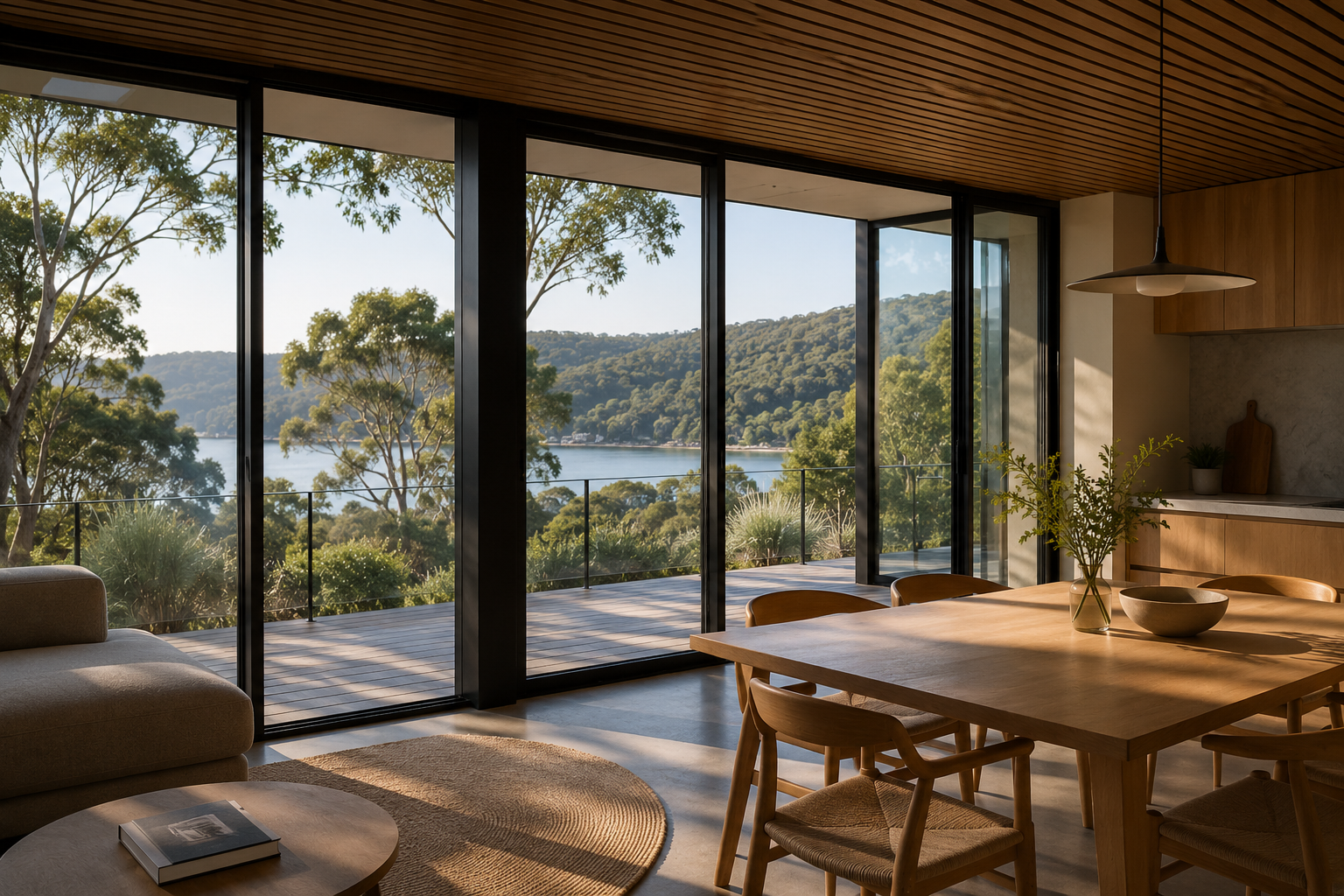



Glazing plays a significant role in the thermal performance of commercial buildings.
While large areas of glass can support natural light, views and architectural intent, glazing systems also directly influence heat gain, heat loss and overall energy efficiency under Section J of the National Construction Code (NCC).
For many commercial projects, facade design becomes one of the most important factors affecting compliance outcomes and long-term building performance.
The Relationship Between Glazing and Building Performance
Glass behaves differently from insulated wall systems.
Depending on the glazing type, orientation and facade design, windows can allow significant amounts of solar heat into a building or contribute to unwanted heat loss during cooler periods.
This directly affects:
- thermal comfort
- HVAC loads
- operational energy use
- occupant experience
- overall building efficiency
Under Section J, glazing performance is assessed as part of the broader energy efficiency strategy for the building.
Solar Heat Gain and Thermal Comfort
One of the key considerations in glazing performance is solar heat gain.
In warmer Australian climates, excessive solar gain can increase internal temperatures and place additional demand on air-conditioning systems. In cooler climates, uncontrolled heat loss through glazing can reduce thermal efficiency during winter.
Factors such as:
- glass specification
- shading systems
- facade orientation
- glazing ratios
- frame performance
- external shading devices
can all influence how the building responds to solar exposure throughout the year.
Balancing daylight access with thermal performance is often one of the central challenges in commercial facade design.
Orientation and Facade Design
The orientation of glazing can significantly influence building performance outcomes.
Large western facades, for example, may experience high afternoon solar loads, while northern glazing strategies may respond differently depending on shading design and climate zone.
Early coordination between architects, facade consultants and Section J consultants can help identify performance risks before documentation is finalised.
This often allows greater flexibility in facade design while still supporting compliance outcomes under the NCC.
Glazing Performance Under Section J
Section J assessments may consider a range of glazing-related performance factors, including:
- U-values
- Solar Heat Gain Coefficient (SHGC)
- glazing ratios
- visible light transmission
- thermal bridging
- facade performance
Depending on the project, compliance may follow either a Deemed-to-Satisfy (DTS) pathway or a JV3 Performance Solution using thermal modelling.
For more complex commercial developments, JV3 modelling can provide greater flexibility by assessing how the building performs as an integrated system rather than relying solely on prescriptive elemental requirements.
Early Coordination Matters
Glazing decisions made late in a project can significantly affect compliance pathways, facade performance and project costs.
Early energy modelling and facade coordination can help project teams:
- reduce redesign risks
- improve thermal performance
- streamline approvals
- support architectural intent
- optimise operational efficiency
For many commercial projects, thermal performance is not determined by a single glazing specification alone, but by how the entire facade system works together within the broader building design.
Commercial Building Performance Across Australia
Commercial glazing performance requirements vary across Australia depending on climate zone, building classification and project type under the National Construction Code (NCC).
At Certified Energy, we work with architects, developers and project teams across Australia to assess glazing performance, Section J compliance and JV3 modelling strategies for commercial developments of varying scale and complexity.