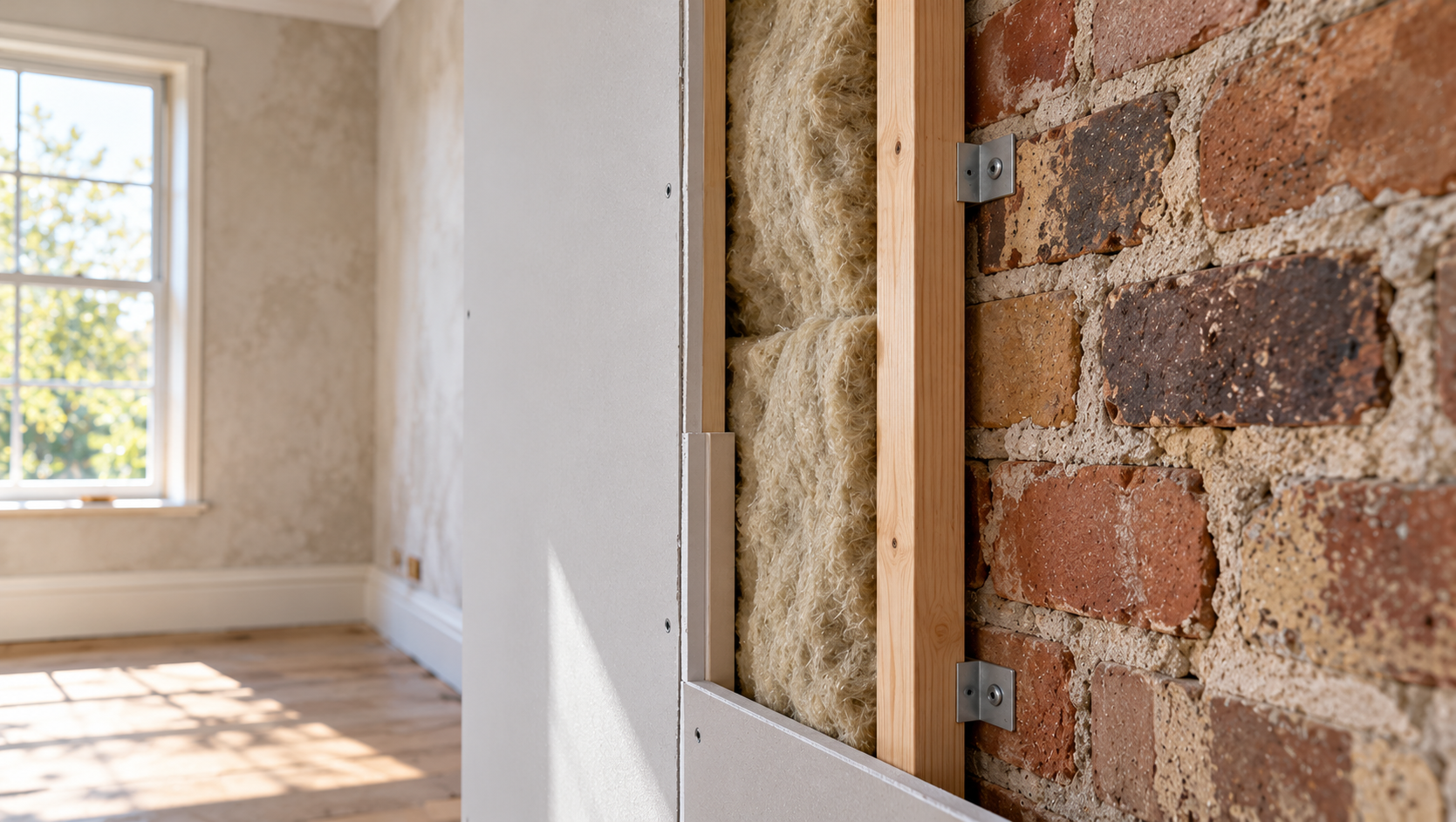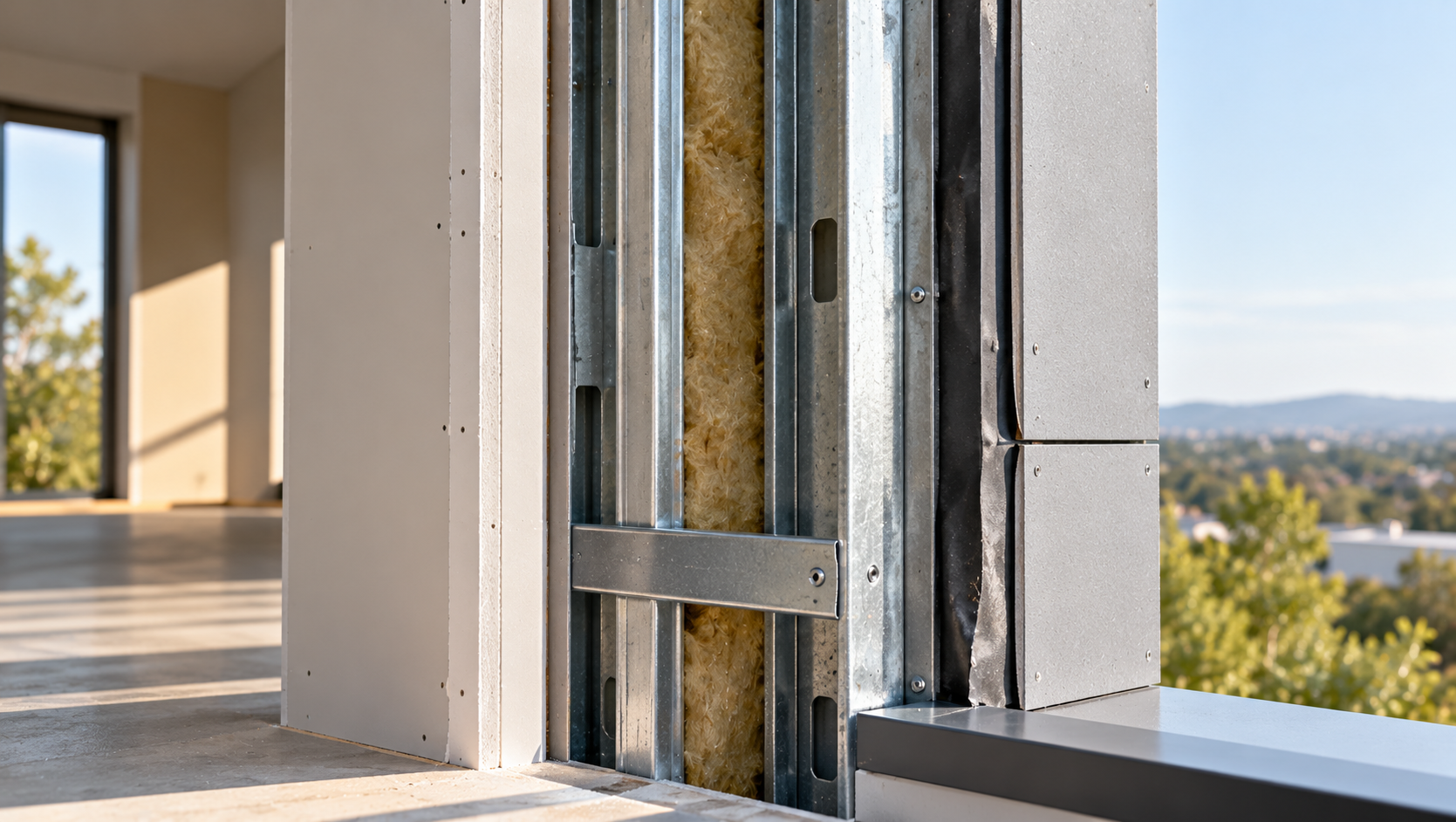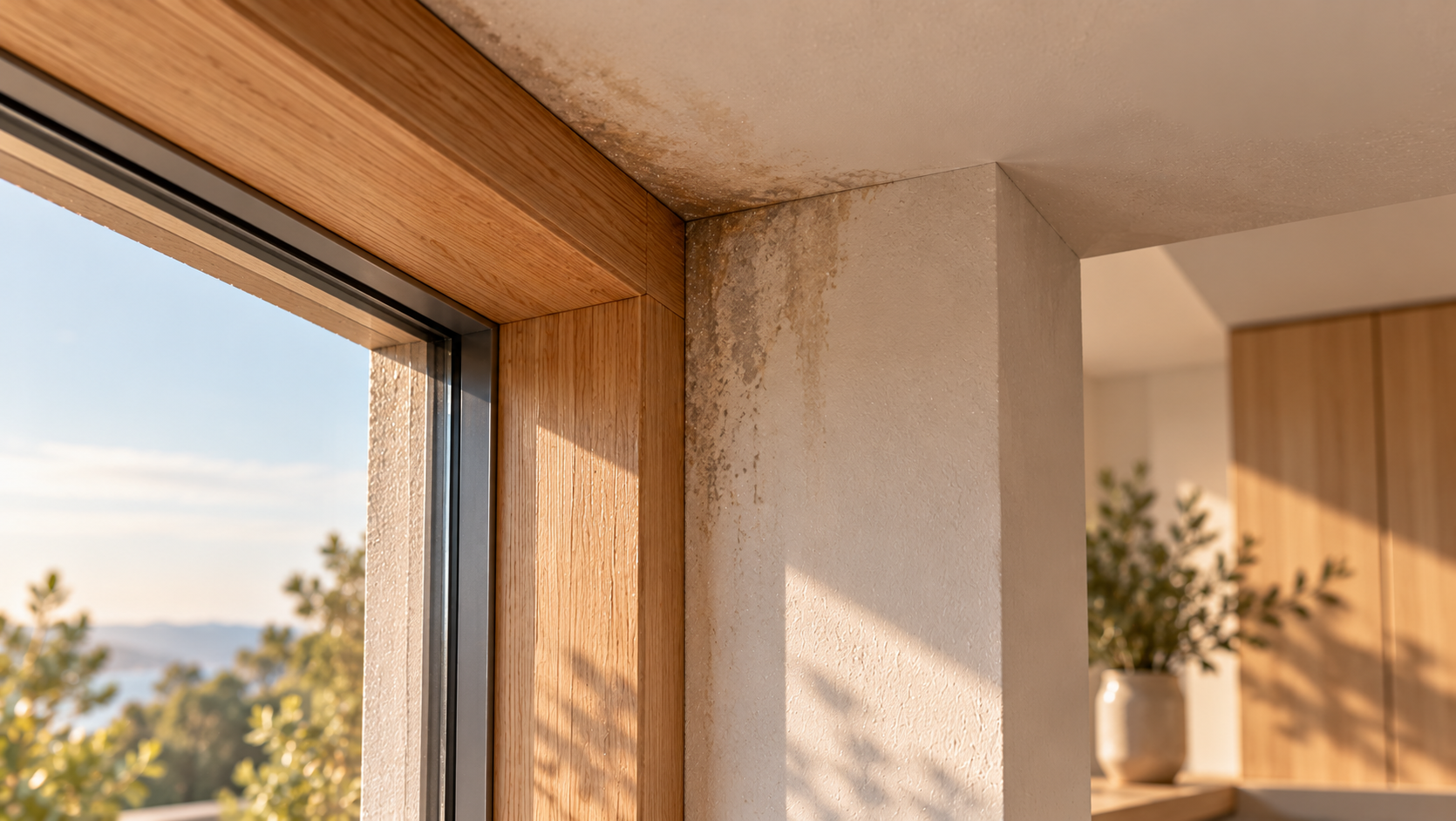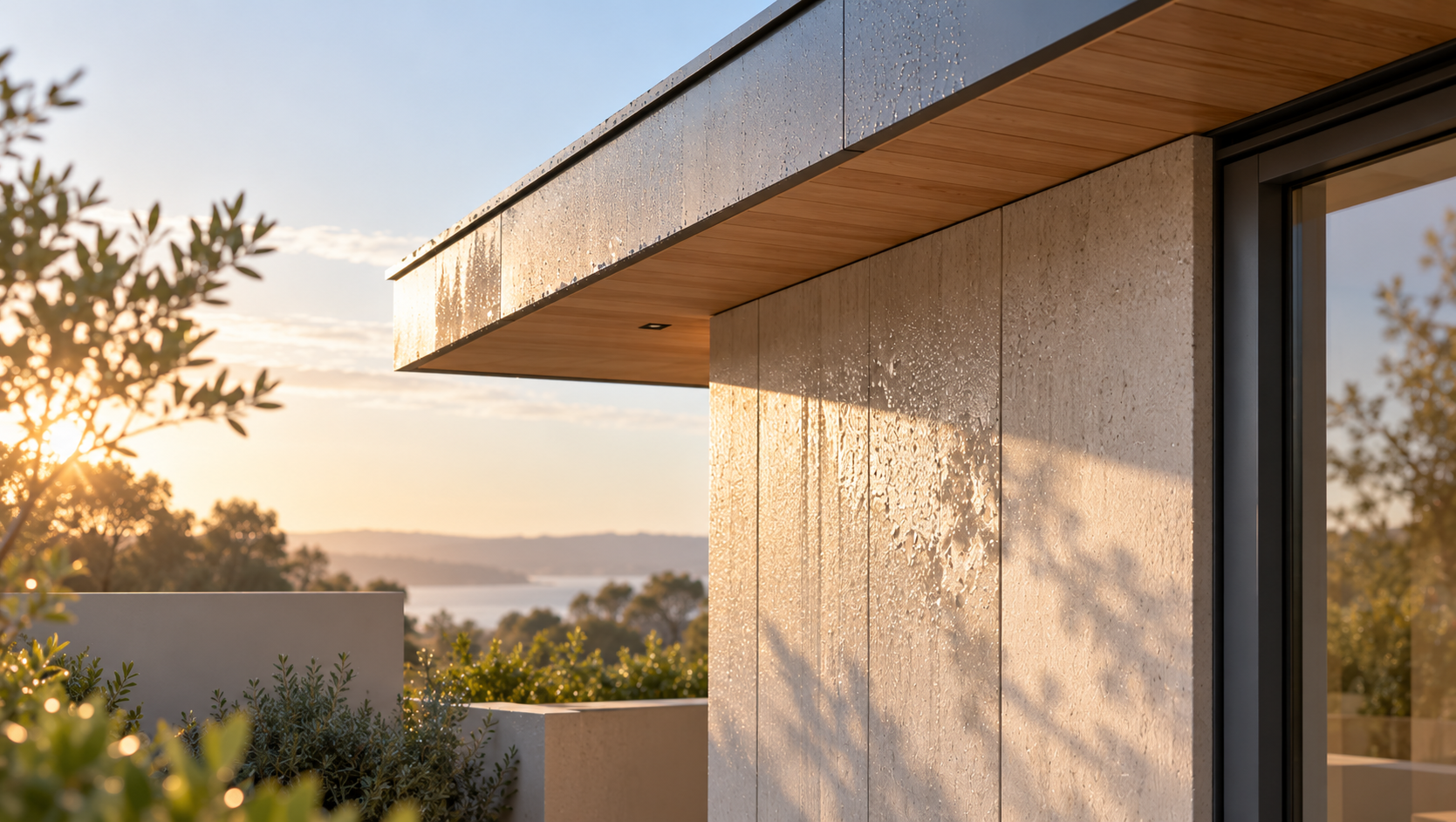



Condensation risk within a building envelope is often influenced by the relationship between temperature, moisture movement, material properties and the arrangement of construction layers. Where an assessment identifies potentially adverse moisture conditions, the next question is how the proposed design can respond.
There is no single construction detail or membrane arrangement that resolves every condensation concern. A design response needs to address the moisture mechanism involved, the location of the risk and the environmental conditions under which it occurs.
For architects and project teams, reducing condensation risk is therefore a process of identifying the concern, considering appropriate construction changes and checking whether those changes improve the relevant moisture performance without creating unintended consequences elsewhere.
Effective condensation risk reduction begins with understanding why moisture conditions develop, not with selecting a product before the problem is defined.