


Commercial Sustainability
Green Star vs Section J: Sustainability Rating vs NCC Compliance
Green Star and Section J can both influence the design and performance of commercial buildings, but they perform fundamentally different roles.

Commercial Sustainability
Green Star and Section J can both influence the design and performance of commercial buildings, but they perform fundamentally different roles.

NSW Building Compliance
BASIX and Section J both relate to building performance and approval documentation, but they apply to different parts of the Australian building compliance system.

Commercial Façade Compliance
The NCC Façade Calculator helps project teams assess whether proposed wall and glazing construction satisfies the relevant Deemed-to-Satisfy provisions for commercial building envelopes.
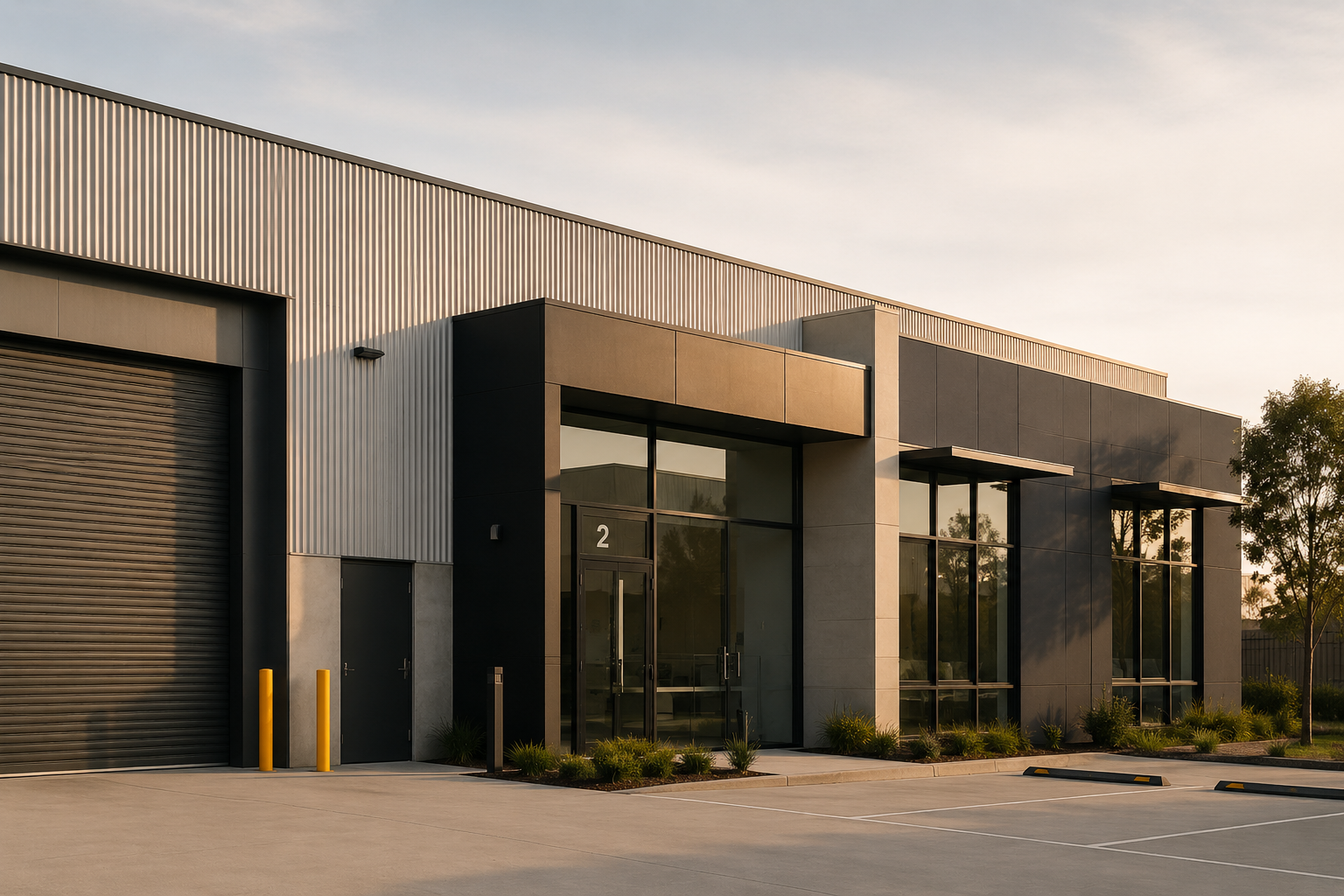
For most commercial building projects, the first step is a practical review of the available drawings, schedules and design information. These documents help the assessor understand the building classification, envelope, glazing, construction systems and relevant building services.
The documentation does not always need to be final before an initial review begins. It does, however, need to be clear enough to identify the building, the proposed work and the likely energy-efficiency compliance pathway.
The more useful question is therefore:
Which documents are needed now, and which details must be confirmed before the Section J Report can be finalised?

A Section J assessment can be technically sound only when the project scope, drawings, specifications and services information describe the same building.
Many compliance problems do not begin with a single calculation error. They arise when the wrong areas are assessed, incomplete information is used, different drawing revisions are combined or the design changes after the report has been prepared.
Not every issue is literally an error inside the Section J Report. Some originate in the architectural design, the supplied documentation, consultant coordination or later product substitutions.
The more useful question is therefore:
Which mistakes most commonly cause a Section J assessment or approval package to require correction?

Section J Assessment Process
A Section J Report is prepared through a coordinated review of the project scope, applicable NCC requirements, building envelope, glazing, sealing and relevant building services.
A Section J Report is not prepared by applying a single checklist to a set of architectural drawings.
The process usually begins by confirming the project scope, building classification, applicable NCC edition and available design information. The assessor then identifies the likely compliance pathway, reviews the building envelope and applicable services, raises design queries and coordinates the required measures with the project team.
The report should be issued only when the assessed design, calculations, schedules and supporting documentation describe the same project. The more useful question is therefore what happens between the initial project review and the final report.

Building fabric, glazing and sealing are sometimes treated as separate Section J checklists.
In practice, they form one coordinated building-envelope strategy. The roof, walls, floors, windows, glazed doors, shading and sealing details all need to describe the same conditioned envelope and the same proposed design.
A high-performance window cannot compensate for an incorrectly defined envelope. Additional insulation is not useful if it cannot fit within the proposed construction. A sealing note is difficult to implement if it is not reflected in the door schedules, façade details or specifications.
The more useful question is therefore:
How should building fabric, glazing and sealing be coordinated to support a clear Section J compliance pathway?
The cost of Section J compliance is not limited to the fee for preparing a report.
The wider project cost can also be affected by the timing of the assessment, the quality of the available documentation, the number of design revisions and the way glazing, insulation, lighting and building services are coordinated.
A lower assessment fee does not necessarily produce the lowest overall project cost. An incomplete or poorly coordinated response can lead to additional modelling, revised drawings, product substitutions and approval delays.
The more useful question is therefore:
How can the project control Section J compliance costs without creating design, documentation or approval risk?
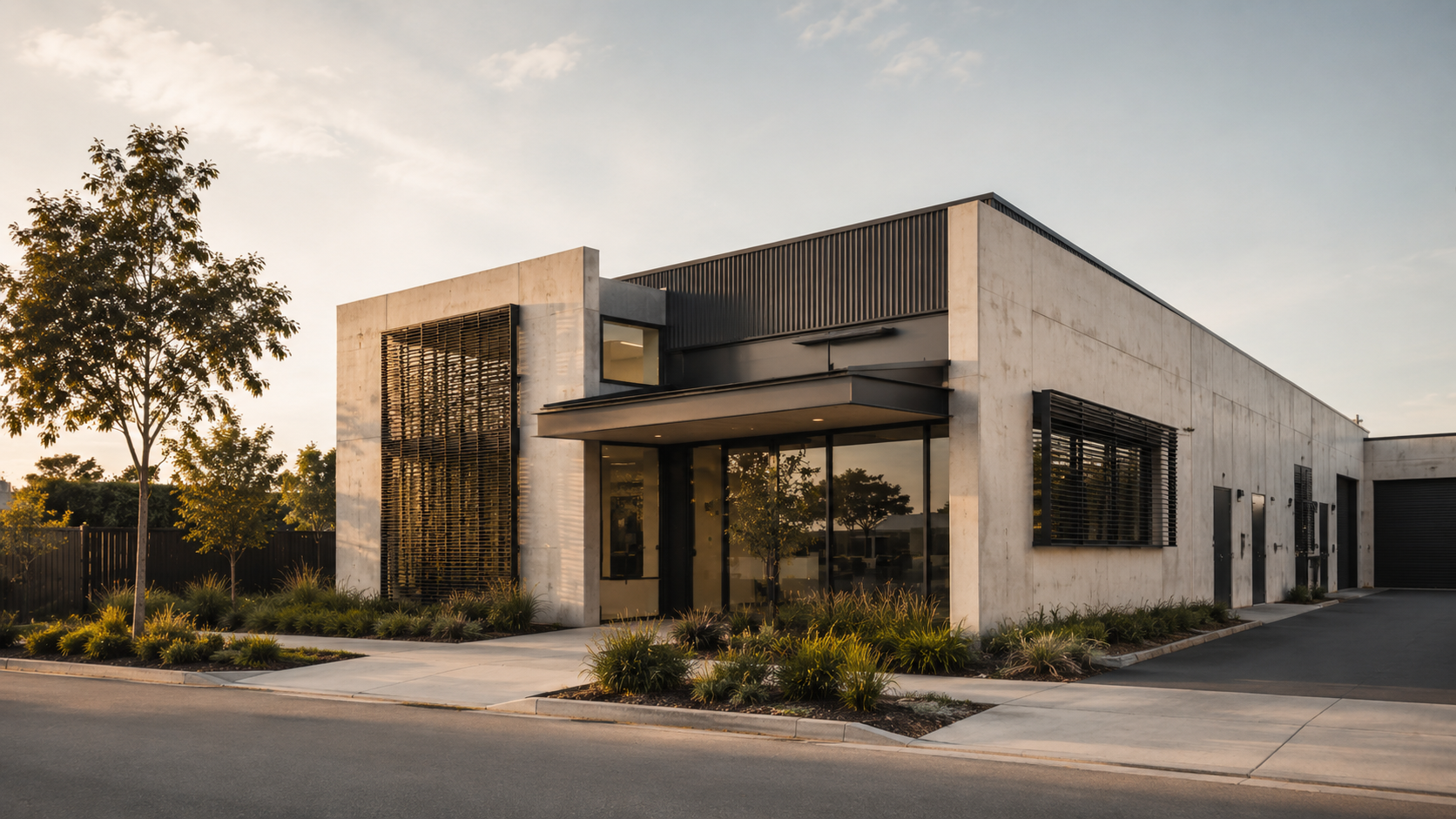
Section J is often associated with new commercial buildings, but it may also become relevant when an existing building is extended, refurbished, fitted out or changed to a different use.
Whether an assessment is required depends on the building classification, the proposed scope of work, the applicable National Construction Code provisions and the requirements of the certifier, building surveyor or approval authority.
Not every commercial renovation requires the entire existing building to be upgraded. However, work affecting the building fabric, glazing, lighting, air-conditioning or other regulated services may need to address relevant energy-efficiency requirements.
The more useful question is therefore:
Does Section J apply to the proposed building work, and which parts of the project need to be assessed?

Choosing between a Section J Deemed-to-Satisfy assessment and JV3 modelling can influence the façade, glazing, insulation, services coordination and approval strategy of a commercial building.
The decision is often described as “Section J versus JV3”. Technically, that is not quite the correct comparison.
Section J establishes energy-efficiency requirements for relevant projects assessed under NCC Volume One. A Deemed-to-Satisfy Solution and a JV3-supported Performance Solution are different ways of demonstrating that the applicable requirements have been addressed.
Should the project follow the applicable Section J Deemed-to-Satisfy provisions, or would a JV3 performance pathway provide a more suitable response?
