


WELL Rating

Team CE
Recent posts by Team CE
6 min read
How WELL Rating Relates to Indoor Environmental Quality
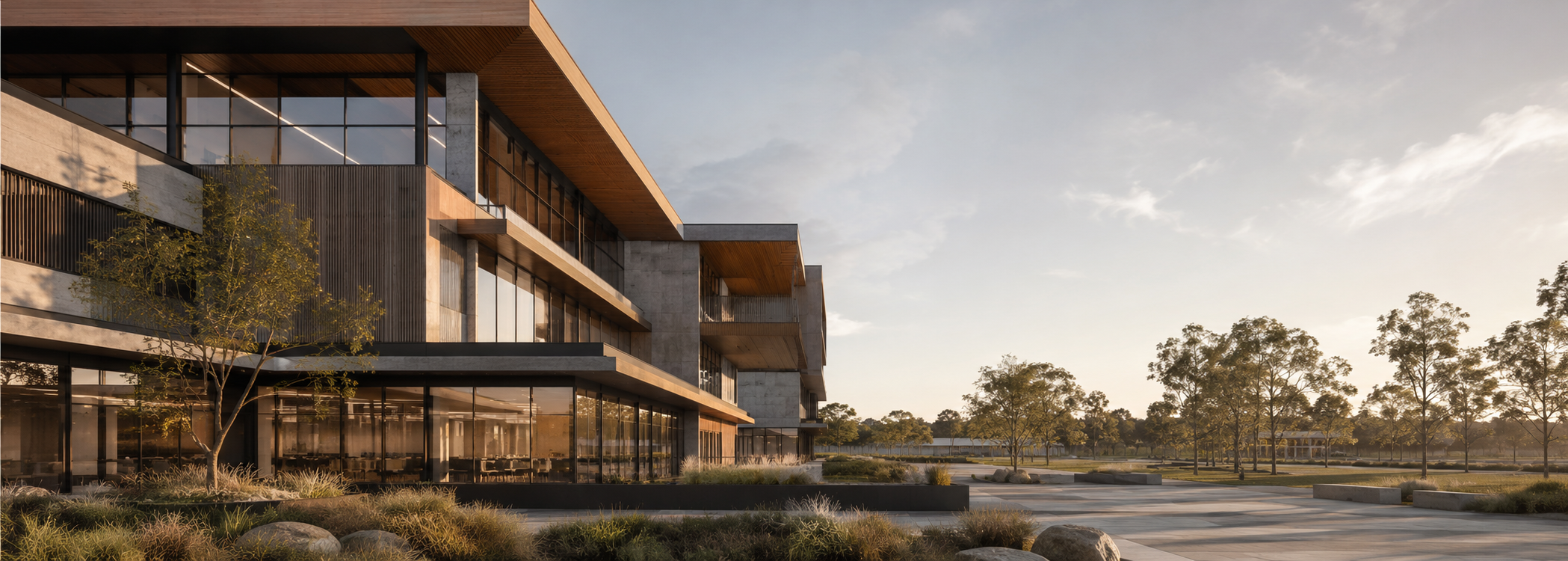
WELL Rating
Topics: Thermal Comfort Modelling
17 min read
VURB vs DTS: Residential Compliance Pathways
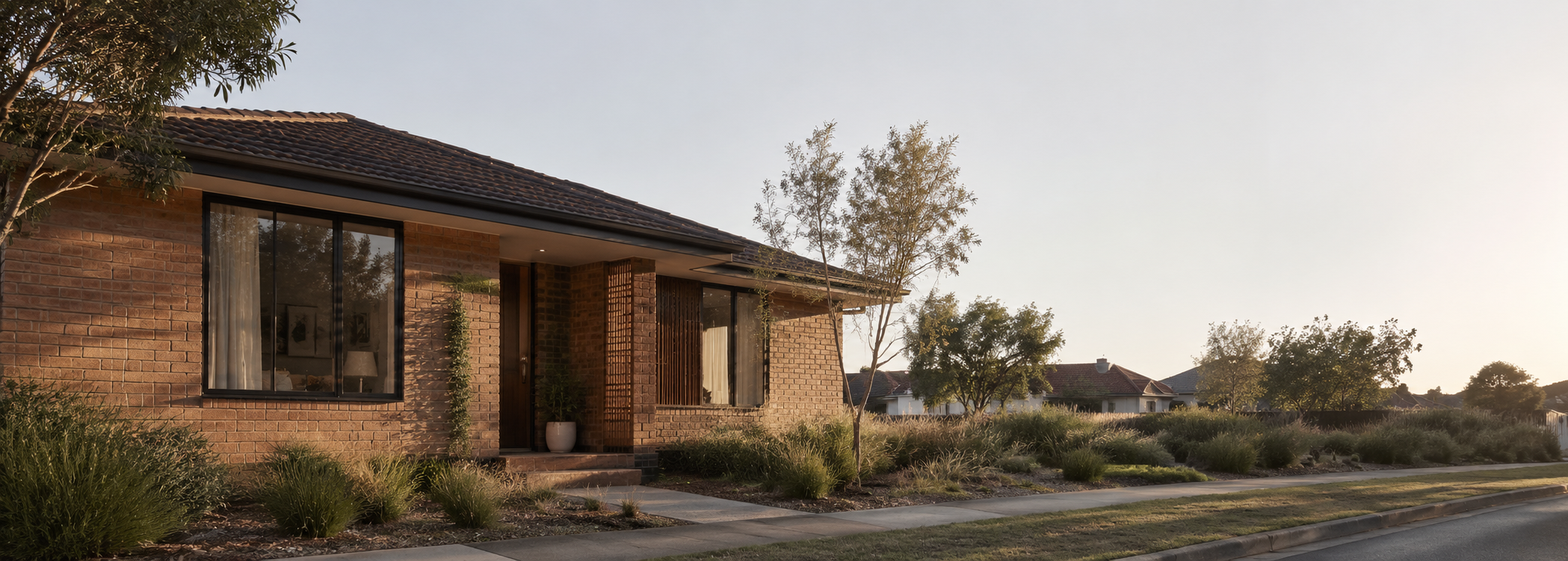
Residential Compliance Pathways
Residential energy compliance is not always resolved through one universal pathway. Some dwellings can follow the Deemed to Satisfy provisions directly. Others may justify investigation of a Performance Solution supported by a compliant reference building comparison.
Verification Using a Reference Building, commonly known as VURB, provides a defined comparative method where it is available under the applicable NCC and jurisdictional provisions. The question is not whether VURB is better than DTS. The question is which pathway is legally available, technically appropriate and proportionate for the dwelling being assessed.
Topics: VURB Residential Compliance DTS
6 min read
Home Energy Rating: Australia’s Next Residential Performance Shift
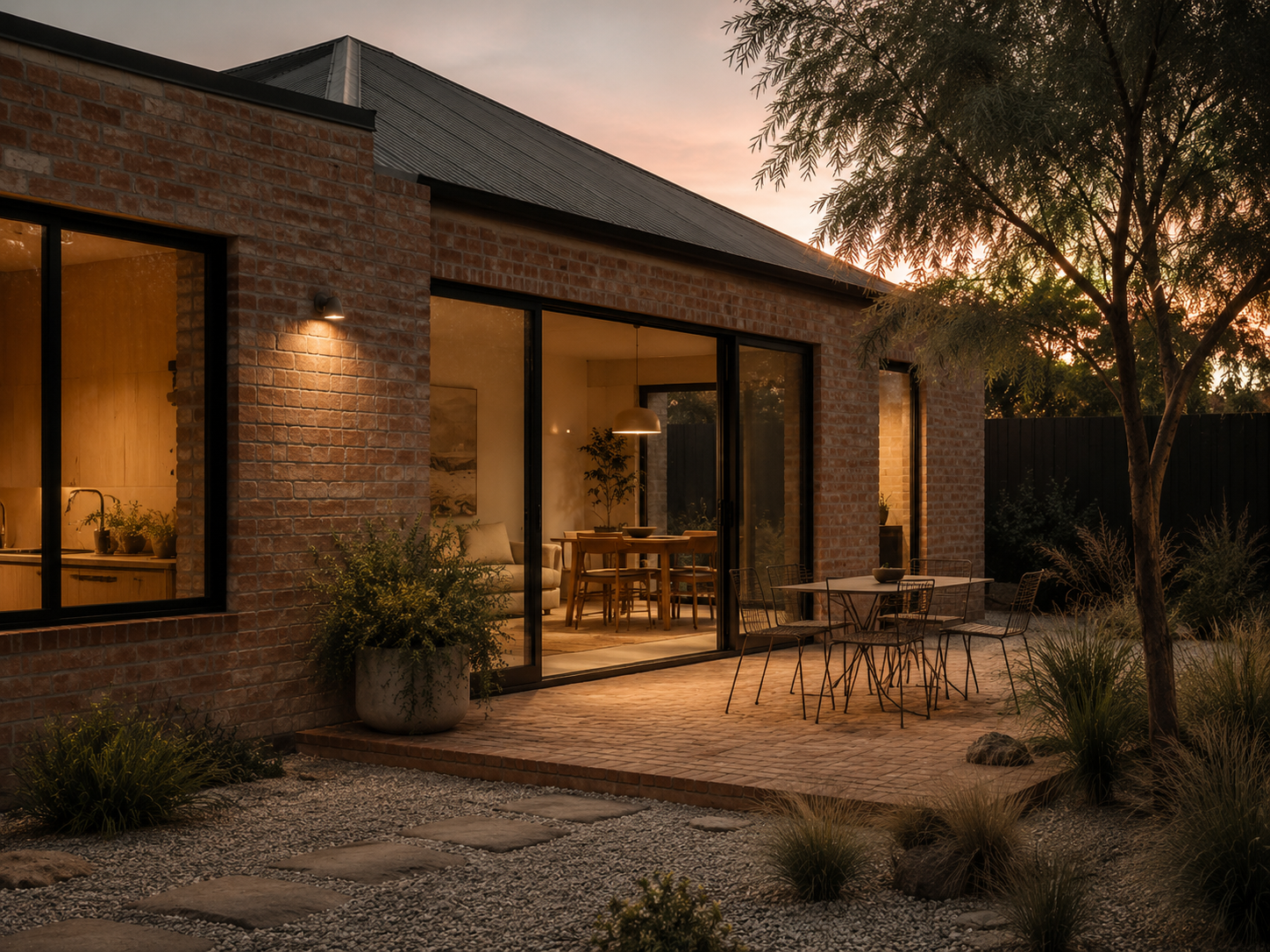
Quick answer
Home Energy Rating is the emerging consumer-facing pathway for understanding the energy performance of existing Australian homes.
It supports the expansion of NatHERS into existing homes and may help homeowners, assessors, property professionals and policymakers make better-informed decisions about comfort, energy use, upgrades and future disclosure at sale or lease.
Topics: ESD Architecture Sustainability Residential Existing Homes NatHERS Existing Homes Home Energy Rating
19 min read
NCC Façade Calculator | Section J Wall & Glazing

Commercial Façade Compliance
NCC Façade Calculator: Wall and Glazing Compliance Under Section J
The NCC Façade Calculator helps project teams assess whether proposed wall and glazing construction satisfies the relevant Deemed-to-Satisfy provisions for commercial building envelopes.
Topics: Section J Commercial
5 min read
NatHERS Existing Homes: why practical assessment delivery matters
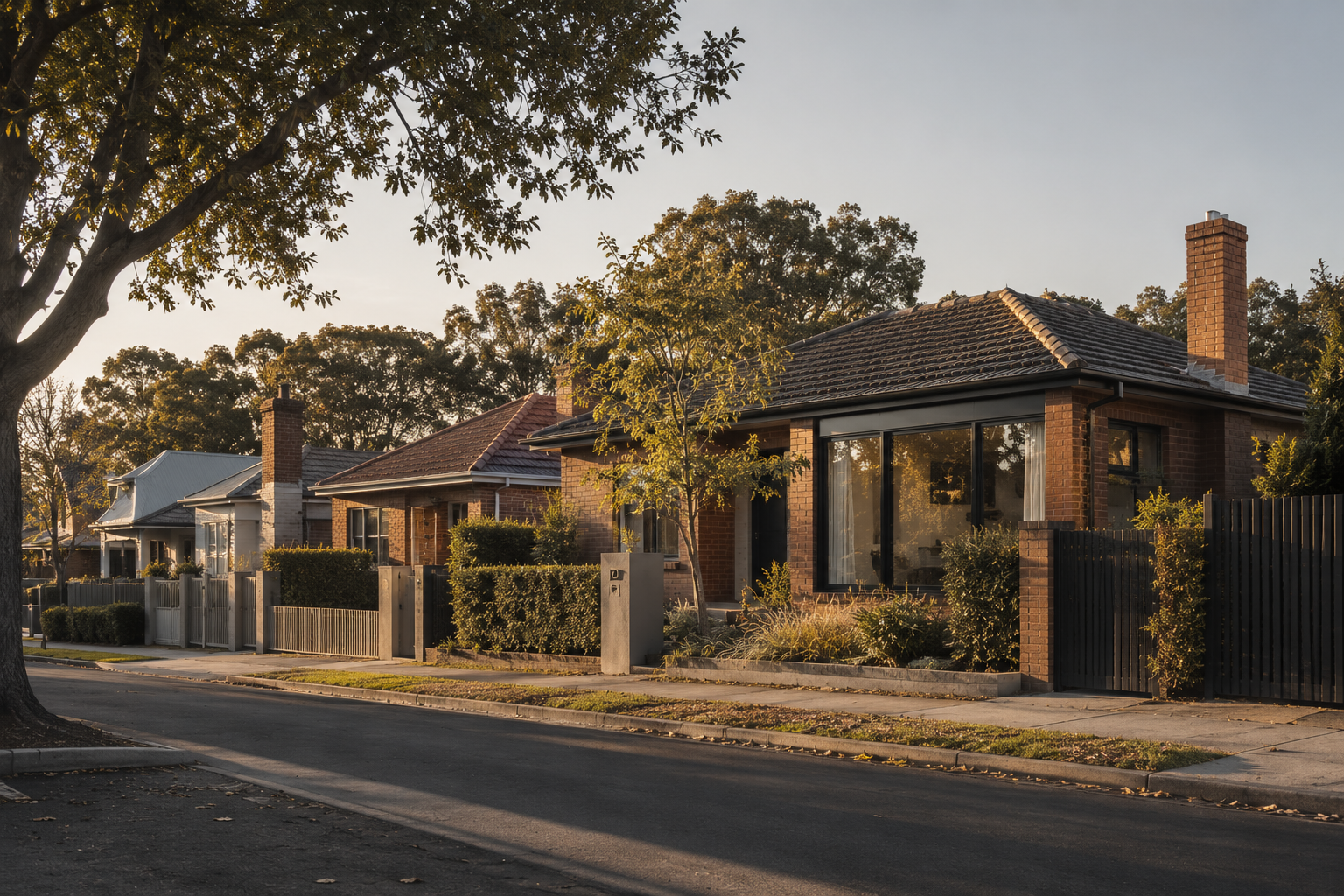
NatHERS Existing Homes is more than a new assessment category. It represents a wider shift in how Australia understands the energy performance of homes that have already been built, occupied, renovated, altered and lived in over time.
Topics: NatHERS Energy Efficiency Energy Assessment 7 Star Homes Benefits of 7 Star Homes
11 min read
NCC Commercial Energy Efficiency Requirements Explained
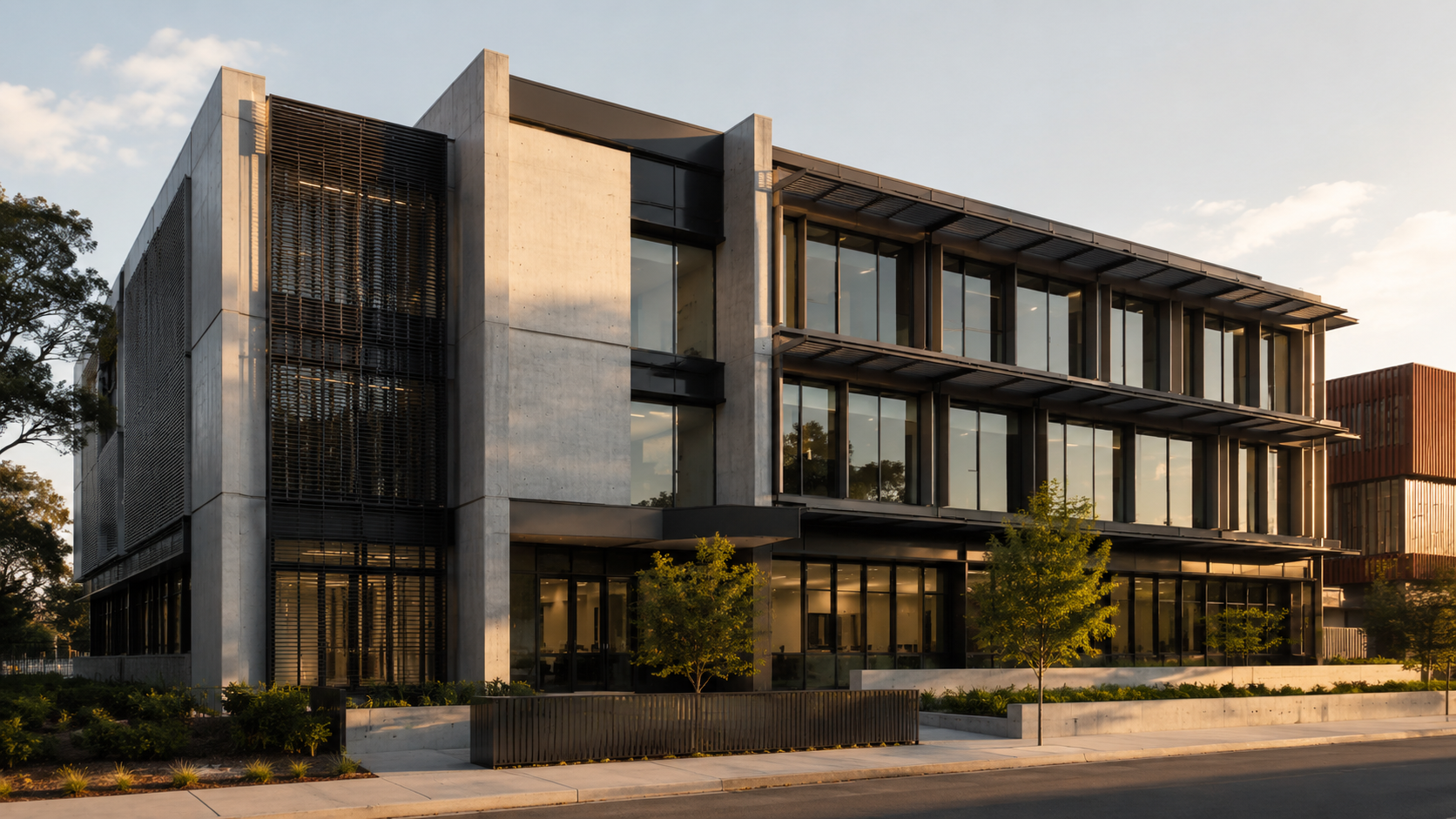
Commercial energy efficiency requirements in Australia are set through the National Construction Code.
Topics: NatHERS Energy Efficiency Energy Assessment 7 Star Homes Benefits of 7 Star Homes
18 min read
Documents Needed for a Section J Report
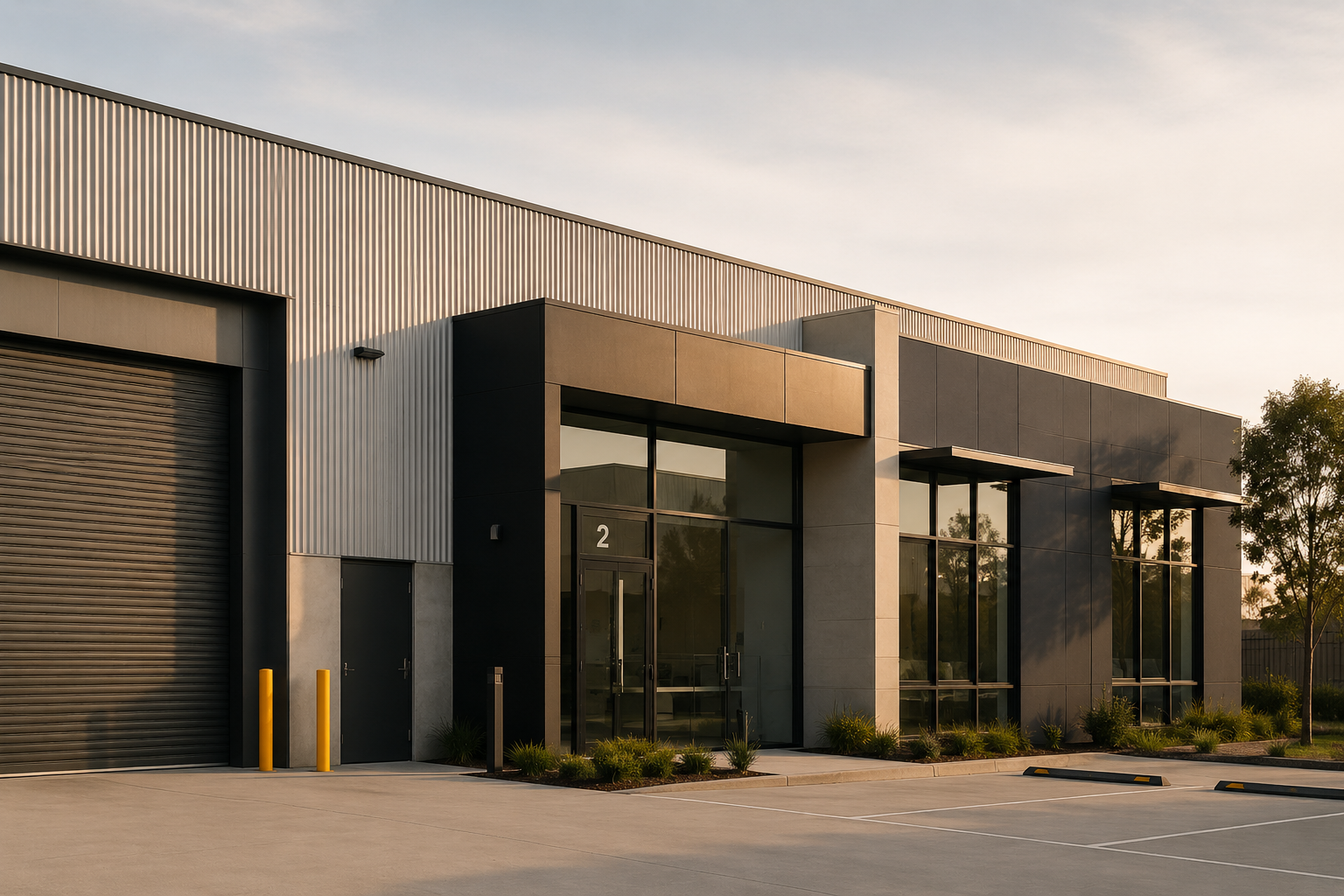
For most commercial building projects, the first step is a practical review of the available drawings, schedules and design information. These documents help the assessor understand the building classification, envelope, glazing, construction systems and relevant building services.
The documentation does not always need to be final before an initial review begins. It does, however, need to be clear enough to identify the building, the proposed work and the likely energy-efficiency compliance pathway.
The more useful question is therefore:
Which documents are needed now, and which details must be confirmed before the Section J Report can be finalised?
Topics: Section J Commercial
6 min read
Climate Responsive Home Design in NSW | Certified Energy
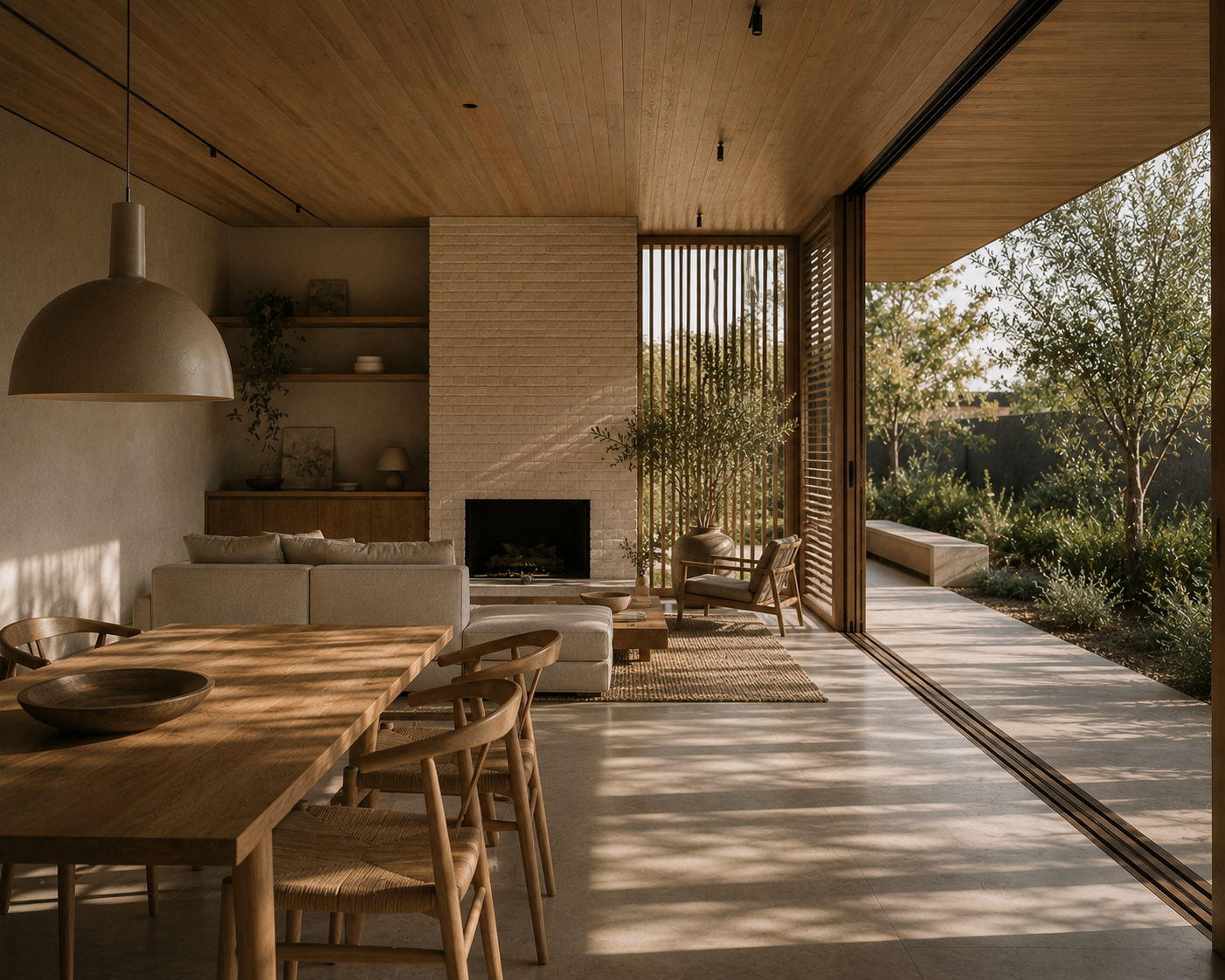
Climate responsive home design considers how a residential building responds to its local climate, seasonal conditions and long-term environmental context.
Topics: NatHERS Energy Efficiency Energy Assessment 7 Star Homes Benefits of 7 Star Homes
25 min read
Design Optimisation and BASIX in NSW | Certified Energy
NSW Residential Compliance Guide
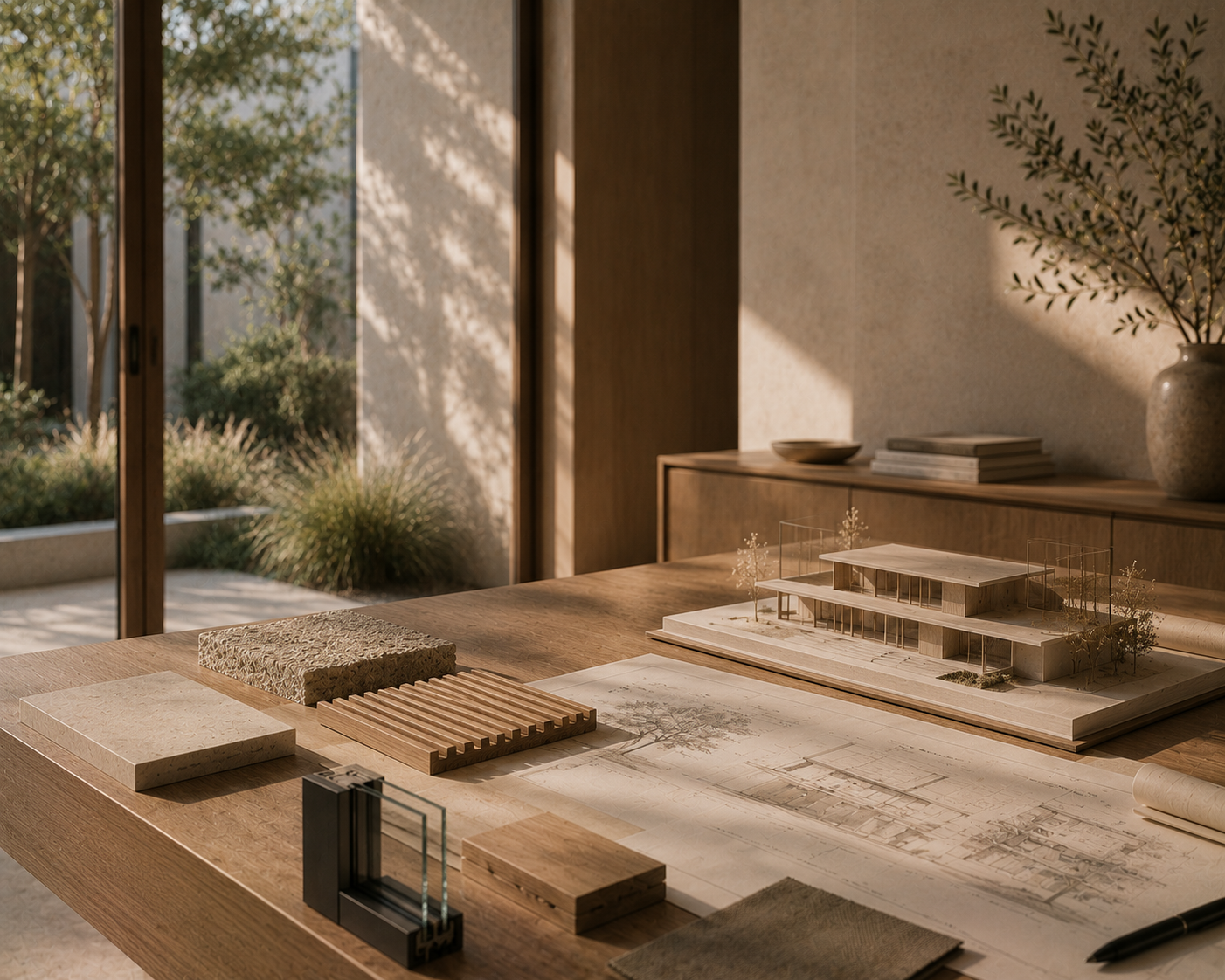
BASIX design optimisation is the process of identifying which project inputs are limiting compliance and refining them without making unnecessary changes to the wider residential design.
A project that does not initially achieve its required BASIX outcome does not necessarily need a complete redesign. In many cases, the result can be improved through a targeted review of the assumptions, specifications or design elements affecting the relevant assessment component.
The important first step is diagnosis. Water, energy and thermal comfort respond to different inputs, and a change that improves one part of the assessment may have little effect on another. Repeatedly upgrading unrelated products can increase project cost without resolving the actual constraint.
This guide focuses specifically on how BASIX outcomes can be refined through a structured design process. For the wider assessment, certification and NSW submission pathway, visit the BASIX Knowledge Hub.
