

Team CE

Team CE

Articles written by the Certified Energy technical team covering NatHERS, BASIX and building performance in Australia.

Recent posts by Team CE

25 min read

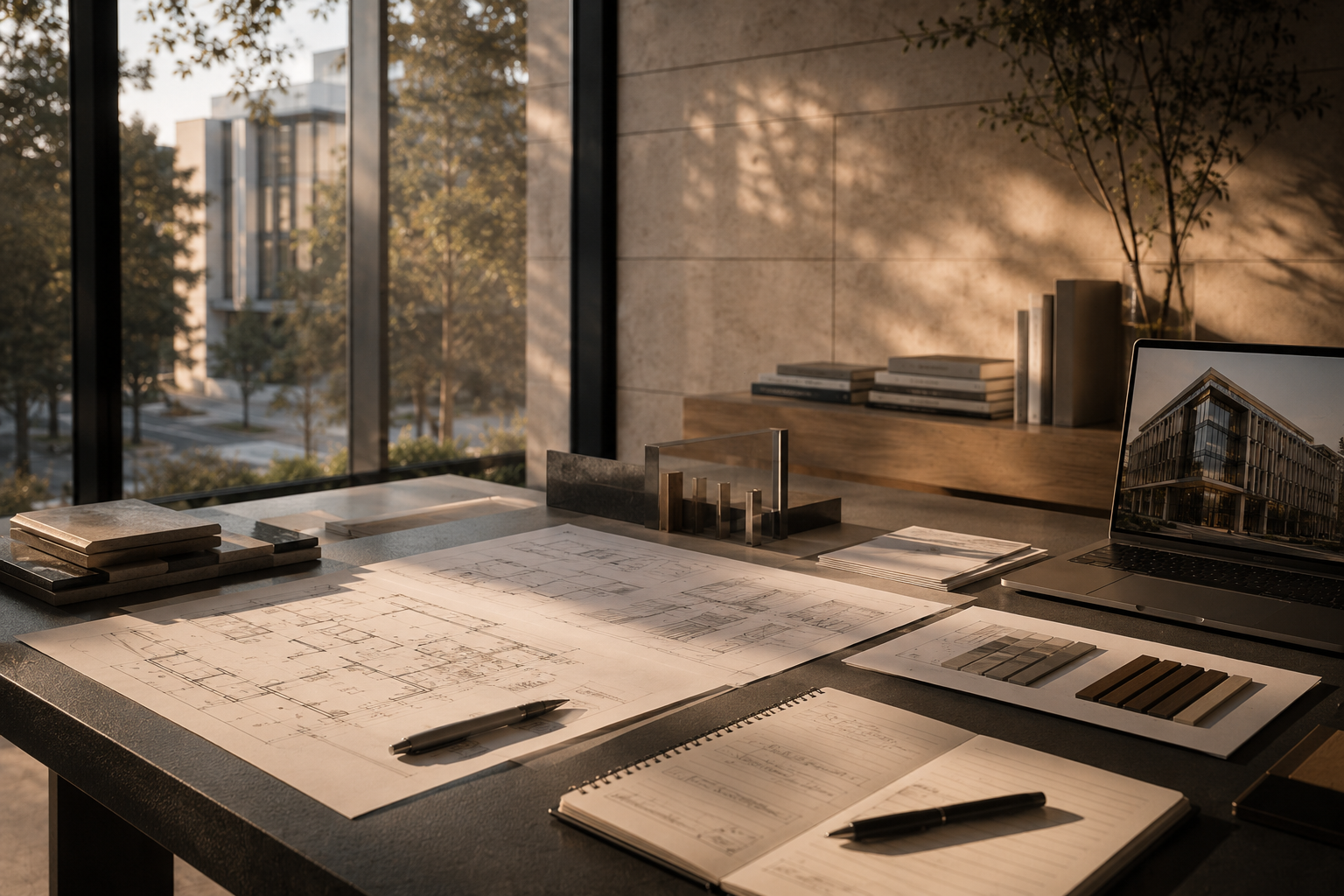
7 Star NatHERS Without Unnecessary Cost | Certified Energy

By Team CE on Jul 11, 2022 11:39:00 AM

7 Star Cost-Prioritisation Guide

Working towards a 7 Star NatHERS result does not mean selecting the most expensive version of every building component. The more useful approach is to identify what is limiting the design and direct the project budget towards the changes that materially improve the model.


The cost of reaching a 7 Star NatHERS target varies between projects. Some designs may require only focused refinements, while others may need wider changes to glazing, shading, insulation, construction or building form.

The difference is rarely explained by one product alone. A high-cost upgrade may provide limited improvement when it does not address the part of the dwelling creating the dominant heating or cooling load. Conversely, several smaller changes may produce a stronger result without unnecessarily increasing the specification across the entire home.

This guide focuses specifically on how project teams can prioritise expenditure when working towards the target. For the broader relationship between climate, orientation, glazing, shading and construction, see How to Design a 7 Star NatHERS Home.

For guidance on what the 7 Star benchmark means and when it may apply, see the 7 Star NatHERS requirements guide.

Topics: 7 Star Homes Residential Energy Performance
3 min read

Choosing the Right Energy Rating Consultant

By Team CE on Jul 1, 2022 12:37:09 PM

Why does the choice of energy rating consultant matter?

The right energy rating consultant can significantly influence:

Topics: BASIX Energy Energy Assessment
20 min read

Green Home Loans and NatHERS Ratings | Certified Energy

By Team CE on Jun 21, 2022 3:34:02 PM

Sustainable Home Finance Guide

A NatHERS rating may help demonstrate the energy performance of a home for a green home loan application, but it does not create automatic eligibility. Each lender sets its own qualifying threshold, accepted evidence and credit requirements.


Green home loans are intended to support the purchase, construction or improvement of homes that satisfy defined environmental or energy-performance criteria. Depending on the product, the lender may offer a pricing benefit, additional finance for upgrades or another incentive.

NatHERS can provide recognised technical evidence about a new home. Its thermal star rating describes the modelled heating and cooling performance of the dwelling fabric, while a separate Whole of Home rating may record the broader modelled energy performance of household systems, solar generation and battery storage.

Whether either result is accepted for a particular green loan remains a lender decision. Applicants should confirm the lender’s current eligibility criteria before relying on a target rating, specification or certificate.

Topics: 7 Star Homes Residential Energy Performance
4 min read

Eaves and thermal comfort

By Team CE on May 12, 2021 11:44:47 AM

Building for the Australian Climate.

A building’s access to sunlight is one of the leading factors contributing to its thermal comfort, with the amount of direct sunlight that the building receives greatly influencing the passive heating and cooling factors. However, as the sun’s path varies seasonally, accounting for the required direct sunlight a building needs becomes difficult. The eaves of building construction can maintain great benefits if used correctly.

Topics: ESD BASIX NatHERS Accreditations Construction Energy Efficiency Residential
16 min read

BASIX for New Homes vs Alterations and Additions NSW

By Deniro Stocks on Apr 28, 2020 11:09:14 AM


A BASIX assessment for a new home is not approached in exactly the same way as an assessment for an alteration, extension or second-storey addition. Both project types may need to demonstrate residential water, energy and thermal performance, but the starting point and assessment boundary can be different.

A new home can generally be assessed as one complete proposed dwelling. An alteration or addition begins with an existing building and requires the plans and assessment to distinguish between what is retained, removed, changed and newly constructed.

Understanding that distinction early helps architects, designers, builders and homeowners prepare the right information and avoid conflicting assumptions between the BASIX Certificate and the approval drawings. For a broader overview of the framework, see What Is BASIX? →

Topics: BASIX Alterations & Additions Residential Compliance
15 min read

Do Relocatable Homes Need BASIX in NSW? | Certified Energy

By Maud Dassen on Apr 26, 2020 12:45:51 AM

Do Relocatable and Transportable Homes Need BASIX in NSW?

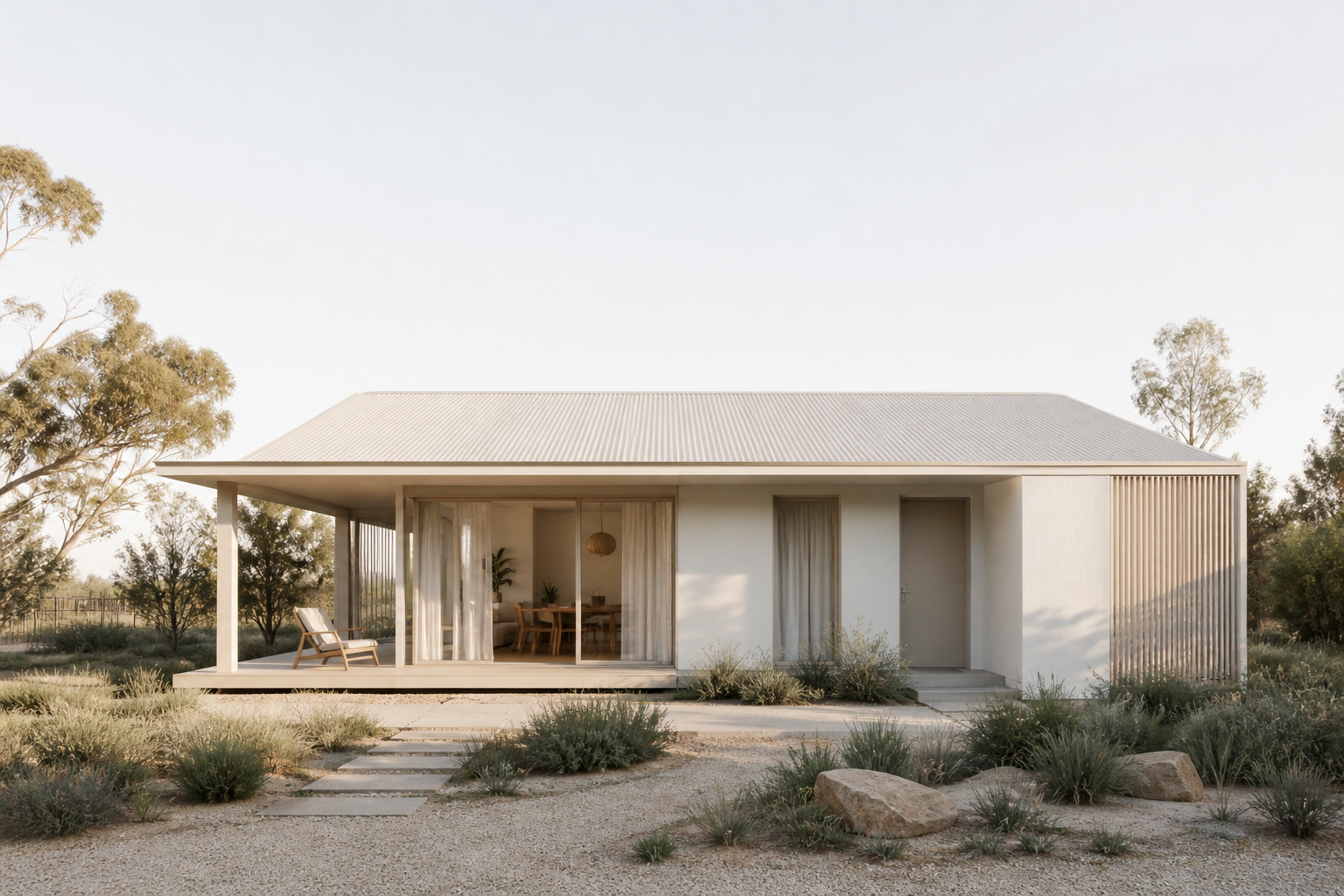
Whether a transportable, prefabricated or modular home needs a BASIX Certificate in New South Wales depends on how the dwelling is legally classified and how it will be installed—not simply on the name used by the supplier.

Under current NSW planning guidance, a dwelling that qualifies as a relocatable home is treated differently from a flat-pack kit home erected as a building. A relocatable home generally does not require a BASIX Certificate, while a flat-pack dwelling requiring a development application or complying development certificate generally does.

The approval pathway still needs to be confirmed with the relevant council or certifier before documentation is prepared. A project can require council approval even where BASIX does not apply.

Topics: BASIX Residential Compliance
20 min read

Indoor Environment Quality in BESS | Credits & Evidence

By Deniro Stocks on Aug 20, 2019 12:34:00 PM

BESS Indoor Environment Quality Guide

Indoor Environment Quality is a core BESS category addressing how proposed buildings provide daylight, ventilation, solar access and thermal comfort for occupants.


Indoor Environment Quality, commonly shortened to IEQ, is one of the categories assessed within BESS Buildings. The category does not provide a general rating of whether a building is healthy or comfortable. Instead, it applies defined credits to particular development types and requires project information or evidence to support the responses entered into the assessment.

The applicable IEQ credits change according to the project profile. An apartment development may be assessed for daylight access, natural ventilation, cross-flow ventilation and particular thermal-comfort measures. A non-residential development may instead require daylight, ventilation, shading, ceiling-fan or air-quality evidence relevant to its regular-use areas.

This guide explains how IEQ operates within BESS and what information may be required to substantiate the assessment. For the complete planning, scoring and report pathway, see the BESS Knowledge Hub.

Topics: BESS Residential Water & Planning
6 min read

FIFA’s Impact on Building Sustainable Stadiums

By Team CE on Oct 24, 2018 4:32:48 PM

Figure 1shows FIFA World Cup trophy and official football (1)

Topics: ESD Architecture Sustainability Construction Structure Energy Energy Efficiency
20 min read

NCC Section J Changes: What Changed in 2019, 2022 and 2025?

By Team CE on Apr 5, 2018 4:00:00 PM

Section J has changed substantially across recent editions of the National Construction Code.

NCC 2019 delivered a major uplift in commercial building energy efficiency. NCC 2022 reorganised the framework and introduced new requirements for energy monitoring and future distributed-energy infrastructure. NCC 2025 moves further towards lower operational energy use through stronger commercial building requirements, including on-site solar photovoltaic systems for relevant buildings.

These editions should not be treated as interchangeable.

A Section J assessment prepared under NCC 2019 may use different clause references, calculation methods and minimum requirements from an assessment prepared under NCC 2022 or NCC 2025. The applicable edition may also depend on the project location, approval date, transitional arrangements and jurisdictional variations.

This guide explains the broad direction of change and what it may mean for architects, builders, developers and commercial project teams.

Topics: Section J Changes Commercial
8 min read

Do Green Roofs Help with BASIX in NSW? | Certified Energy

By Team CE on Nov 4, 2016 4:24:06 PM

Do Green Roofs Help with BASIX in NSW?

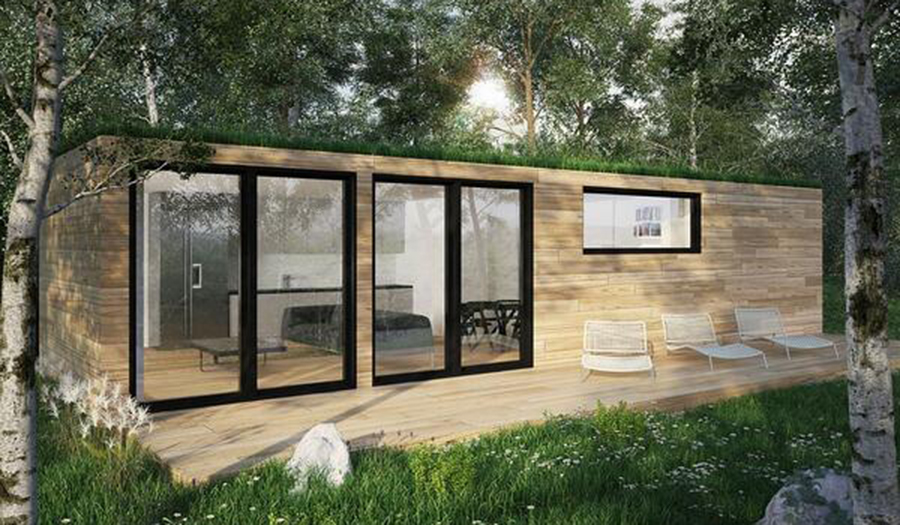
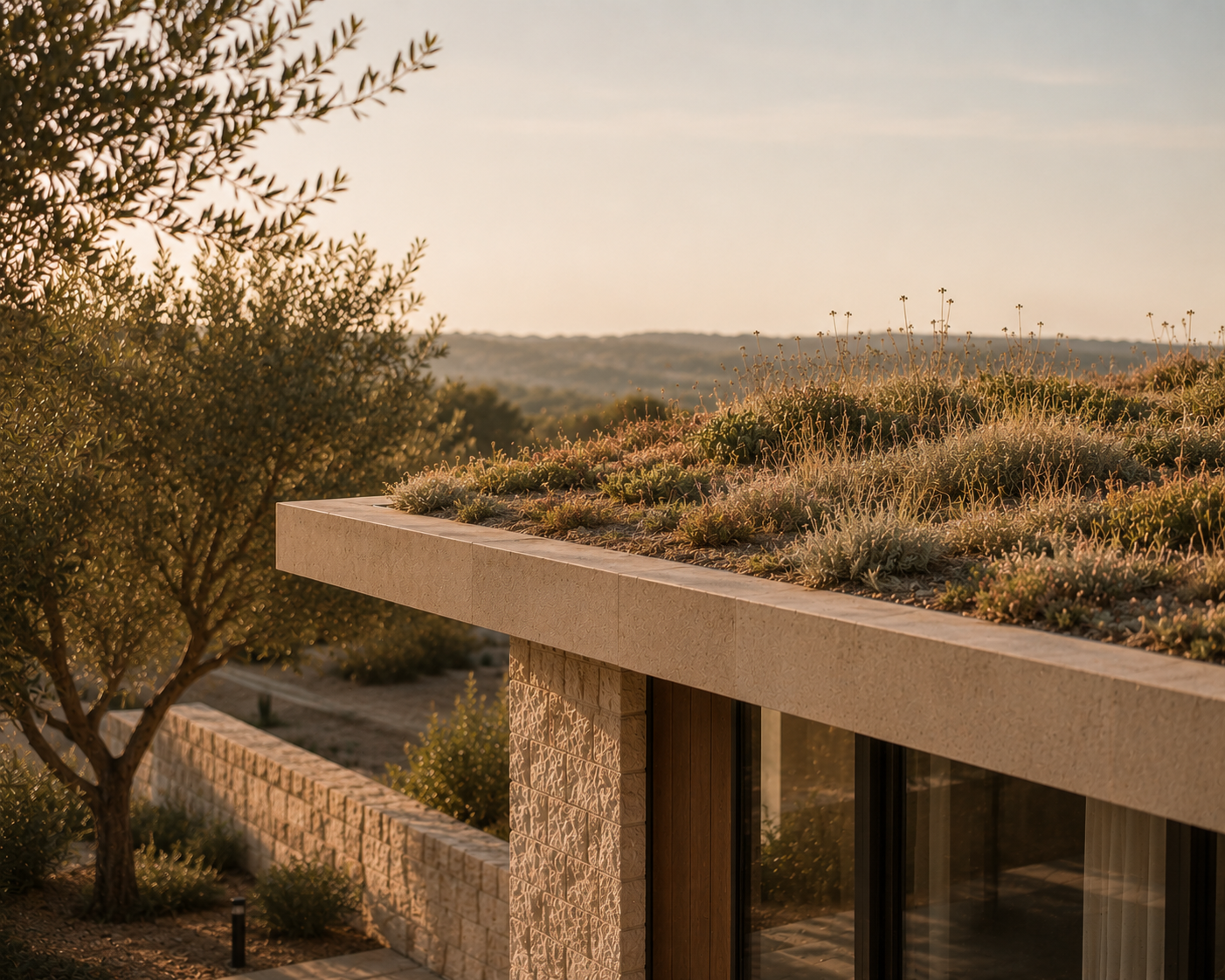
Green roofs are increasingly considered in sustainable residential and mixed-use developments across New South Wales. They can provide valuable environmental and design benefits, but their relationship with a BASIX assessment is often misunderstood.

A green roof does not automatically earn a BASIX credit or replace the roof, insulation, glazing and building-services commitments needed to satisfy the assessment. Its influence depends on which parts of the system can be represented through the applicable BASIX and thermal performance methodology.

Topics: BASIX Emerging Materials Residential Compliance