

We've found 5 quick and easy tips that will help guide on how to make your decisions in building a sustainable home.
3 min read
5 Quick Tips for Sustainable Home Design
Topics: Design ESD Glazing Emerging Materials Sustainability Energy Efficiency Climate Residential
3 min read
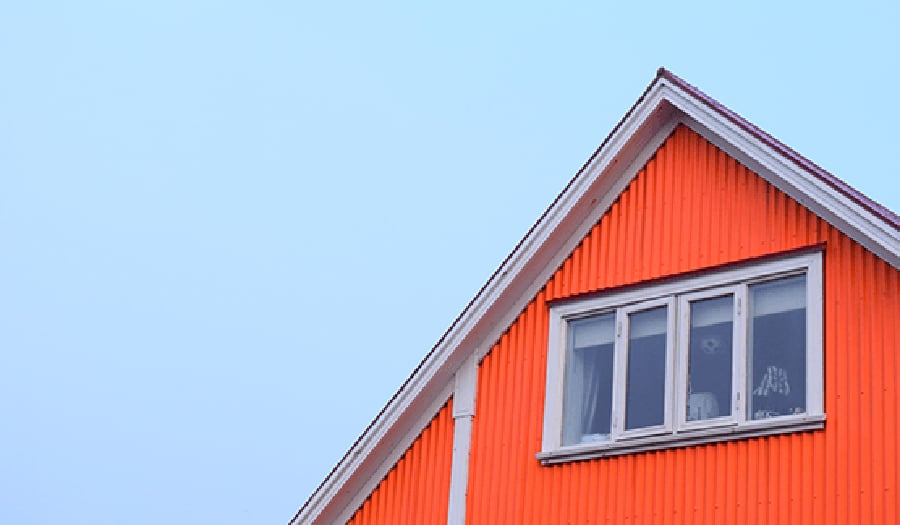
The Basics of Passive Cooling

Passive cooling is the cheapest method of cooling a home, and as an added bonus is incredibly environmentally friendly. No matter the climate you live in, you'll be using passive cooling to some extent throughout the year.
Whether you live in an apartment or a larger home, your home can be built or modified to allow you to take advantage of passive cooling systems to help you achieve greater comfort. If you already rely on mechanical cooling systems (like air conditioners) you can reduce your energy costs by combining these with passive cooling.
Choosing the most appropriate passive cooling strategies for your home should be guided by the climate you live in. We've listed some of the basic strategies below to get you started!
Topics: Design ESD Emerging Materials Sustainability Energy Efficiency Climate Materials Cooling
10 min read
Top 5 Algae-Powered Innovations for your home
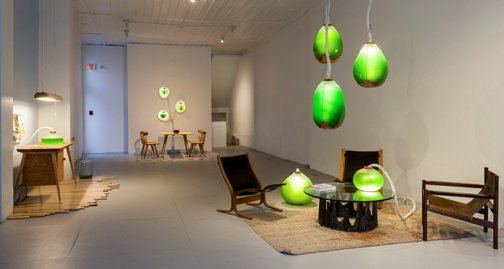
As the reality of climate change inches closer, the need to search for new and innovative ways to power our lifestyles continue.
While the idea of using living organisms as a source of power amd light and light may at first thought sound closer to something out of a sci-fi movie, algae as a source of power could be a real alternative that is both viable and ethically sound.
Algae continually and quickly grow via photosynthesis and have bioluminescence qualities [1]. As the fastest growing organic material on our planet [2], algae is being looked into as a creative and environmentally friendly substitute in the fields of construction and design.
Topics: Design Emerging Materials
4 min read
Crossing Expectations: Cross Laminated Timber
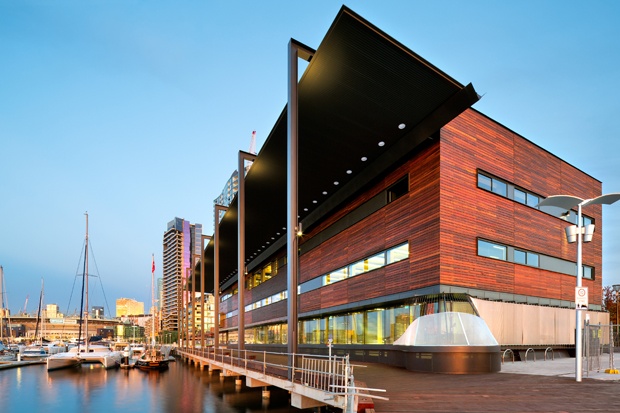
How CLT Is Becoming the Next Star of the Building Industry:
Discovering newer and more sustainable materials for use in construction, is one of the key focuses of designers today. Aiming to find a material which performs the same as conventional construction methods, which also reduces the impact on the environment is a difficult task. However, with the ever increasing demand for sustainable materials many innovative technologies have emerged which attempt to fill the void. One such material is Cross Laminated Timber or CLT.
Topics: Emerging Materials Sustainability
8 min read
Do Green Roofs Help with BASIX in NSW? | Certified Energy
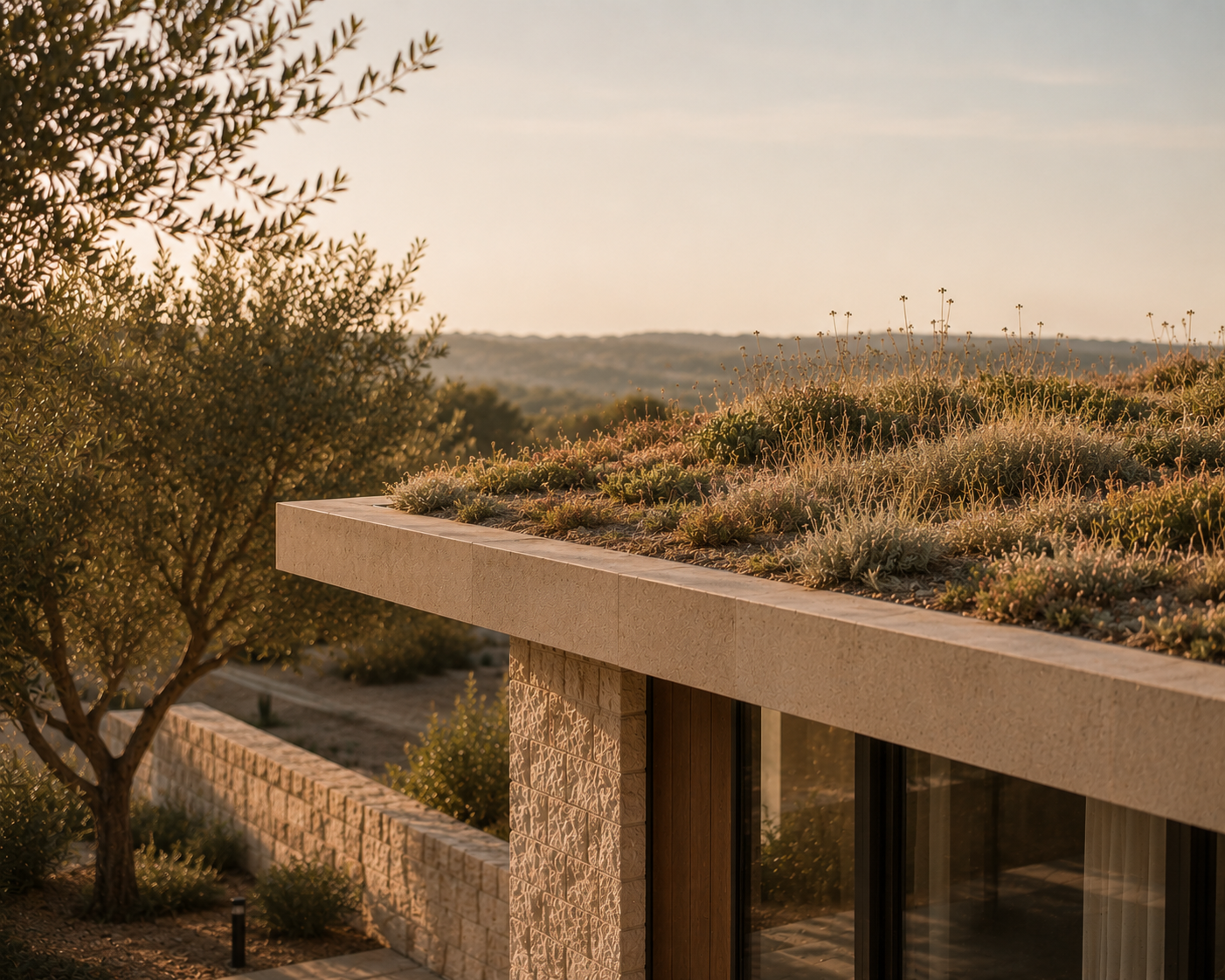
Do Green Roofs Help with BASIX in NSW?
Green roofs are increasingly considered in sustainable residential and mixed-use developments across New South Wales. They can provide valuable environmental and design benefits, but their relationship with a BASIX assessment is often misunderstood.
A green roof does not automatically earn a BASIX credit or replace the roof, insulation, glazing and building-services commitments needed to satisfy the assessment. Its influence depends on which parts of the system can be represented through the applicable BASIX and thermal performance methodology.
Topics: BASIX Emerging Materials Residential Compliance
16 min read
AAC in BASIX and NatHERS: Wall Performance | Certified Energy
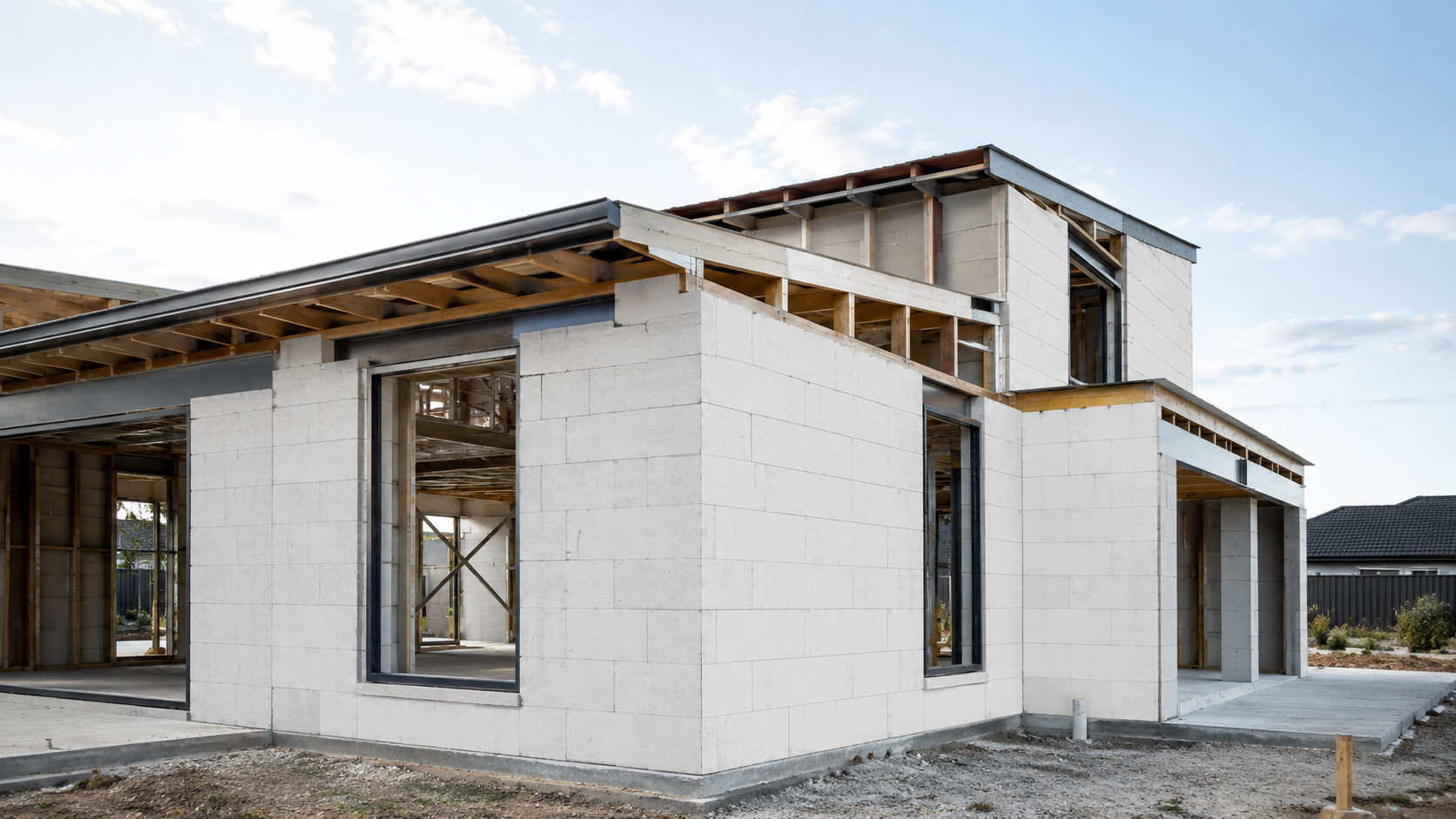
Does AAC Improve BASIX and NatHERS Performance?
Autoclaved Aerated Concrete, commonly known as AAC, is widely used in Australian residential construction as wall panels, blocks and lightweight masonry cladding systems. Its air-filled structure can provide useful thermal resistance while remaining substantially lighter than conventional concrete.
AAC can form part of a well-performing BASIX and NatHERS design, but the material does not automatically produce a higher energy rating. The result depends on the complete wall construction, including the AAC thickness, frame type, insulation, cavities, internal lining, external finish and any thermal bridging through the assembly.
