


Visual Impact Assessments (VIA) are an essential component of environmental assessments and are used to evaluate the potential visual impact of proposed projects on the surrounding environment and community. However, VIAs alone are not enough to fully evaluate the potential environmental impact of a project. That's why the integration of VIAs with other environmental assessments is crucial to ensuring a comprehensive evaluation of a project's potential impact.
3 min read
VIAs and Integration with Other Assessments

Topics: ESD Architecture Climate Alterations & Additions viewshed visual impact assessment
3 min read
5 Quick Tips for Sustainable Home Design
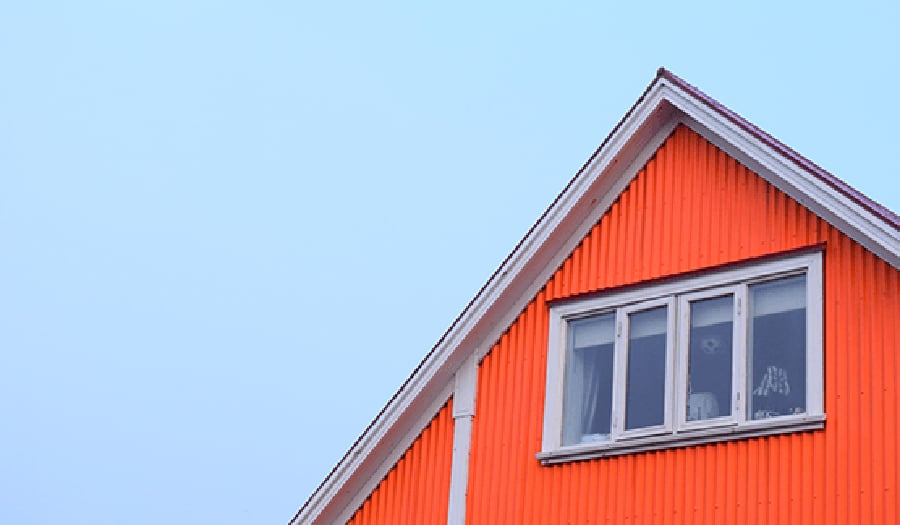
We've found 5 quick and easy tips that will help guide on how to make your decisions in building a sustainable home.
Topics: Design ESD Glazing Emerging Materials Sustainability Energy Efficiency Climate Residential
3 min read
The Basics of Passive Cooling

Passive cooling is the cheapest method of cooling a home, and as an added bonus is incredibly environmentally friendly. No matter the climate you live in, you'll be using passive cooling to some extent throughout the year.
Whether you live in an apartment or a larger home, your home can be built or modified to allow you to take advantage of passive cooling systems to help you achieve greater comfort. If you already rely on mechanical cooling systems (like air conditioners) you can reduce your energy costs by combining these with passive cooling.
Choosing the most appropriate passive cooling strategies for your home should be guided by the climate you live in. We've listed some of the basic strategies below to get you started!
Topics: Design ESD Emerging Materials Sustainability Energy Efficiency Climate Materials Cooling
2 min read
What you need to know about the National Construction Code Calculator
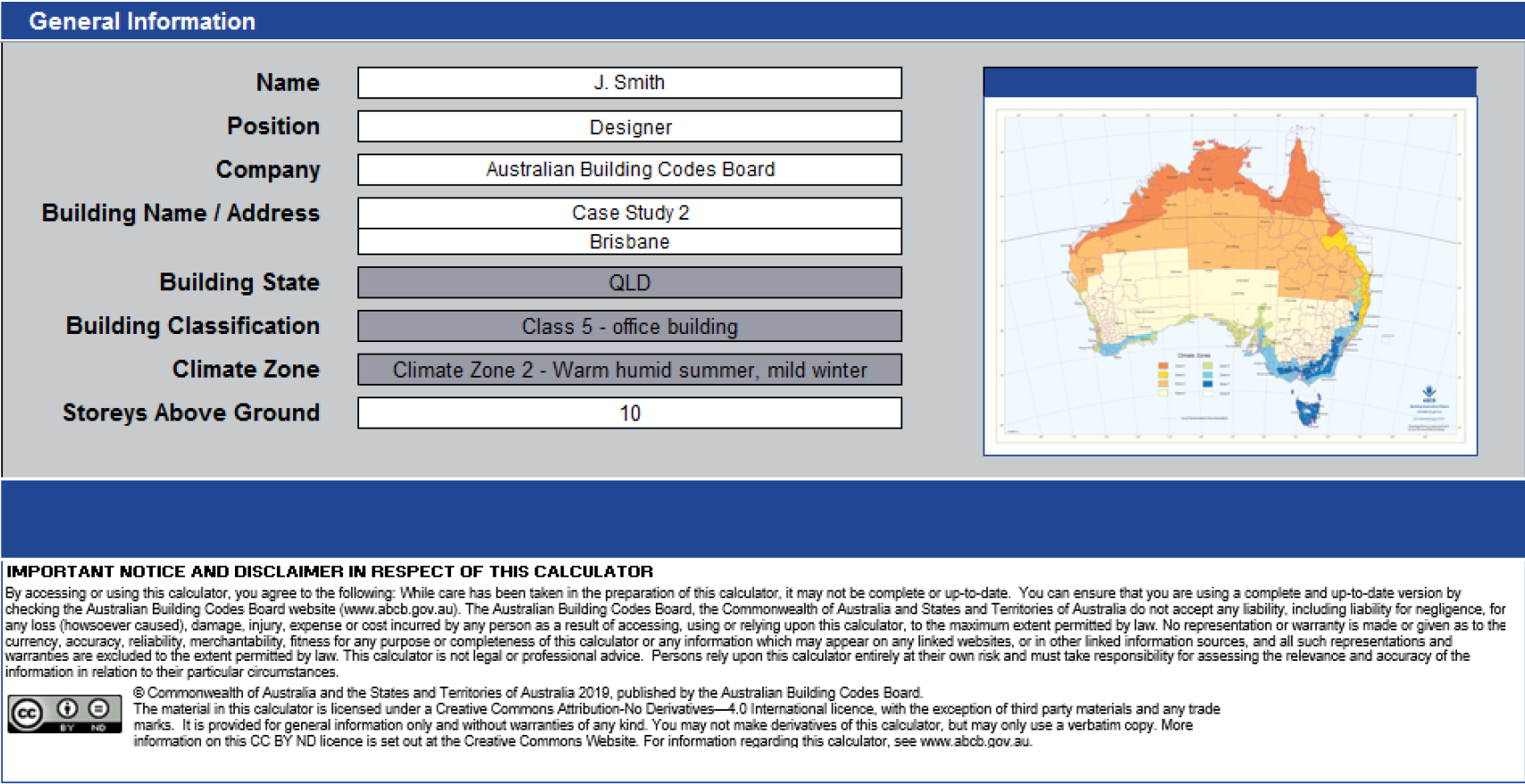
The National Construction Code (NCC) 2019 has brought in a raft of changes including a facade calculator which will assist in providing compliance for wall and glazing provisions. This will make the process for JV3 reports amongst other certifications to continue to reduce the carbon footprint for future building plans.
Topics: NCC Sustainability Accreditations JV3 Climate Commercial
13 min read
How to Improve a Green Star Rating for Commercial Projects
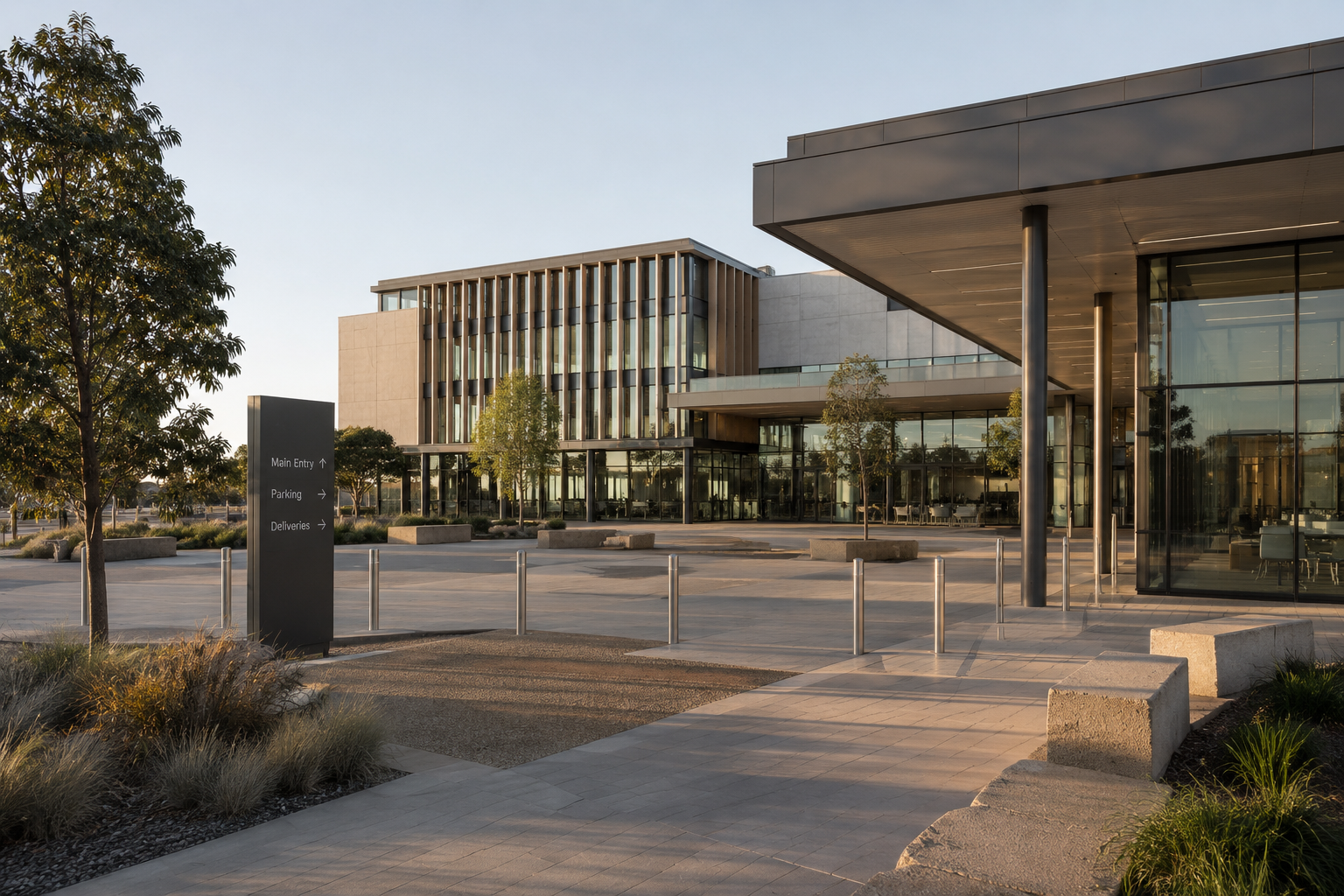
Commercial Sustainability
Topics: Greenstar Climate Cooling Suntuitive Green Star Rating Commercial
2 min read
How the Australian Architects Climate Emergency will Affect Builders
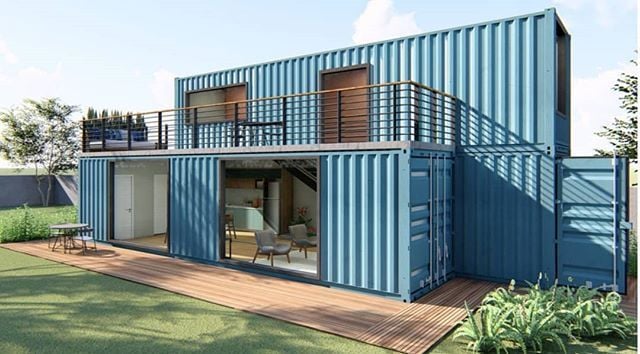
A large proportion of Australian architects have followed suit with their English counterparts developing Declare Australia in an attempt to promote a self-sustaining and constantly regenerating environment for future generations. But, what impacts will this have for property developers and builders going forward?
Topics: Architecture Construction Energy Efficiency Climate Opinion Residential
2 min read
The Impact of Self-Tinting Glazing in Different Environments

Suntuitive's dynamic thermochromic self-tinting glazing has many benefits such as elevated mood, increased levels of concentration and higher productivity. However, a common question is: does it perform as well in cold climates as it does in warm?
Topics: Thermal Comfort Sustainability Insulation Solar Climate Materials Cooling Suntuitive Residential Commercial
3 min read
How Suntuitive is Improving Glazing Technology
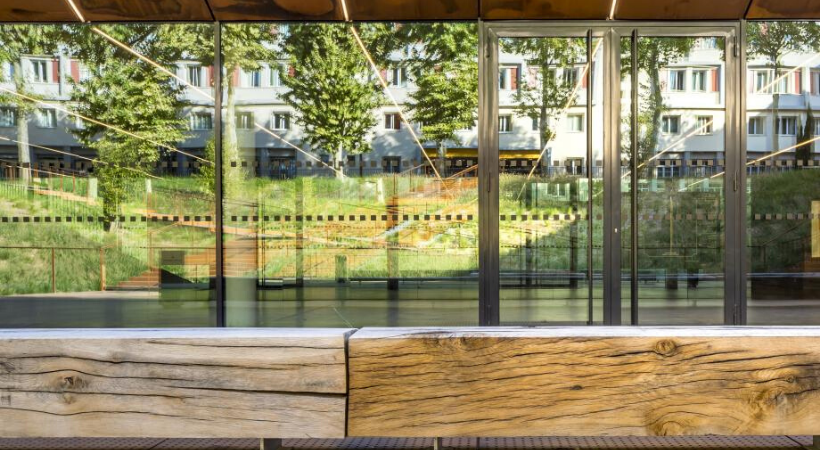
Suntuitive brings the future to life with smart, self-tinted window glazing. When installed to residential or commercial buildings this technology provides improved climate control and greatly enhanced energy efficiency for both single and double glazed window systems. Other benefits of this thermocromic dynamic glass technology are noise reduction and glare moderation resulting in more expansive views.
Topics: NatHERS Thermal Comfort Energy Insulation Windows Solar Climate Materials Cooling Residential Commercial
3 min read
How to design for Climate: Climate Sensitive Design

It is important that designers modify their designs in relation to the climate in which they are built in. In order for the occupants of a home to remain thermally comfortable, the design must work with the climate, not against it, decreasing the need to use heating and cooling systems.
