


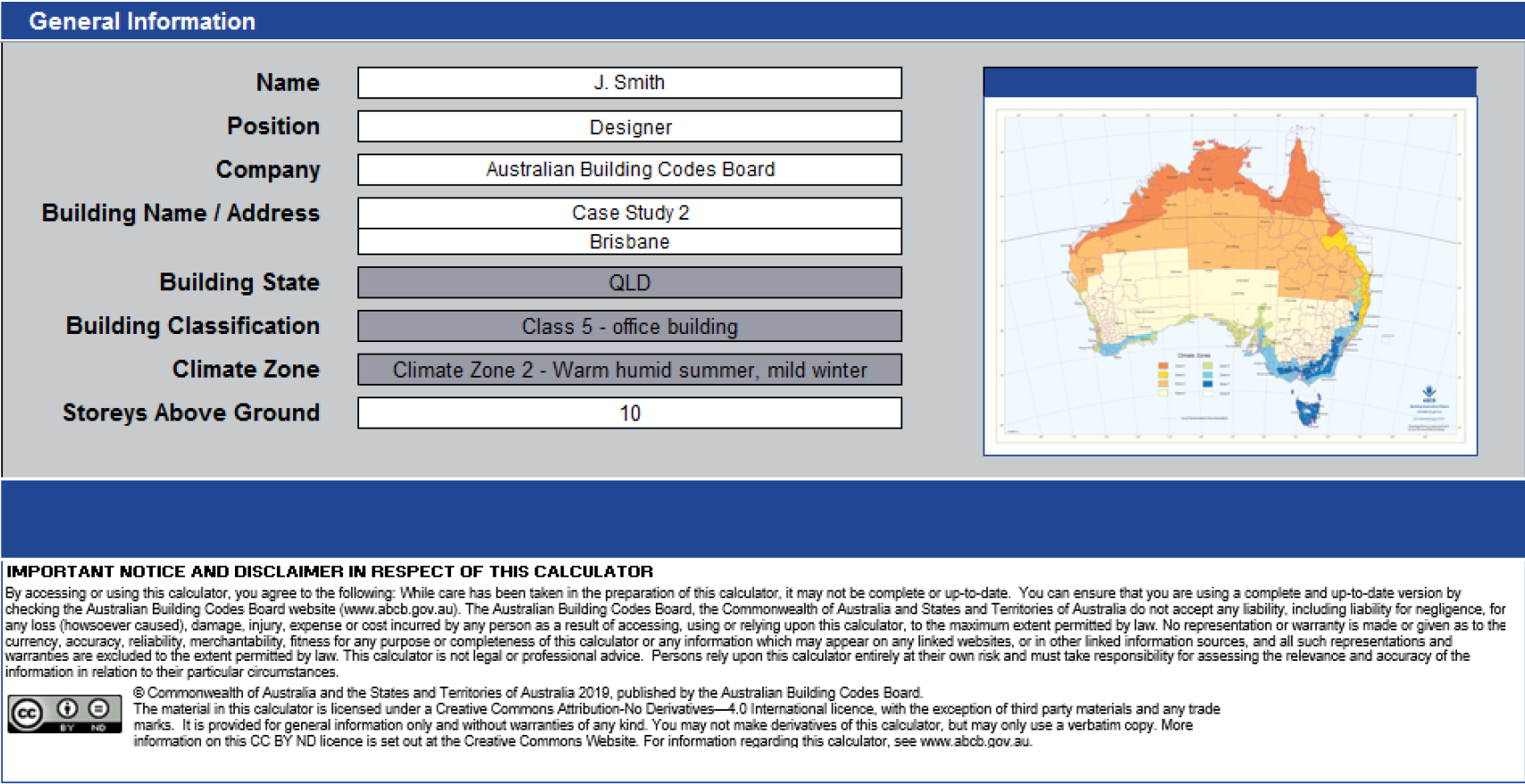
The National Construction Code (NCC) 2019 has brought in a raft of changes including a facade calculator which will assist in providing compliance for wall and glazing provisions. This will make the process for JV3 reports amongst other certifications to continue to reduce the carbon footprint for future building plans.
2 min read
What you need to know about the National Construction Code Calculator
Topics: NCC Sustainability Accreditations JV3 Climate Commercial
6 min read
2019 Proposed NCC building fabric changes + how they affect you

The 2019 National Construction Code (NCC) is now imminent and if it seems like it’s been a while since the last major release, it has been a long but welcome 3 years since the Australian Building Codes Board shifted to triennial updates.
The proposed changes include a complete rewrite to the way the building fabric is assessed under Section J (Energy Efficiency). The Australian Building Codes Board (ABCB) committee working on this update claim to have “rewritten Section J in its entirety" [1] which is powerfully showcased through the 30% average increase to the energy efficiency stringency requirements.
So what does this mean to you, as a builder or an architect? How is this going to affect your project and does this mean an increased financial strain on your budget to comply with these new energy efficiency targets? In short it depends what climate zone you are building and to what extent how much renewable energy mix is within your local energy supply. The below table indicates the expected construction cost reduction or increased to comply with the new NCC based on your climate zone refer map below.
[1]Dr Paul Bannister – Reviewer for Energy Efficiency in Commercial Buildings DTS Modelling Report 2018 by Energy Action
Topics: Energy NCC ESD Section J Certification Update NCC Changes NABERS
1 min read
Energy Efficiency Industry: History

In response to growing concerns around greenhouse emissions, the Australian Government introduced a coordinated national approach in July 2000.
This approach focused on two key directions.
First, mandatory minimum energy performance requirements were implemented through the Building Code of Australia (BCA), ensuring all new buildings meet a baseline standard.
Second, the industry was encouraged to adopt voluntary best practice initiatives, allowing for innovation and higher performance outcomes beyond compliance.
These measures were supported by theNational Framework for Energy Efficiency(NFEE), a national agreement between Australian governments aimed at improving energy efficiency across the country. The objective was clear: unlock economic value through smarter energy use, while delivering cost-effective outcomes.
To support this transition, working groups were formed across government, industry, and community sectors. Their role was to contribute to the development of the BCA Energy Efficiency Provisions.
Recognising the impact of buildings on national emissions, theAustralian Building Codes Board(ABCB) and theAustralian Greenhouse Officeformalised their collaboration through a Memorandum of Understanding.
This led to the development of the Energy Efficiency Provisions now known asSection J of the National Construction Code (NCC)— applying to both commercial and residential buildings across Australia.
