


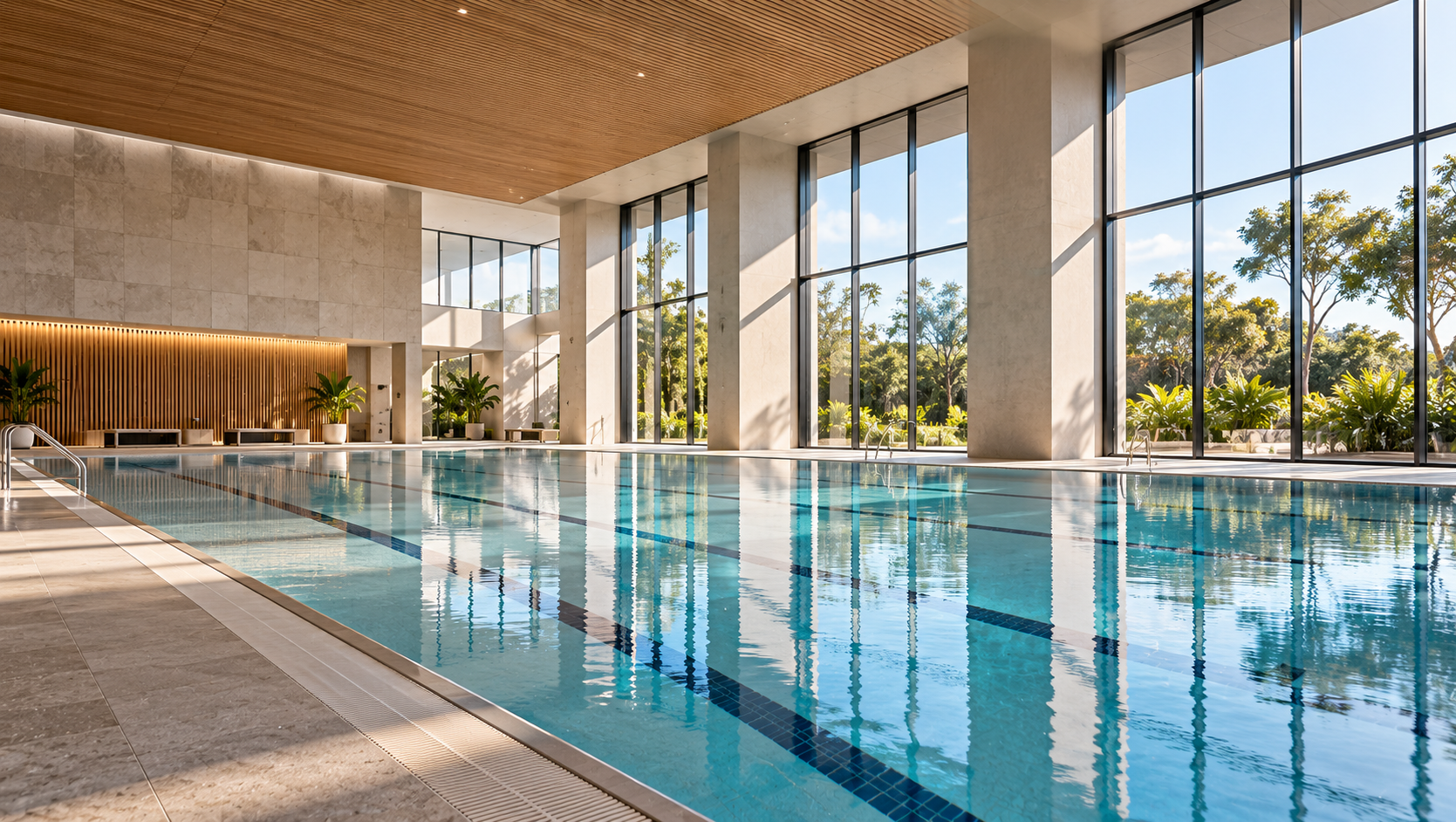
Buildings with elevated internal humidity can experience moisture conditions that differ substantially from those found in conventional residential and commercial spaces. Indoor swimming pools, aquatic centres, hydrotherapy facilities and other specialised environments may maintain higher water vapour levels for extended periods.
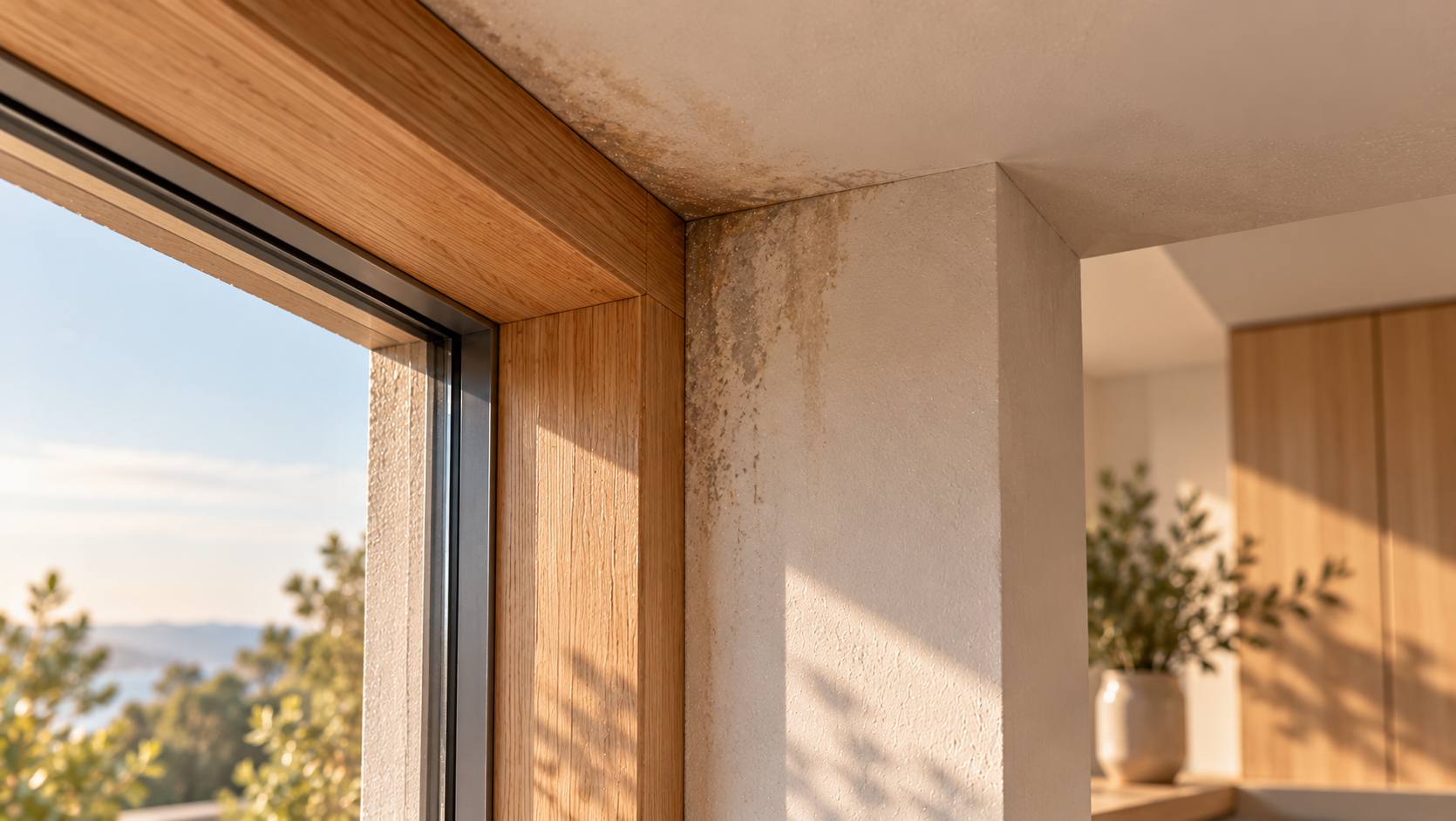
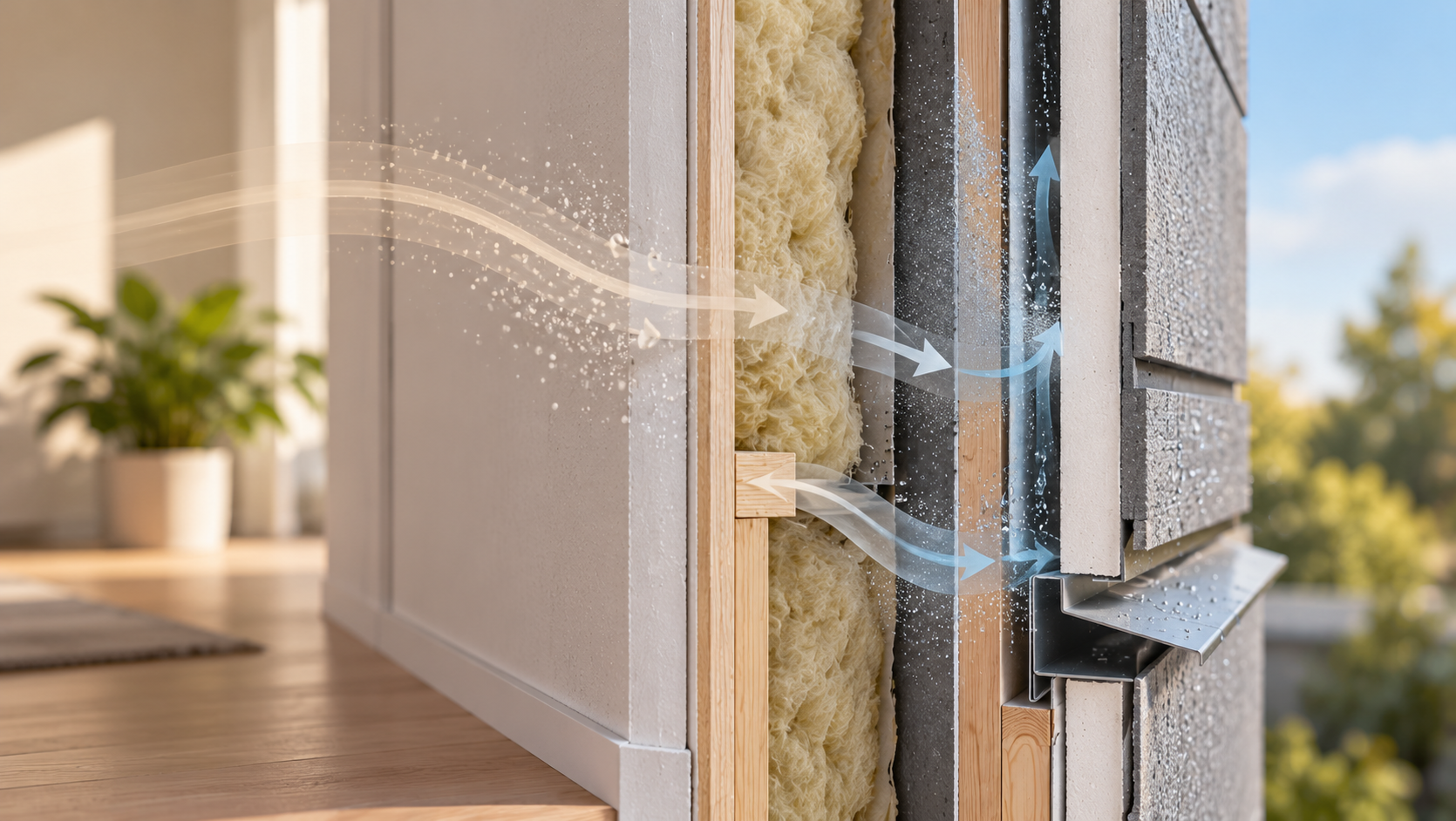
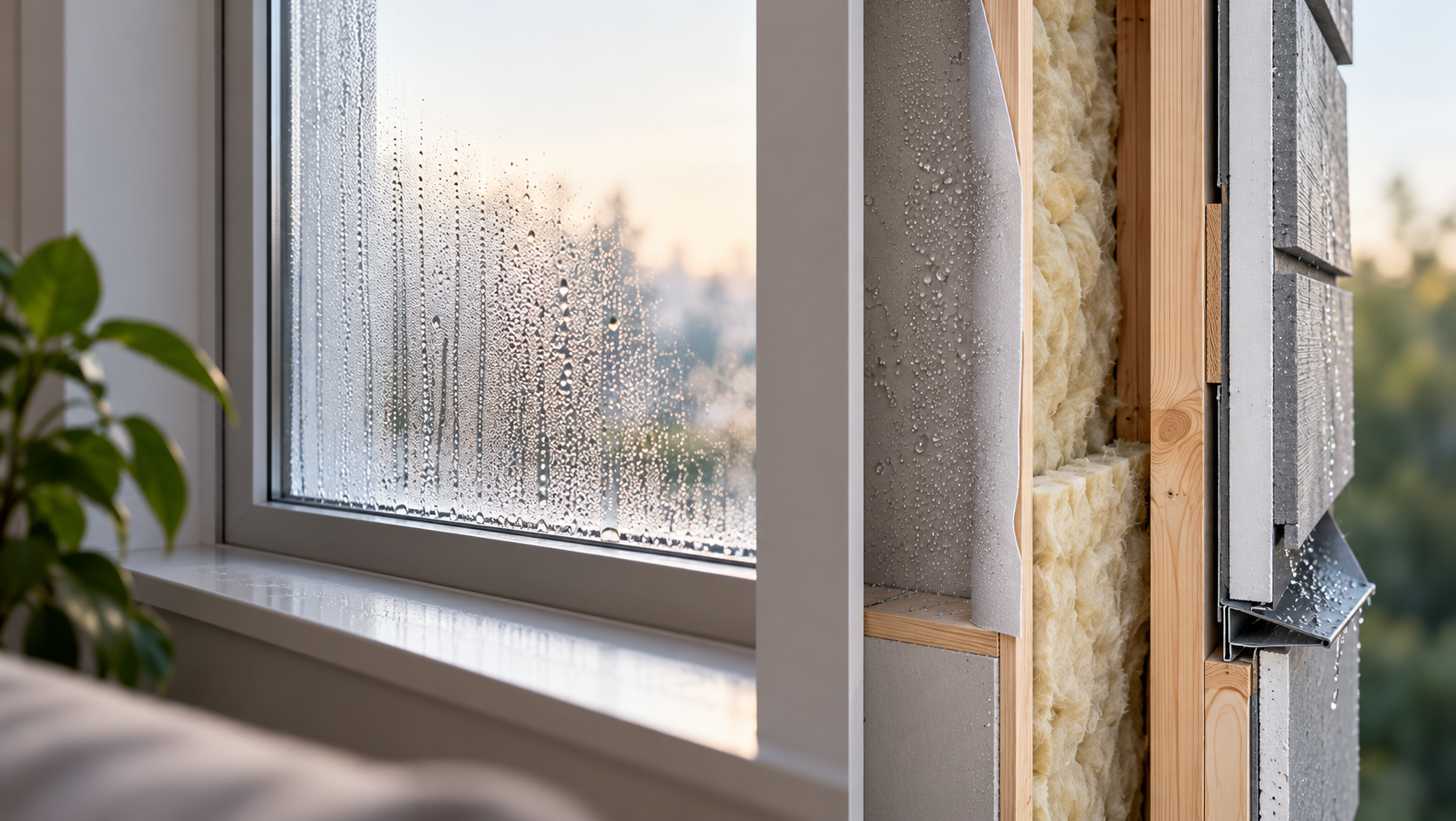
These conditions can influence how moisture interacts with walls, roofs, glazing and concealed building envelope interfaces. Where humid indoor air encounters sufficiently cool surfaces, condensation may develop. Elevated relative humidity within construction layers may also become relevant even when liquid water is not visible.
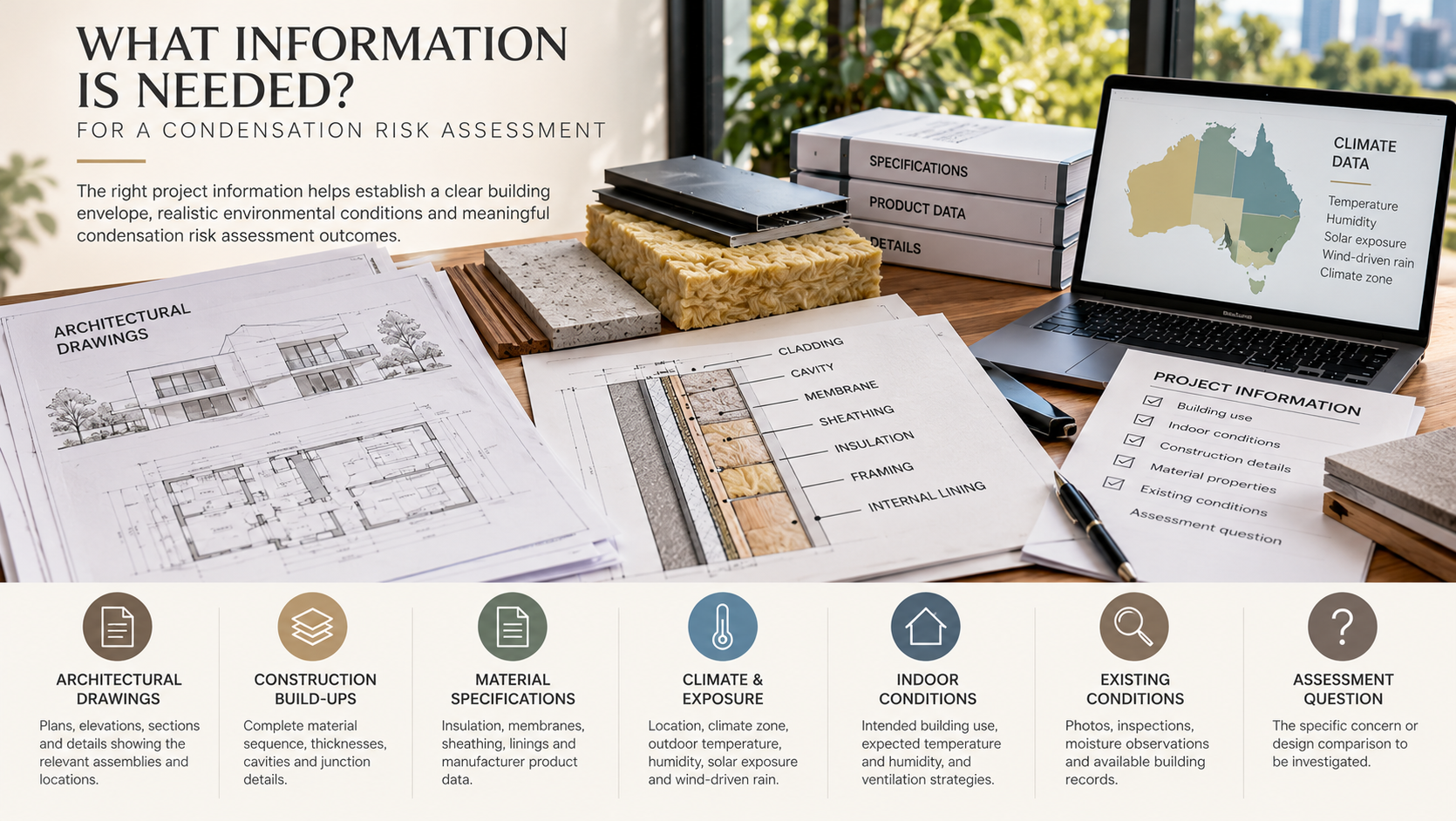
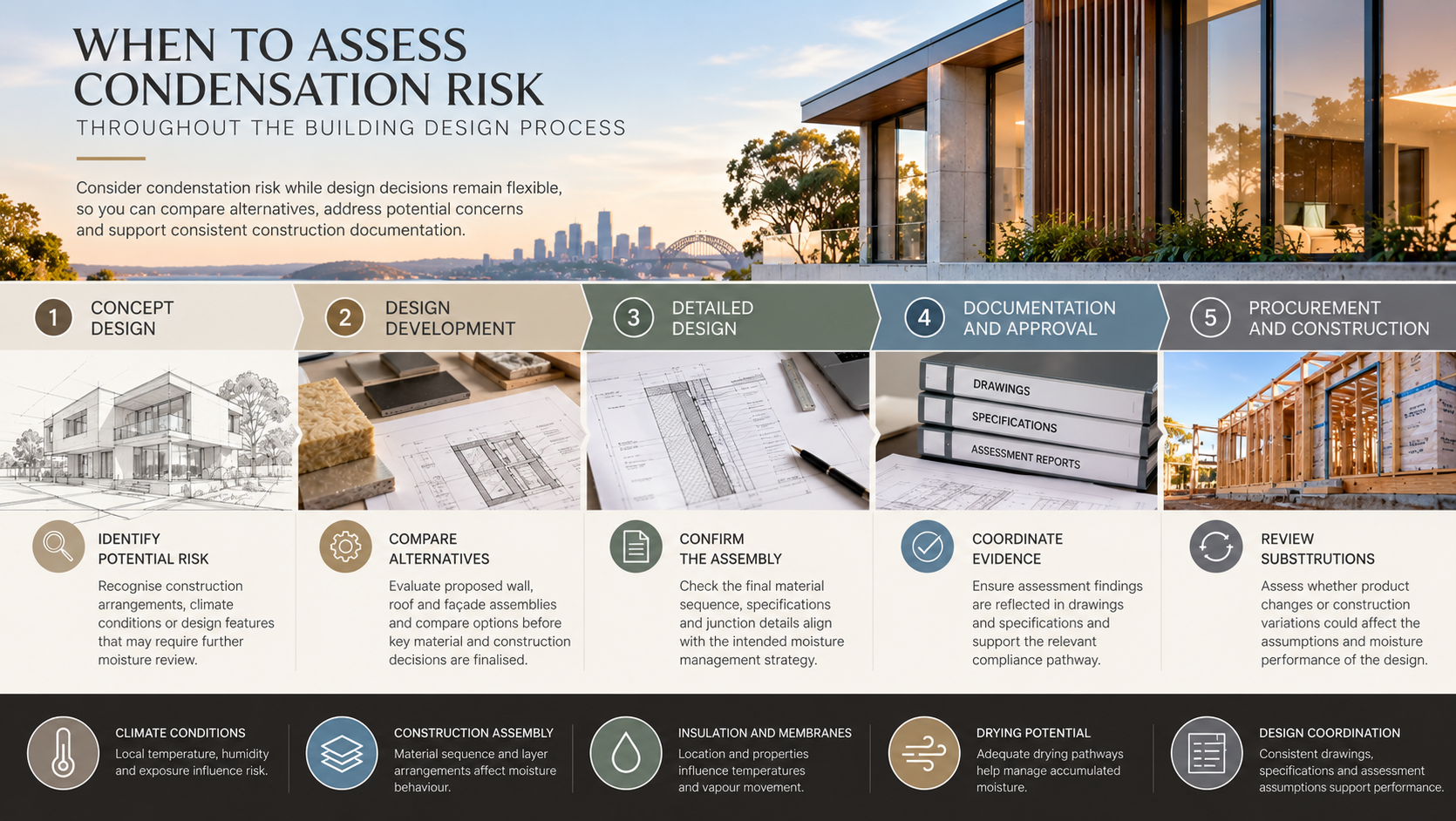
Managing condensation risk in high-humidity buildings requires an understanding of the intended indoor environment, the external climate and the moisture behaviour of the complete building envelope.
In high-humidity buildings, the internal environment is a central part of building envelope moisture performance.