


3 min read

How Suntuitive is Improving Glazing Technology

By Deniro Stocks on Jun 21, 2019 9:48:22 AM

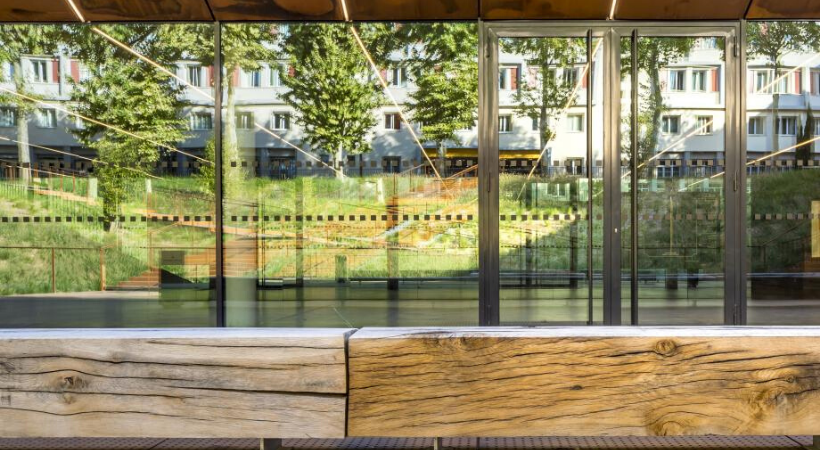
Suntuitive brings the future to life with smart, self-tinted window glazing. When installed to residential or commercial buildings this technology provides improved climate control and greatly enhanced energy efficiency for both single and double glazed window systems. Other benefits of this thermocromic dynamic glass technology are noise reduction and glare moderation resulting in more expansive views.
Topics: NatHERS Thermal Comfort Energy Insulation Windows Solar Climate Materials Cooling Residential Commercial
3 min read

Is retrofitting the future of renovations?

By Deniro Stocks on Aug 15, 2018 2:38:55 PM

In its simplest explanation, retrofitting refers to the addition of new features and technology to older houses or buildings. Examples of retrofitting strategies include:

Topics: Sustainability NABERS Commercial
20 min read

NCC Section J Changes: What Changed in 2019, 2022 and 2025?

By Team CE on Apr 5, 2018 4:00:00 PM

Section J has changed substantially across recent editions of the National Construction Code.

NCC 2019 delivered a major uplift in commercial building energy efficiency. NCC 2022 reorganised the framework and introduced new requirements for energy monitoring and future distributed-energy infrastructure. NCC 2025 moves further towards lower operational energy use through stronger commercial building requirements, including on-site solar photovoltaic systems for relevant buildings.

These editions should not be treated as interchangeable.

A Section J assessment prepared under NCC 2019 may use different clause references, calculation methods and minimum requirements from an assessment prepared under NCC 2022 or NCC 2025. The applicable edition may also depend on the project location, approval date, transitional arrangements and jurisdictional variations.

This guide explains the broad direction of change and what it may mean for architects, builders, developers and commercial project teams.

Topics: Section J Changes Commercial
3 min read

Social Sustainability and the Public Realm: Designing for the Community

By Maud Dassen on Mar 28, 2017 4:50:15 PM

With the industry reaching new material heights, creating products which are physically beneficial to the environment, rating tools are now taking the next step towards aiming for totally sustainable and healthy development. Rating tools are now attempting to assess another crucial aspect of the ESD world, that being the social sustainability of buildings. Different from the pragmatic physical aspects of creating an environmentally sustainable development, rating tools such as Greenstar assess the social and psychological impact of buildings and how through considered design the health and wellbeing of the occupant can be taken into consideration.

Topics: Design ESD Sustainability Green Star Rating Commercial
1 min read

Energy Efficiency Industry: History

By Maud Dassen on Apr 28, 2016 12:34:47 PM

In response to growing concerns around greenhouse emissions, the Australian Government introduced a coordinated national approach in July 2000.

This approach focused on two key directions.

First, mandatory minimum energy performance requirements were implemented through the Building Code of Australia (BCA), ensuring all new buildings meet a baseline standard.

Second, the industry was encouraged to adopt voluntary best practice initiatives, allowing for innovation and higher performance outcomes beyond compliance.

These measures were supported by theNational Framework for Energy Efficiency(NFEE), a national agreement between Australian governments aimed at improving energy efficiency across the country. The objective was clear: unlock economic value through smarter energy use, while delivering cost-effective outcomes.

To support this transition, working groups were formed across government, industry, and community sectors. Their role was to contribute to the development of the BCA Energy Efficiency Provisions.

Recognising the impact of buildings on national emissions, theAustralian Building Codes Board(ABCB) and theAustralian Greenhouse Officeformalised their collaboration through a Memorandum of Understanding.

This led to the development of the Energy Efficiency Provisions now known asSection J of the National Construction Code (NCC)— applying to both commercial and residential buildings across Australia.


To read more about Section J, click here

Topics: ESD Section J Architecture NCC Accreditations Commercial