

16 min read

BASIX for New Homes vs Alterations and Additions NSW

By Deniro Stocks on Apr 28, 2020 11:09:14 AM


A BASIX assessment for a new home is not approached in exactly the same way as an assessment for an alteration, extension or second-storey addition. Both project types may need to demonstrate residential water, energy and thermal performance, but the starting point and assessment boundary can be different.

A new home can generally be assessed as one complete proposed dwelling. An alteration or addition begins with an existing building and requires the plans and assessment to distinguish between what is retained, removed, changed and newly constructed.

Understanding that distinction early helps architects, designers, builders and homeowners prepare the right information and avoid conflicting assumptions between the BASIX Certificate and the approval drawings. For a broader overview of the framework, see What Is BASIX? →

Topics: BASIX Alterations & Additions Residential Compliance
15 min read

Do Relocatable Homes Need BASIX in NSW? | Certified Energy

By Maud Dassen on Apr 26, 2020 12:45:51 AM

Do Relocatable and Transportable Homes Need BASIX in NSW?

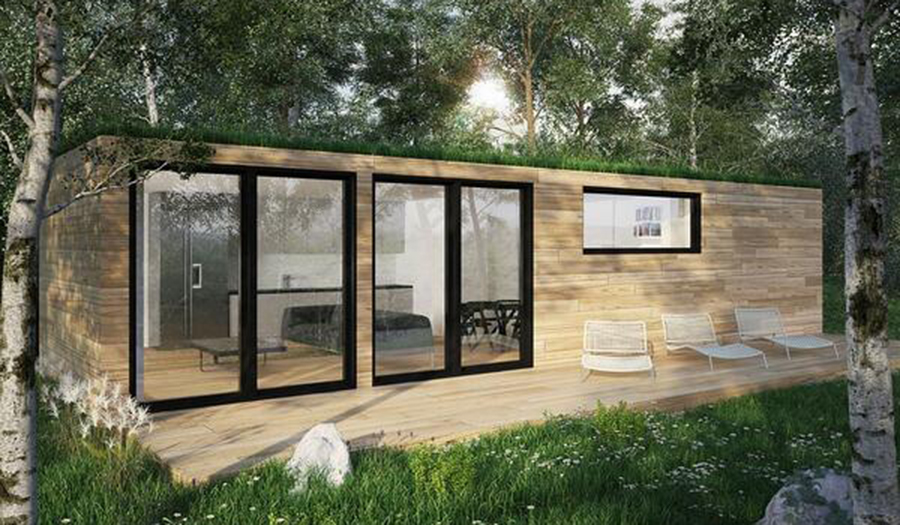
Whether a transportable, prefabricated or modular home needs a BASIX Certificate in New South Wales depends on how the dwelling is legally classified and how it will be installed—not simply on the name used by the supplier.

Under current NSW planning guidance, a dwelling that qualifies as a relocatable home is treated differently from a flat-pack kit home erected as a building. A relocatable home generally does not require a BASIX Certificate, while a flat-pack dwelling requiring a development application or complying development certificate generally does.

The approval pathway still needs to be confirmed with the relevant council or certifier before documentation is prepared. A project can require council approval even where BASIX does not apply.


Topics: BASIX Residential Compliance
4 min read

How the DA process works in NSW | From Pre-DA to Finish

By Maud Dassen on Apr 25, 2020 11:51:30 AM

Prior to commencing most types of developments in NSW, you will have to lodge a Development Application (DA) with your local council. 

Topics: BASIX NatHERS Sustainability Residential
2 min read

Promoting Sustainability in Indigenous Communities

By Chloe Huang on Nov 8, 2019 10:00:00 AM

The $500 million Indigenous Infrastructure Investment Fund (IIIF) allocated to both Aboriginal and Torres Strait Islander groups can be used not only to increase their economic participation, but also promote sustainability in critical resources they have no or limited access to. In this article, we will dig deep into how the funding can be used to promote sustainability in Indigenous communities.

Topics: ESD BASIX NatHERS Sustainability Construction Energy Efficiency Residential Commercial
2 min read

Building Ethics - Why We Need Them

By Deniro Stocks on Oct 24, 2019 11:00:00 AM

Earlier this year a structural engineer in Darwin was caught out on building design as it deemed to be considered non-compliant with the National Construction Code. The engineer was rightfully suspended of his engineering registration by the Northern Territory's Department of Infrastructure, Planning and Logistics (DPIL).

Topics: Insider ESD BASIX NatHERS Accreditations Energy Efficiency Opinion Commercial
2 min read

The Evolution of Environmentally Friendly Windows

By Chloe Huang on Oct 11, 2019 3:00:00 PM

Windows have developed over time from single glazing, double glazing, and more recently self-tinting (Suntuitive) glazed windows. The improvement of glass window technology since the 17th century when glass windows started has resulted in improvements around energy consumption, noise reduction, and installation costs.
Topics: BASIX NatHERS Energy Efficiency Windows Thermal Performance Suntuitive Residential
2 min read

Five Ways of Designing a Water Efficient Home

By Deniro Stocks on Oct 1, 2019 11:00:00 AM

With New South Wales currently going through a drought, now is the best time to find out ways of increasing water efficiency for your next residential project. This helps in working towards a BASIX certificate, here are five ways that you can design a water efficient home:

Topics: BASIX Energy Energy Efficiency Materials
9 min read

Is Double Glazing Worth It?

By Chloe Huang on Sep 27, 2018 12:02:11 PM

The Problem with Windows. 

Windows can have a drastic effect on the thermal performance of a building. Up to 40% of a home’s heat can be lost through conduction or radiation at the window, and up to 87% of its heat can enter through solar gain. This unwanted heat flow can be devastating for the energy efficiency of any project.

Topics: Glazing BASIX NatHERS Sustainability Energy Efficiency Thermal Performance Insulated Glass Units Solar
8 min read

Do Green Roofs Help with BASIX in NSW? | Certified Energy

By Team CE on Nov 4, 2016 4:24:06 PM

Do Green Roofs Help with BASIX in NSW?

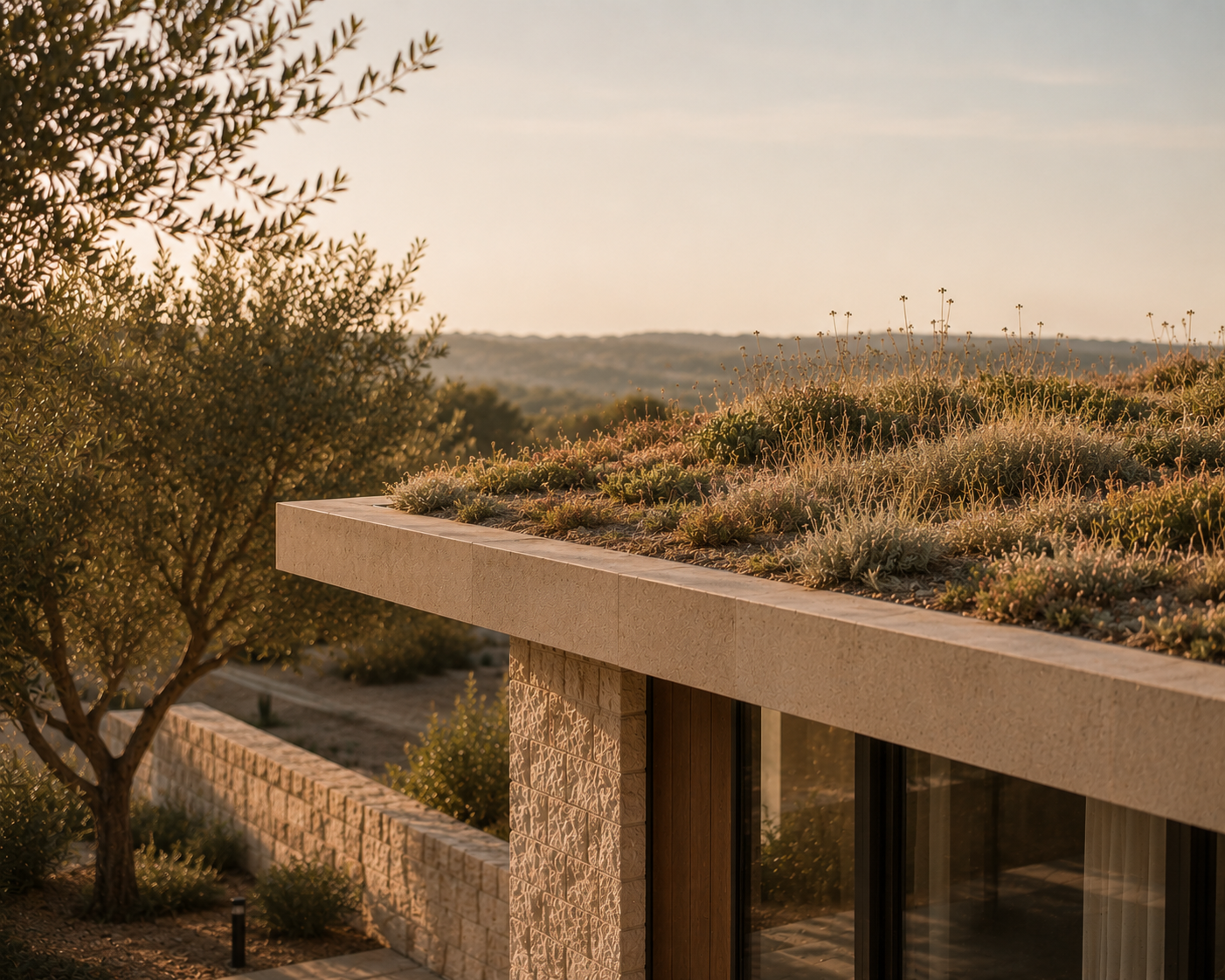
Green roofs are increasingly considered in sustainable residential and mixed-use developments across New South Wales. They can provide valuable environmental and design benefits, but their relationship with a BASIX assessment is often misunderstood.

A green roof does not automatically earn a BASIX credit or replace the roof, insulation, glazing and building-services commitments needed to satisfy the assessment. Its influence depends on which parts of the system can be represented through the applicable BASIX and thermal performance methodology.

Topics: BASIX Emerging Materials Residential Compliance
16 min read

AAC in BASIX and NatHERS: Wall Performance | Certified Energy

By Team CE on Oct 28, 2016 4:20:15 PM

Does AAC Improve BASIX and NatHERS Performance?

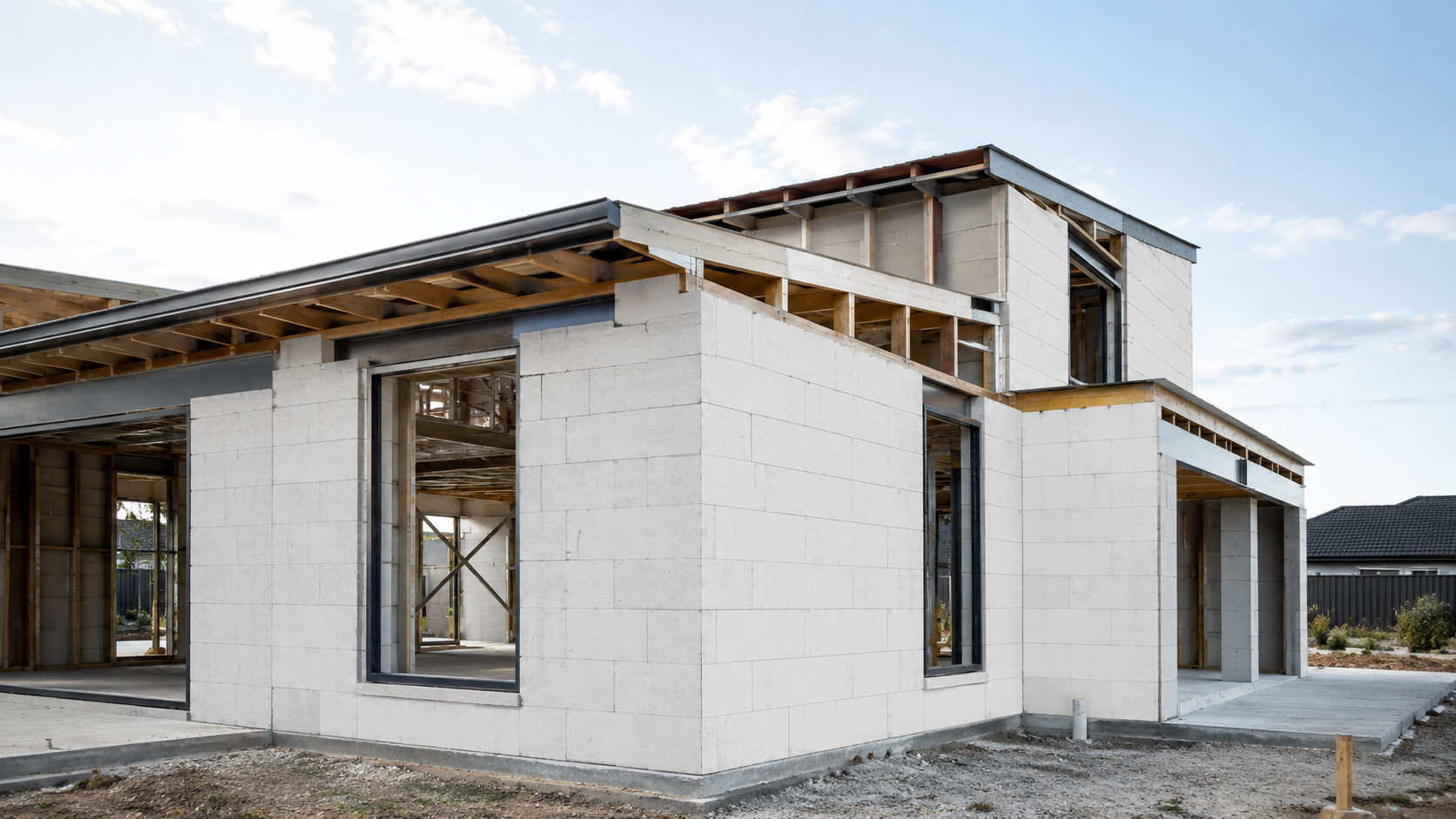
Autoclaved Aerated Concrete, commonly known as AAC, is widely used in Australian residential construction as wall panels, blocks and lightweight masonry cladding systems. Its air-filled structure can provide useful thermal resistance while remaining substantially lighter than conventional concrete.

AAC can form part of a well-performing BASIX and NatHERS design, but the material does not automatically produce a higher energy rating. The result depends on the complete wall construction, including the AAC thickness, frame type, insulation, cavities, internal lining, external finish and any thermal bridging through the assembly.

Topics: BASIX Emerging Materials Residential Compliance