2 min read

Not in my backyard!

By Maud Dassen on Apr 11, 2017 9:40:38 AM

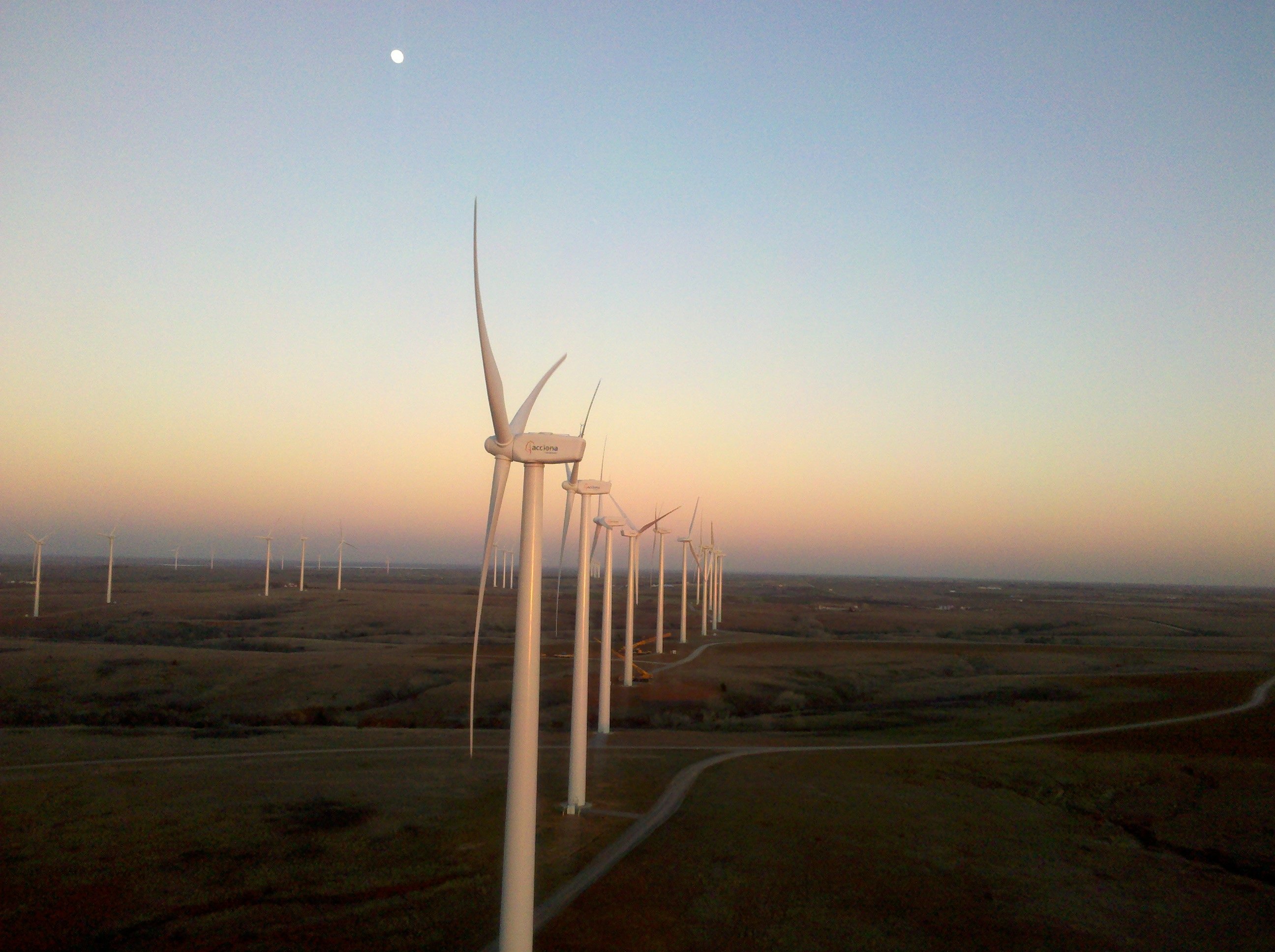
Advent of wind power as alternative energy source

The Vortex wind generator represents a radical change within the alternative energy market and conventional wind turbine design. This generator has no spinning blades (or any major moving parts at all), and appears to be a large cylindrical structure which oscillates in the wind producing energy. Instead of spinning like conventional wind turbines, its uses the principle of vorticity, which is the spinning and repeating motion of air and other fluids.

Topics: ESD Architecture Sustainability
3 min read

Environmentally Responsible and Interactive Design

By Maud Dassen on Mar 1, 2017 10:03:54 AM

Designing For Others

Architectural Interventions Improving the Environment and Biodiversity

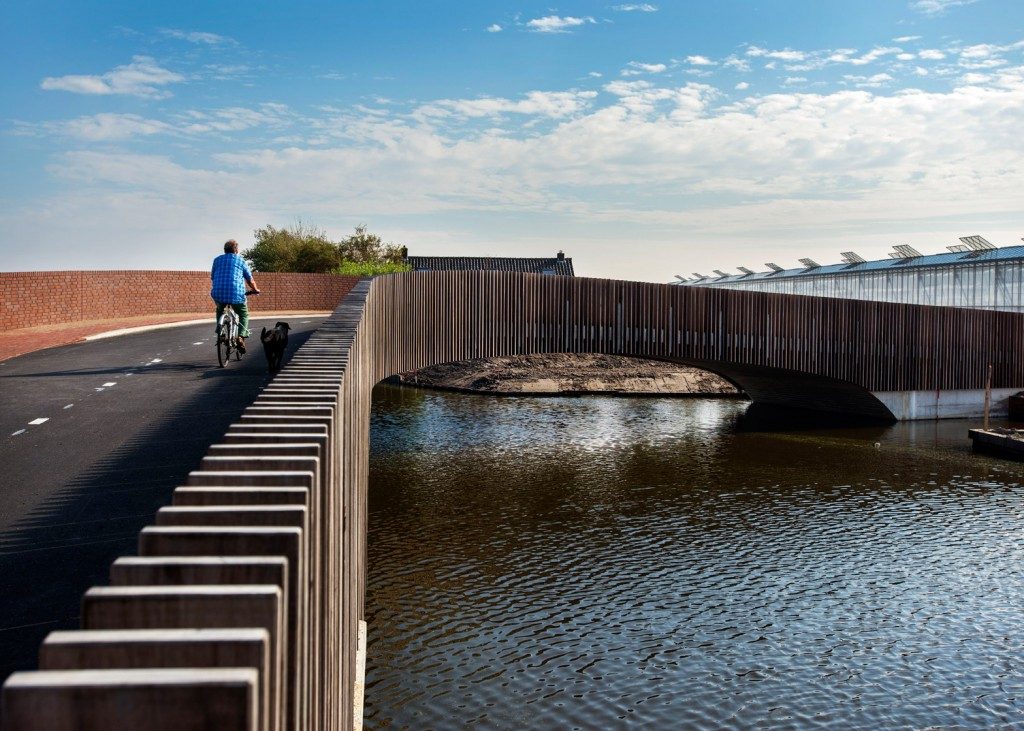
The effect of urbanisation and urban development on the natural world has been extremely harmful. The built environment’s impact on disrupting migration patterns, habitat destruction and the general effect on the decline of biodiversity has been extremely detrimental. Therefore, through the introduction of various architectural interventions within the city, habitats can be recreated and animal colonies can be somewhat re-established improving the overall quality of our environment and promoting biodiversity which is essential to the health of the ecosystem.

Topics: ESD Architecture Sustainability
1 min read

6 Star Rating: What Is It And Why Do I Need One?

By Team CE on Jun 30, 2016 9:24:41 AM

What is a 6 Star Rating?

The National Construction Code (NCC formally known as the BCA) requires all new residential dwellings in Australia (Except NSW)* to achieve a minimum of a 6 Star Rating using the Nationwide House Energy Rating Scheme (NatHERS), approved software.

Topics: ESD Architecture NatHERS Star Rating Accreditations Energy Efficiency Residential
1 min read

Energy Efficiency Industry: History

By Maud Dassen on Apr 28, 2016 12:34:47 PM

In response to growing concerns around greenhouse emissions, the Australian Government introduced a coordinated national approach in July 2000.

This approach focused on two key directions.

First, mandatory minimum energy performance requirements were implemented through the Building Code of Australia (BCA), ensuring all new buildings meet a baseline standard.

Second, the industry was encouraged to adopt voluntary best practice initiatives, allowing for innovation and higher performance outcomes beyond compliance.

These measures were supported by theNational Framework for Energy Efficiency(NFEE), a national agreement between Australian governments aimed at improving energy efficiency across the country. The objective was clear: unlock economic value through smarter energy use, while delivering cost-effective outcomes.

To support this transition, working groups were formed across government, industry, and community sectors. Their role was to contribute to the development of the BCA Energy Efficiency Provisions.

Recognising the impact of buildings on national emissions, theAustralian Building Codes Board(ABCB) and theAustralian Greenhouse Officeformalised their collaboration through a Memorandum of Understanding.

This led to the development of the Energy Efficiency Provisions now known asSection J of the National Construction Code (NCC)— applying to both commercial and residential buildings across Australia.


To read more about Section J, click here

Topics: ESD Section J Architecture NCC Accreditations Commercial