


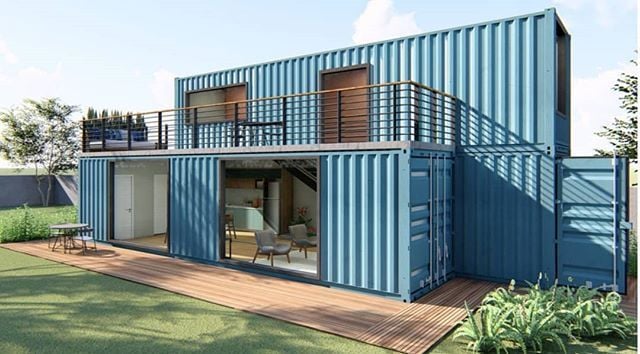
A large proportion of Australian architects have followed suit with their English counterparts developing Declare Australia in an attempt to promote a self-sustaining and constantly regenerating environment for future generations. But, what impacts will this have for property developers and builders going forward?
2 min read
How the Australian Architects Climate Emergency will Affect Builders
Topics: Architecture Construction Energy Efficiency Climate Opinion Residential
6 min read
FIFA’s Impact on Building Sustainable Stadiums

Figure 1shows FIFA World Cup trophy and official football (1)
Topics: ESD Architecture Sustainability Construction Structure Energy Energy Efficiency
4 min read
Green Architecture: How much is too much?
Environmentally Responsive Design and Green Architecture
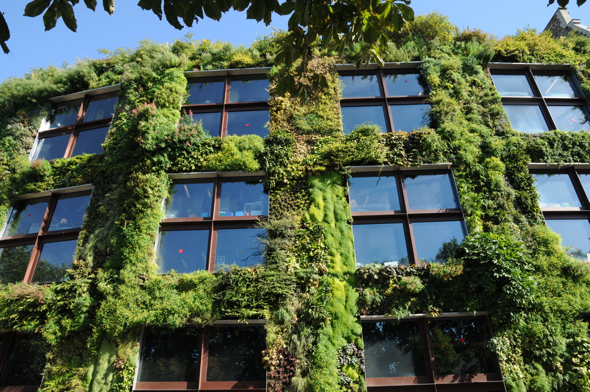
Sustainability and environmental performance goals are presently major contributing factors to design choices. Each new building attempts to take one step further in being even more environmentally conscious than the last. Although this process is extremely beneficial to the environment and surrounding ecosystem, where is this race to create a totally “Green building” heading? Structures are now emerging that look more like nature than building, with towering green walls and sprawling roof gardens disguising any distinguishable architectural element. This raises the question, are we going over board? Surely sustainable design does not mean a building which is literally green.
Topics: Design ESD Sustainability Construction
3 min read
Green Roofs and BASIX in NSW | Sustainable Roof Design
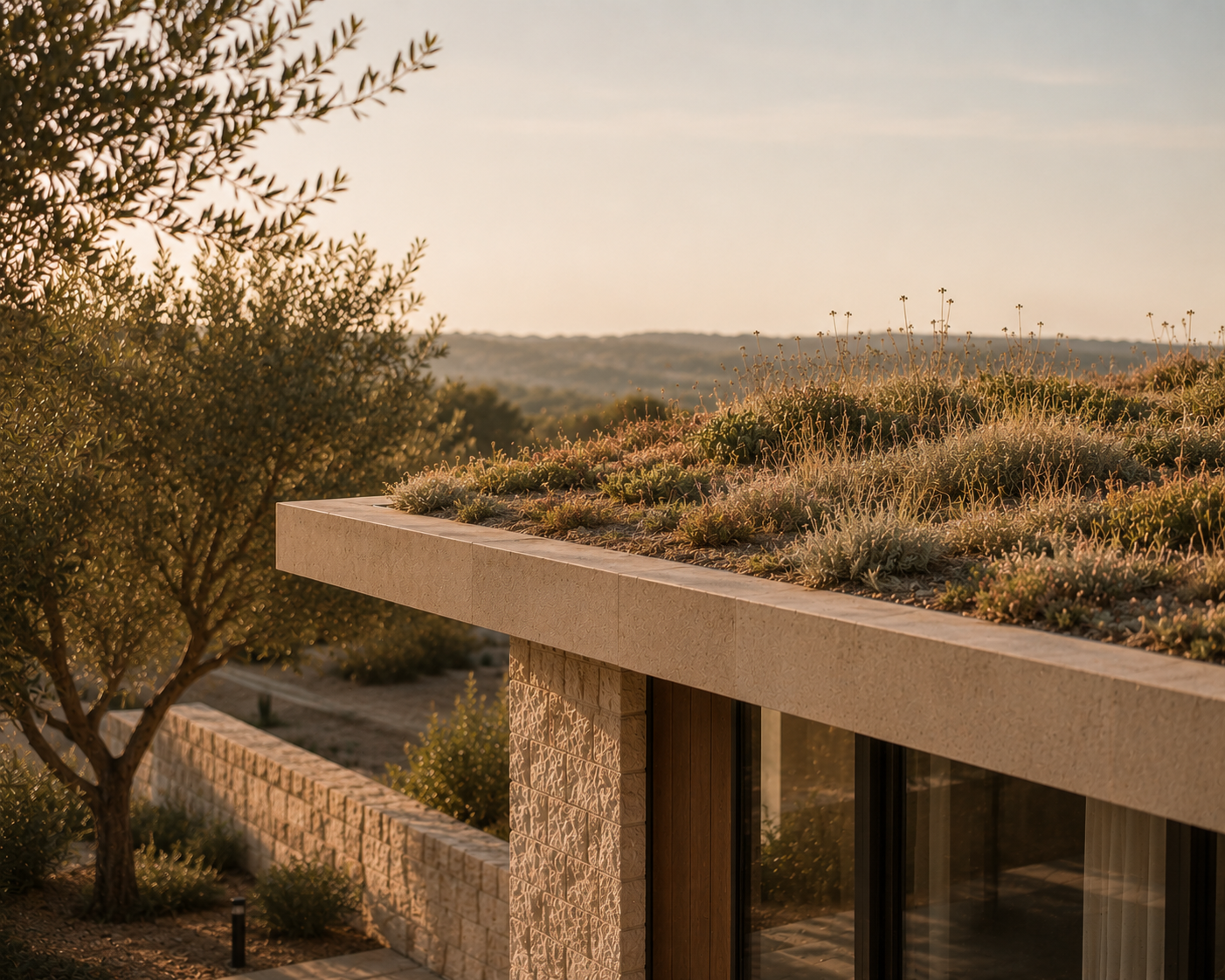
Green roofs are becoming increasingly common within sustainable residential and mixed-use developments across New South Wales.
Topics: BASIX Emerging Materials Accreditations Construction Residential
2 min read
Materials and BASIX: Autoclaved Aerated Concrete (AAC)
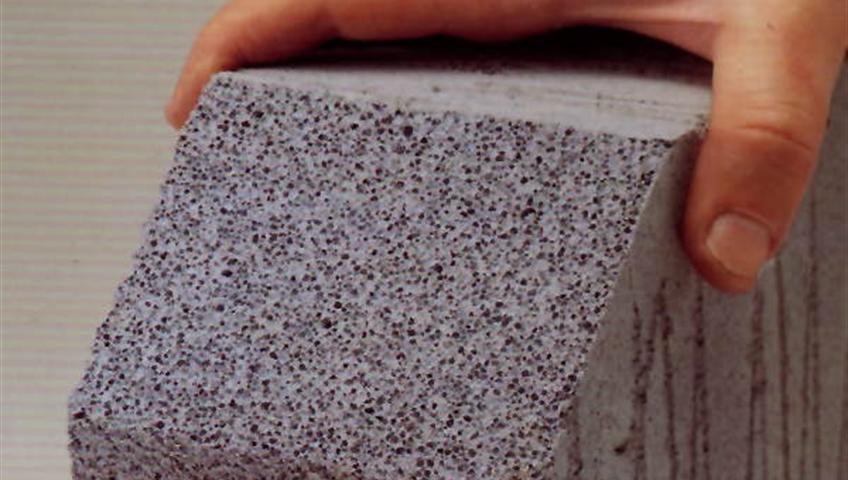
Autoclaved Aerated Concrete (AAC)
Being conscious about the amount of raw materials used in building products is a key concept when trying to design efficiently, aiming to reduce the overall embodied energy of materials. Autoclaved Aerated Concrete or as it is more commonly known AAC, is an example of a building material that aims to reduce the overall raw material requirements whilst maintaining as many of the original product's structural and functional properties. This is achieved by creating air pockets within the concrete (aeration). These pockets of air have many benefits besides just reducing the amount of materials required to manufacture it.
Topics: Design BASIX Emerging Materials NatHERS Accreditations Construction
5 min read
Passive Cooling: Ventilation and Vegetation

One of the most influential factors to consider when studying ecologically sustainable development, is the advantageous affect that passive cooling and heating can have on the efficiency of a home. This involves the careful selection of materials appropriate to the climate in which the building is situated, the thorough consideration of the orientation of the building to allow adequate ventilation and appropriate solar heat gain and various other factors. By considering all of these aspects the efficiency of the building can increase dramatically, whilst also drastically decreasing the cost of heating and cooling the building.
Topics: ESD BASIX Sustainability Accreditations Construction Residential
1 min read
Section J: Method of Compliance (Deemed to Satisfy)

The Evidence of Suitability method using the Deemed to Satisfy Provisions of Part J of the Energy Efficiency section of the NCC Volume 1 (formally the BCA) have been chosen as the most appropriate method to assess the compliance of the proposed development.
