


BASIX for Alterations and Additions in NSW
4 min read
BASIX for Alterations and Additions NSW | BASIX Renovation Requirements
Topics: BASIX Accreditations Energy Efficiency Residential
4 min read
Eaves and thermal comfort
Building for the Australian Climate.
A building’s access to sunlight is one of the leading factors contributing to its thermal comfort, with the amount of direct sunlight that the building receives greatly influencing the passive heating and cooling factors. However, as the sun’s path varies seasonally, accounting for the required direct sunlight a building needs becomes difficult. The eaves of building construction can maintain great benefits if used correctly.
Topics: ESD BASIX NatHERS Accreditations Construction Energy Efficiency Residential
2 min read
What you need to know about the National Construction Code Calculator
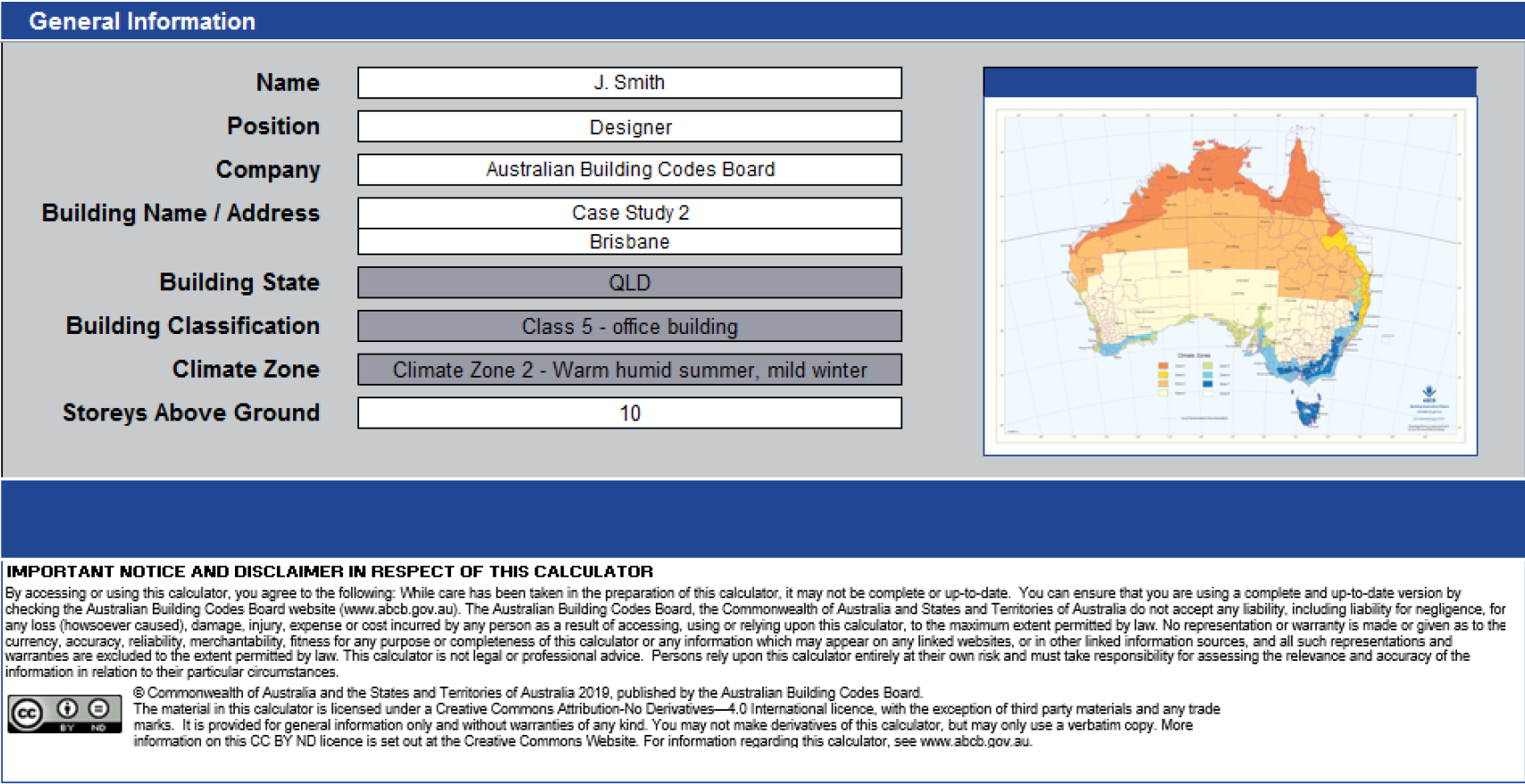
The National Construction Code (NCC) 2019 has brought in a raft of changes including a facade calculator which will assist in providing compliance for wall and glazing provisions. This will make the process for JV3 reports amongst other certifications to continue to reduce the carbon footprint for future building plans.
Topics: NCC Sustainability Accreditations JV3 Climate Commercial
2 min read
Building Ethics - Why We Need Them

Earlier this year a structural engineer in Darwin was caught out on building design as it deemed to be considered non-compliant with the National Construction Code. The engineer was rightfully suspended of his engineering registration by the Northern Territory's Department of Infrastructure, Planning and Logistics (DPIL).
Topics: Insider ESD BASIX NatHERS Accreditations Energy Efficiency Opinion Commercial
4 min read
U and R Values & Energy Rating: What do they mean?

In the field of ESD, two terms which constantly appear are the U and R values of products, but what do these mean? Whether referring to insulation or glazing each product on the market has a specific either U or R value. These values refer to the thermal performance of specific products and materials and how they assist in maintaining thermal control in a building or structure. These values are an integral part of the BASIX, NatHERS and Section J process in the NCC, which require specific values to be either entered into the glazing calculator for Section J reports or specific glazing types with predetermined U and SHGC values for BASIX and NatHERS along with specific R values for insulation and building materiality.
Topics: ESD Section J BASIX NatHERS Star Rating Accreditations
4 min read
Star Rating: How to Increase Your Star Rating for Free

The NCC sets a minimum acceptable thermal performance for residential dwellings by specifying a minimum 6 star rating for all new projects in Australia with the exception of NSW who are under the BASIX programme.
Topics: Design BASIX NatHERS Star Rating Accreditations
2 min read
DA Documentation: How to Avoid Drawing Lighting Plans at DA Stage

NSW BASIX Regulation Update for Architects:
Topics: Design NatHERS Accreditations Thermal Performance Residential
1 min read
Energy Efficiency Industry: History

In response to growing concerns around greenhouse emissions, the Australian Government introduced a coordinated national approach in July 2000.
This approach focused on two key directions.
First, mandatory minimum energy performance requirements were implemented through the Building Code of Australia (BCA), ensuring all new buildings meet a baseline standard.
Second, the industry was encouraged to adopt voluntary best practice initiatives, allowing for innovation and higher performance outcomes beyond compliance.
These measures were supported by theNational Framework for Energy Efficiency(NFEE), a national agreement between Australian governments aimed at improving energy efficiency across the country. The objective was clear: unlock economic value through smarter energy use, while delivering cost-effective outcomes.
To support this transition, working groups were formed across government, industry, and community sectors. Their role was to contribute to the development of the BCA Energy Efficiency Provisions.
Recognising the impact of buildings on national emissions, theAustralian Building Codes Board(ABCB) and theAustralian Greenhouse Officeformalised their collaboration through a Memorandum of Understanding.
This led to the development of the Energy Efficiency Provisions now known asSection J of the National Construction Code (NCC)— applying to both commercial and residential buildings across Australia.
